• Fri frakt över 249 kr
  • •
  • Snabba leveranser
  • •
  • Billiga böcker
Kundservice

Du är på sajten för privatpersoner.

Företag, bibliotek eller offentlig verksamhet?

Du handlar på classic.bokus.com, där alla dina funktioner finns intakta.
Till classic.bokus.com
Bokus logotyp. Gå till startsidan.
  • Erbjudanden
  • Nyheter
  • Student
  • Topplistor
  • Barn & ungdom
  • Bokus Play
  • E-böcker
  • Pocketböcker
  • Spel & pussel

10% rabatt på allt med kod NYSTART10 →

Sidfot

Mina sidor

    Hjälp

    • Kundservice
    • Vanliga frågor och svar
    • Frakt och leverans
    • Retur vid ångerrätt
    • Reklamera vara
    • Betalning
    • Köpvillkor
    • Allmänna villkor
    • Information om webbplatsens tillgänglighet

    Om Bokus

    • Om oss
    • Pressrum
    • För studenter
    • För företag
    • För bibliotek och offentlig verksamhet
    • För leverantörer
    • Hållbarhet

    Populärt

    • Aktuella erbjudanden
    • Presentkort
    • Studentlitteratur
    • Nya böcker
    • Topplistor
    • Signerade böcker
    • Engelska böcker

    Inspiration

    • Boktips
    • BookTok
    • Populära bokserier
    • Barnbokskaraktärer
    • Populära författare
    Logotyp för Bokus
    Följ oss på Facebook (extern länk)Följ oss på Instagram (extern länk)Följ oss på YouTube (extern länk)Följ oss på TikTok (extern länk)
    bokus @ CookiesAnpassa cookiesIntegritetspolicyKöpvillkor
    Till Citymail hemsida (extern länk)Till Budbee hemsida (extern länk)Till Postnord hemsida (extern länk)Till Schenker hemsida (extern länk)Till Early Bird hemsida (extern länk)Till Walleys hemsida (extern länk)
    1. Samhälle och politik
    2. Samhälle och kultur
    3. Sociala grupper och identitet
    4. Genusvetenskap

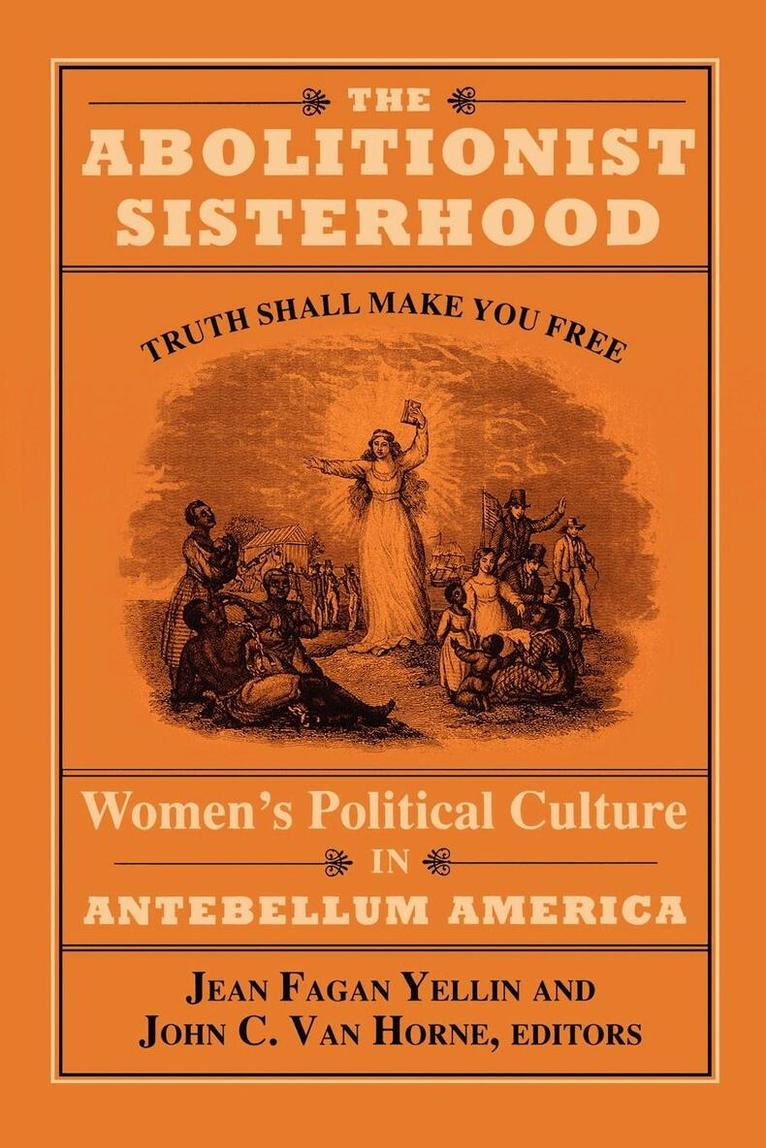
    Abolitionist Sisterhood

    Women's Political Culture in Antebellum America

    AvJean Fagan Yellin,John C. Van Horne

    Inbunden, Engelska, 1994

    1 667 kr

    Beställningsvara. Skickas inom 10-15 vardagar. Fri frakt över 249 kr.

    Beskrivning

    A small group of black and white American women who banded together in the 1830s and 1840s to remedy the evils of slavery and racism, the "antislavery females" included many who ultimately struggled for equal rights for women as well. Organizing fundraising fairs, writing pamphlets and giftbooks, circulating petitions, even speaking before "promiscuous" audiences including men and women—the antislavery women energetically created a diverse and dynamic political culture. A lively exploration of this nineteenth-century reform movement, The Abolitionist Sisterhood includes chapters on the principal female antislavery societies, discussions of black women's political culture in the antebellum North, articles on the strategies and tactics the antislavery women devised, a pictorial essay presenting rare graphics from both sides of abolitionist debates, and a final chapter comparing the experiences of the American and British women who attended the 1840 World Anti-Slavery Convention in London.

    Produktinformation

    • Utgivningsdatum:1994-06-21
    • Mått:155 x 235 x 28 mm
    • Vikt:907 g
    • Format:Inbunden
    • Språk:Engelska
    • Antal sidor:368
    • Förlag:Cornell University Press
    • ISBN:9780801427282

    Utforska kategorier

    • Genusvetenskap inom Samhälle och politik
    • Amerikas historia inom Historia och arkeologi
    • Slaveri inom Historia och arkeologi

    Mer om författaren

    Jean Fagan Yellin is Distinguished Professor of English at Pace University. Her previous books include Women and Sisters: The Antislavery Feminists in American Culture. John C. Van Horne is Librarian of The Library Company of Philadelphia. He is the editor of The Papers of Benjamin Henry Latrobe.

    Recensioner i media

    The overall aim of showing the impact, complexity and dynamic quality of female anti-slavery work is amply realized.(Slavery and Abolition) This fine collection of essays explores the initial development of American women's political culture through the antislavery movement led by women reformers from the Northeast in the late 1830s.(Journal of American History)