• Fri frakt över 249 kr
  • •
  • Snabba leveranser
  • •
  • Billiga böcker
Kundservice

Du är på sajten för privatpersoner.

Företag, bibliotek eller offentlig verksamhet?

Du handlar på classic.bokus.com, där alla dina funktioner finns intakta.
Till classic.bokus.com
Bokus logotyp. Gå till startsidan.
  • Erbjudanden
  • Nyheter
  • Student
  • Topplistor
  • Barn & ungdom
  • Bokus Play
  • E-böcker
  • Pocketböcker
  • Spel & pussel

10% rabatt på allt med kod NYSTART10 →

Sidfot

Mina sidor

    Hjälp

    • Kundservice
    • Vanliga frågor och svar
    • Frakt och leverans
    • Retur vid ångerrätt
    • Reklamera vara
    • Betalning
    • Köpvillkor
    • Allmänna villkor
    • Information om webbplatsens tillgänglighet

    Om Bokus

    • Om oss
    • Pressrum
    • För studenter
    • För företag
    • För bibliotek och offentlig verksamhet
    • För leverantörer
    • Hållbarhet

    Populärt

    • Aktuella erbjudanden
    • Presentkort
    • Studentlitteratur
    • Nya böcker
    • Topplistor
    • Signerade böcker
    • Engelska böcker

    Inspiration

    • Boktips
    • BookTok
    • Populära bokserier
    • Barnbokskaraktärer
    • Populära författare
    Logotyp för Bokus
    Följ oss på Facebook (extern länk)Följ oss på Instagram (extern länk)Följ oss på YouTube (extern länk)Följ oss på TikTok (extern länk)
    bokus @ CookiesAnpassa cookiesIntegritetspolicyKöpvillkor
    Till Citymail hemsida (extern länk)Till Budbee hemsida (extern länk)Till Postnord hemsida (extern länk)Till Schenker hemsida (extern länk)Till Early Bird hemsida (extern länk)Till Walleys hemsida (extern länk)
    1. Kultur
    2. Konstböcker
    3. Konstteori

    Past Looking

    Historical Imagination and the Rhetoric of the Image

    AvMichael Ann Holly

    Häftad, Engelska, 1996

    551 kr

    Beställningsvara. Skickas inom 10-15 vardagar. Fri frakt över 249 kr.

    Fler format och utgåvor

    Inbunden

    1 666 kr

    Beskrivning

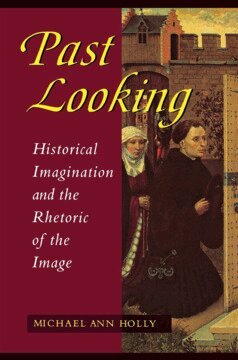
    Michael Ann Holly asserts that historical interpretation of the pictorial arts is always the intellectual product of a dynamic exchange between past and present. Recent theory emphasizes the subjectivity of the historian and the ways in which any interpretation betrays the presence of an interpreter. In Past Looking, she challenges that view, arguing that historical objects of representational art are actively engaged in prefiguring the kinds of histories that can be written about them. Holly directs her attention to early modern works of visual art and their rhetorical roles in legislating the kind of tales told bout them by a few classic cultural commentaries of the nineteenth and twentieth centuries: Burckhardt's synchronic vision of the Italian Renaissance, Wölfflin's exemplification of the Baroque, Schapiro's and Freud's dispute over the meanings of Leonardo's art, and Panofsky's exegesis of the disguised symbolism of Northern Renaissance painting.

    Produktinformation

    • Utgivningsdatum:1996-09-19
    • Mått:155 x 235 x 14 mm
    • Vikt:454 g
    • Format:Häftad
    • Språk:Engelska
    • Antal sidor:256
    • Förlag:Cornell University Press
    • ISBN:9780801483028

    Utforska kategorier

    • Konstteori inom Kultur

    Mer om författaren

    Michael Ann Holly is Director of the Research and Academic Program at the Clark Art Institute and teaches in the graduate program at Williams College. Her other books include Visual Culture: Images and Interpretations; The Subjects of Art History: Historical Objects in Contemporary Perspective; Art History, Aesthetics, and Visual Studies; and Panofsky and the Foundations of Art History, the latter also available from Cornell.

    Recensioner i media

    A strangely moving book to read.... Surely our desire to experience a kind of privileged timelessness before images—or our satisfaction with signification of any kind—has something to do with the consciousness of our own historicity; surely the challenge of art history, the challenge posed by the deep fascination of old art—or those faces from the past, so similar to our own, yet not our own—is like an encounter with the uncanny, with that otherness in which we discern our own end. A critical art history—like philosophy, like psychoanalysis—ought to take implications of that encounter seriously.(Oxford Art Journal)