• Fri frakt över 249 kr
  • •
  • Snabba leveranser
  • •
  • Billiga böcker
Kundservice

Du är på sajten för privatpersoner.

Företag, bibliotek eller offentlig verksamhet?

Du handlar på classic.bokus.com, där alla dina funktioner finns intakta.
Till classic.bokus.com
Bokus logotyp. Gå till startsidan.
  • Erbjudanden
  • Student
  • Topplistor
  • Barn & ungdom
  • Bokus Play
  • E-böcker
  • Ljudböcker
  • Pocketböcker
  • Spel och pussel

Pocketfynda! Hundratals böcker för 49 kr/st →

Sidfot

Mina sidor

    Hjälp

    • Kundservice
    • Vanliga frågor och svar
    • Frakt och leverans
    • Retur vid ångerrätt
    • Reklamera vara
    • Betalning
    • Köpvillkor
    • Allmänna villkor
    • Information om webbplatsens tillgänglighet

    Om Bokus

    • Om oss
    • Pressrum
    • För studenter
    • För företag
    • För bibliotek och offentlig verksamhet
    • För leverantörer
    • Hållbarhet

    Populärt

    • Aktuella erbjudanden
    • Presentkort
    • Studentlitteratur
    • Nya böcker
    • Topplistor
    • Signerade böcker
    • Engelska böcker

    Inspiration

    • Boktips
    • BookTok
    • Barnbokskaraktärer
    • Populära författare
    Logotyp för Bokus
    Följ oss på Facebook (extern länk)Följ oss på Instagram (extern länk)Följ oss på YouTube (extern länk)Följ oss på TikTok (extern länk)
    bokus @ CookiesAnpassa cookiesIntegritetspolicyKöpvillkor
    Till Citymail hemsida (extern länk)Till Budbee hemsida (extern länk)Till Postnord hemsida (extern länk)Till Schenker hemsida (extern länk)Till Early Bird hemsida (extern länk)Till Walleys hemsida (extern länk)
    1. Djur och Natur
    2. Djurböcker

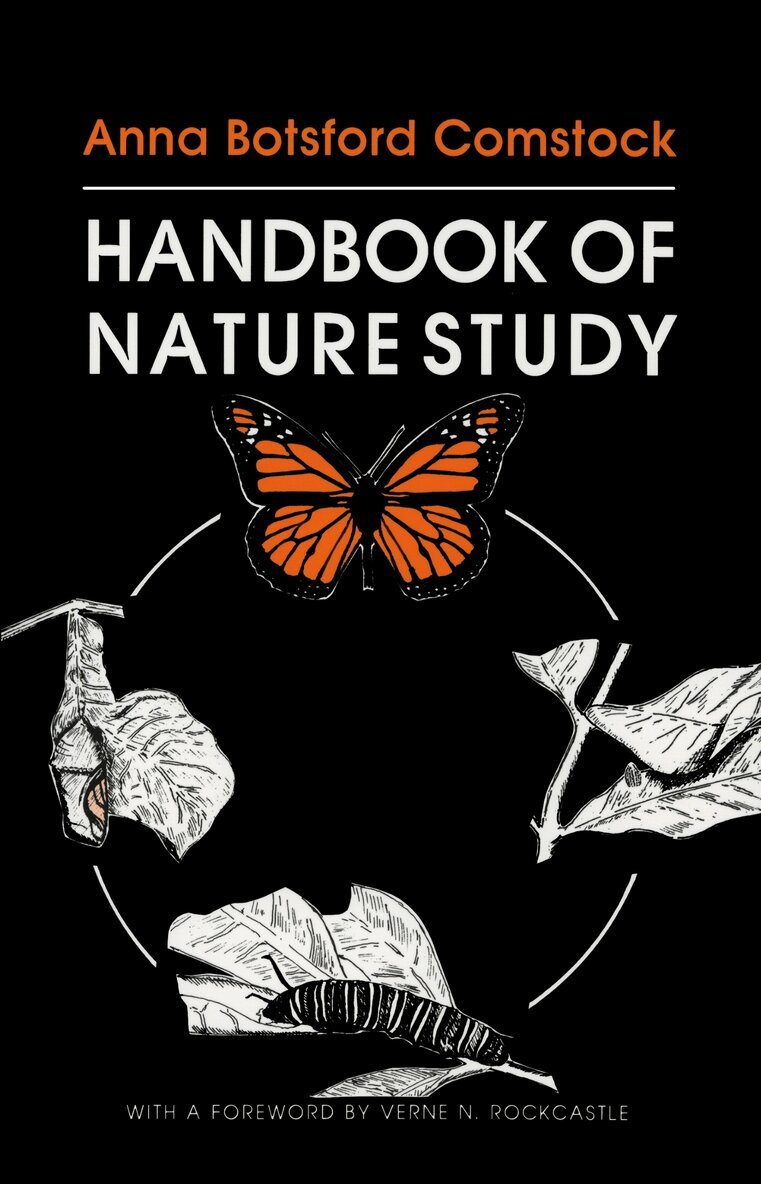
    Handbook of Nature Study

    AvAnna Botsford Comstock

    Häftad, Engelska, 1986

    389 kr

    Beställningsvara. Skickas inom 10-15 vardagar. Fri frakt över 249 kr.

    Fler format och utgåvor

    Inbunden

    1 708 kr

    Inbunden

    470 kr

    Häftad

    356 kr

    Inbunden

    583 kr

    Häftad

    514 kr

    Häftad

    628 kr

    Inbunden

    695 kr

    Häftad

    351 kr

    Inbunden

    485 kr

    Häftad

    753 kr

    Beskrivning

    A matchless handbook for decades, this classic work has been the natural history bible for countless teachers and others who seek information about their environment. Written originally for those elementary school teachers who knew little of common plants and animals, and even less about the earth beneath their feet and the skies overhead, this book is for the most part as valid and helpful today as it was when first written in 1911-and revised in the spirit of its authors by a group of naturalists in 1939. After all, dandelions, toads, robins, and constellations have changed little since then! And modern society's concern with the quality of life and the impact of people on soil, water, and wildlife makes this book even more relevant.Nature-study, as used in this handbook, encompasses all living things except humans, as well as all nonliving things such as rocks and minerals, the heavens, and weather. Of the living things described, most are common in the northeastern states, and many, such as the dandelion, milkweed, and mullein, and the house mouse, muskrat, and red fox, are so widespread that people living outside the United States will recognize them easily. Anna Botsford Comstock very appropriately took the view that we should know first and best the things closest to us. Only then, when we have an intimate knowledge of our neighbors, should we, journey farther afield to learn about more distant things. Teachers and children will find the material in this book invaluable in that regard. Details of the most common, but in some ways the most interesting, things are brought out, first by careful, nontechnical descriptions of the things themselves and later by thoughtful questions and study units. Because the most common things are treated in greatest detail, materials for study are easy to find. Whether the reader lives in the inner city or in the rural outback, the handbook is a treasure trove of information. A teacher does not need to know much about nature to use this handbook. The information is there for the novice and the expert alike. All that is needed is an inquiring mind, senses to observe, and a willingness to think about nature on a personal level.To enter this book in search of information about any common organism, stone, or object in the sky is to open the door to a fresh and lively acquaintance with one's environment.

    Produktinformation

    • Utgivningsdatum:1986-07-03
    • Mått:155 x 235 x 56 mm
    • Vikt:1 361 g
    • Format:Häftad
    • Språk:Engelska
    • Antal sidor:912
    • Förlag:Cornell University Press
    • Medarbetare:VerneN. Rockcastle
    • ISBN:9780801493843

    Utforska kategorier

    • Djurböcker inom Djur och Natur

    Mer om författaren

    The late Anna Botsford Comstock was the founder and first head of the Department of Nature Study at Cornell University and the first woman to be appointed to the Cornell faculty. Written originally for elementary school teachers, this book is as valid and helpful today as it was when it was first written in 1911.

    Recensioner i media

    Did you know that this classic was still in print? Focused on the northeast U.S., this book describes a wonderful diversity of basic natural history.(Ecology) Quality field guides will enrich your nature encounters. A comprehensive resource is Anna Botsford Comstock's Handbook of Nature Study.- Malinda S. Zellman (Bay Area Parent) Although many readers in the chemical, biological and physical disciplines will profit by the publication of this book, I feel that biologists stand to gain the most. For most biological scientists this book will open up a new scientific world... Chemists, physical chemists and chemical physicists who are considering entering the biological field will also find the book helpful because of the large amount of biological data and the large number of applications to biological processes reviewed. Highly recommended!(The Quarterly Review of Biology) Where else but in this 3-lb., 900-page paperback can students find so many answers to their endless questions - about animals, plants, rocks and minerals, climate and weather, and about the skies at night - that is, about one's environment? No other natural history handbook has been as popular with grade school, high school, and college students. First appearing in 1911, it has been republished dozens of times, for the most part with little change other than updating.(Science Books and Films)

    Innehållsförteckning

    • PART I: THE TEACHING OF NATURE-STUDYWhat Nature-Study Is; What Nature-Study Should Do for the Child; Nature-Study as a Help to Health; What Nature-Study Should Do for the Teacher; When and Why the Teacher Should Say" I Do Not Know!"; Nature-Study, the Elixir of Youth; Nature-Study as a Help in School Discipline; Relation of Nature-Study to Science; Nature-Study Not for Drill; The Child Not Interested in Nature-Study;When to Give the Lesson; Length of the Lesson; The Nature-Study Lesson Always New; Nature-Study and Object Lessons; Nature-Study in the Schoolroom; Nature-Study and Museum Specimens; Lens, Microscope, and Field Glass as Helps; Uses of Pictures, Charts, and Blackboard Drawings; Uses of Scientific Names; The Story as a Supplement to the Nature-Study Lesson;The Nature-Study Attitude toward Life and Death; Should the Nature-Study Teacher Teach How to Destroy Life?; The Field Notebook; The Field Excursion; Pets as Nature-Study Subjects; Correlation of Nature-Study with Language Work; Correlation of Nature-Study and Drawing; Correlation of Nature-Study with Geography; Correlation of Nature-Study with History; Correlation of Nature-Study with Arithmetic; Gardening and Nature-Study; Nature-Study and Agriculture; Nature-Study Clubs;How to Use This BookPART II: ANIMALSBirds; Fishes; Amphibians; Reptiles; Mammals; Insects; Insects of the Fields of Woods; Insects of the Brook and Pond; Invertebrate Animals other than InsectsPART III: PLANTSHow to Begin the Study of Plants; Some Needs of Plants; How to Teach the Names of the Parts of a Flower and of the Plant; Teach the Use of the Flower; Flower and Insect Partners; Relation of Plants to Geography; Seed GerminationWild Flowers; Weeds; Garden Flowers; Cultivated Crop Plants; Trees; Flowerless PlantsPART IV: EARTH AND SKYThe Brook; Rocks and Minerals; The Soil; The Magnet; Climate and Weather; Water Forms; The SkiesIndex