• Fri frakt över 249 kr
  • •
  • Snabba leveranser
  • •
  • Billiga böcker
Kundservice

Du är på sajten för privatpersoner.

Företag, bibliotek eller offentlig verksamhet?

Du handlar på classic.bokus.com, där alla dina funktioner finns intakta.
Till classic.bokus.com
Bokus logotyp. Gå till startsidan.
  • Erbjudanden
  • Nyheter
  • Student
  • Topplistor
  • Barn & ungdom
  • Bokus Play
  • E-böcker
  • Pocketböcker
  • Spel & pussel

10% rabatt på allt med kod: NYSTART10 →

Sidfot

Mina sidor

    Hjälp

    • Kundservice
    • Vanliga frågor och svar
    • Frakt och leverans
    • Retur vid ångerrätt
    • Reklamera vara
    • Betalning
    • Köpvillkor
    • Allmänna villkor
    • Information om webbplatsens tillgänglighet

    Om Bokus

    • Om oss
    • Pressrum
    • För studenter
    • För företag
    • För bibliotek och offentlig verksamhet
    • För leverantörer
    • Hållbarhet

    Populärt

    • Aktuella erbjudanden
    • Presentkort
    • Studentlitteratur
    • Nya böcker
    • Topplistor
    • Signerade böcker
    • Engelska böcker

    Inspiration

    • Boktips
    • BookTok
    • Populära bokserier
    • Barnbokskaraktärer
    • Populära författare
    Logotyp för Bokus
    Följ oss på Facebook (extern länk)Följ oss på Instagram (extern länk)Följ oss på YouTube (extern länk)Följ oss på TikTok (extern länk)
    bokus @ CookiesAnpassa cookiesIntegritetspolicyKöpvillkor
    Till Citymail hemsida (extern länk)Till Budbee hemsida (extern länk)Till Postnord hemsida (extern länk)Till Schenker hemsida (extern länk)Till Early Bird hemsida (extern länk)Till Walleys hemsida (extern länk)
    1. Samhälle och politik
    2. Samhälle och kultur
    3. Sociala och etiska frågor

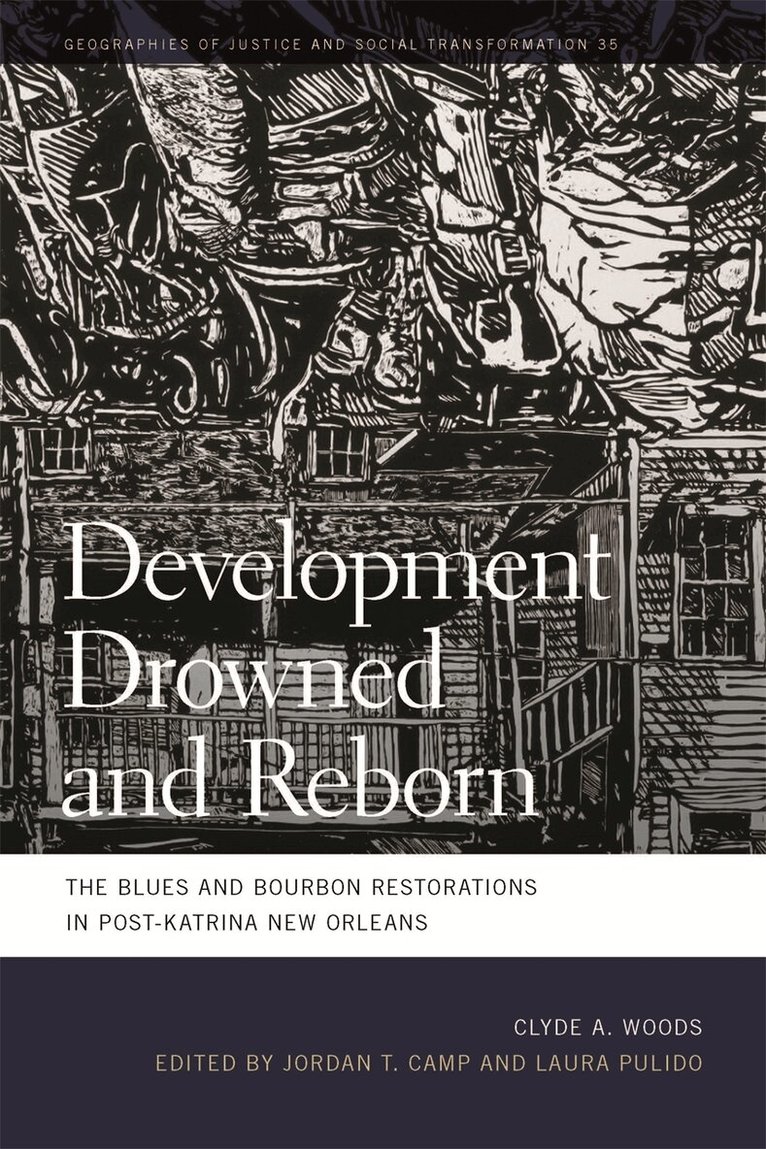
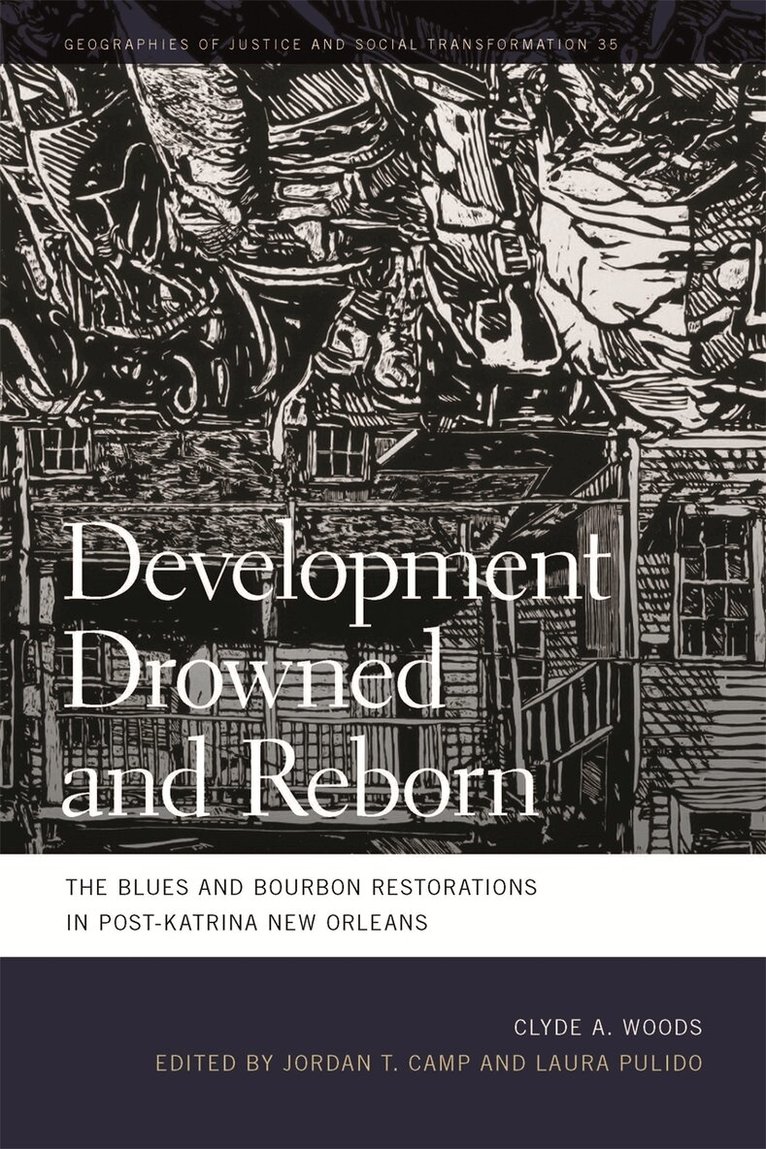
    In the Wake of Hurricane Katrina

    New Paradigms and Social Visions

    AvClyde Woods

    Häftad, Engelska, 2010

    Del i serien A Special Issue of American Quarterly

    326 kr

    Tillfälligt slut

    Beskrivning

    Assessing the damage left by Hurricane Katrina in social, cultural, and physical terms, the essays in this volume suggest that the nation's long and historic engagement with the Gulf Coast has entered a new era. While many of the essays analyze Katrina in terms of the relatively recent past, others explore how reaction to the hurricane's aftermath is rooted in the region's history. Uniquely combining humanities and social sciences research, the contributors reevaluate the political, social, and economic dynamics that existed before this "natural" disaster and the subsequent responses and actions, or lack thereof. Investigations of public policies, organizations, social movements, and neoliberalism range from a traditional policy case study of the often-neglected Alabama and Mississippi experience to an analysis of urban social movements in New Orleans to a broad critique of local policy that has global implications. Innovative young scholars provide essays on music, literature, tourism, and gender. Interviews with key community leaders and historic poets round out the volume.The many social, political, racial, economic, and personal disasters that followed Katrina produced intellectual dilemmas. How could this happen in the wealthiest nation in the world? How could the U.S. government so callously abandon its citizens when they so desperately needed federal aid? Why was the most powerful military in the world unable or unwilling to act? Readers will find in this collection compelling answers to these, and other, complicated questions.

    Produktinformation

    • Utgivningsdatum:2010-08-30
    • Mått:152 x 229 x 27 mm
    • Vikt:590 g
    • Format:Häftad
    • Språk:Engelska
    • Serie:A Special Issue of American Quarterly
    • Antal sidor:432
    • Förlag:Johns Hopkins University Press
    • ISBN:9780801895616

    Utforska kategorier

    • Sociala och etiska frågor inom Samhälle och politik

    Mer om författaren

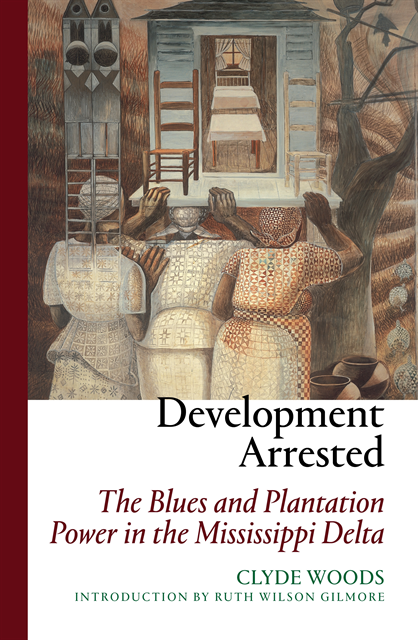
    Clyde Woods is an associate professor in the Department of Black Studies at the University of California, Santa Barbara. He is the author of Development Arrested: Race, Power, and the Blues in the Mississippi Delta and the coeditor of Black Geographies and the Politics of Place.

    Recensioner i media

    A wide-ranging, powerful survey of the many forces affecting the Katrina decisions. Midwest Book Review 2011

    Innehållsförteckning

    • Preface Introduction. Katrina's World: Blues, Bourbon, and the Return to the SourcePart I: Histories of Race, Gender, Sex, and ClassChapter 1. "More Desultory and Unconnected Than Any Other": Geography, Desire, and Freedom in Eliza Potter's A Hairdresser's Experience in High LifeChapter 2. "Justice Mocked": Violence and Accountability in New OrleansPart II: Activists and Institutions Chapter 3. Beyond Disaster Exceptionalism: Social Movement Developments in New Orleans after Hurricane KatrinaChapter 4. Stories at the Center: Story Circles, Educational Organizing, and Fate of Neighborhood Public Schools in New OrleansChapter 5. Of Armed Guards and Kente Cloth: Afro-Creole Catholics and the Battle for St. Augustine Parish in Post-Katrina New OrleansChapter 6. The Politics of Reproductive ViolencePart III: Culture, Music, and Performance Chapter 7. Jazz and RevivalChapter 8. Second Lining Post-Katrina: Learning Community from the Prince of Wales Social Aid and Pleasure ClubChapter 9. Upholding Community TraditionsChapter 10. On Conjuring Mahalia: Mahalia Jackson, New Orleans, and the Sanctified SwingChapter 11. "My FEMA People": Hip-Hop as Disaster Recovery in the Katrina DiasporaChapter 12. "We Know This Place": Neoliberal Racial Regimes and the Katrina CircumstanceChapter 13. We Know This PlacePart IV: Tourism Industrial ComplexChapter 14. Katrina Tourism and a Tale of Two Cities: Visualizing Race and Class in New OrleansChapter 15. "Roots Run Deep Here": The Construction of Black New Orleans in Post-Katrina Tourism NarrativesPart V: Geographies of DisasterChapter 16. Les Misérables of New Orleans: Trap Economics and the Asset Stripping Blues, Part 1Chapter 17. Freedom LandChapter 18. After Katrina: Racial Regimes and Human Development Barriers in the Gulf Coast RegionChapter 19. Refugee Bodily OrbitsContributors Index