• Fri frakt över 249 kr
  • •
  • Snabba leveranser
  • •
  • Billiga böcker
Kundservice

Du är på sajten för privatpersoner.

Företag, bibliotek eller offentlig verksamhet?

Du handlar på classic.bokus.com, där alla dina funktioner finns intakta.
Till classic.bokus.com
Bokus logotyp. Gå till startsidan.
  • Erbjudanden
  • Nyheter
  • Student
  • Topplistor
  • Barn & ungdom
  • Bokus Play
  • E-böcker
  • Pocketböcker
  • Spel & pussel

10% rabatt på allt med kod: NYSTART10 →

Sidfot

Mina sidor

    Hjälp

    • Kundservice
    • Vanliga frågor och svar
    • Frakt och leverans
    • Retur vid ångerrätt
    • Reklamera vara
    • Betalning
    • Köpvillkor
    • Allmänna villkor
    • Information om webbplatsens tillgänglighet

    Om Bokus

    • Om oss
    • Pressrum
    • För studenter
    • För företag
    • För bibliotek och offentlig verksamhet
    • För leverantörer
    • Hållbarhet

    Populärt

    • Aktuella erbjudanden
    • Presentkort
    • Studentlitteratur
    • Nya böcker
    • Topplistor
    • Signerade böcker
    • Engelska böcker

    Inspiration

    • Boktips
    • BookTok
    • Populära bokserier
    • Barnbokskaraktärer
    • Populära författare
    Logotyp för Bokus
    Följ oss på Facebook (extern länk)Följ oss på Instagram (extern länk)Följ oss på YouTube (extern länk)Följ oss på TikTok (extern länk)
    bokus @ CookiesAnpassa cookiesIntegritetspolicyKöpvillkor
    Till Citymail hemsida (extern länk)Till Budbee hemsida (extern länk)Till Postnord hemsida (extern länk)Till Schenker hemsida (extern länk)Till Early Bird hemsida (extern länk)Till Walleys hemsida (extern länk)
    1. Skönlitteratur
    2. Litteraturvetenskap
    3. Litteraturvetenskap

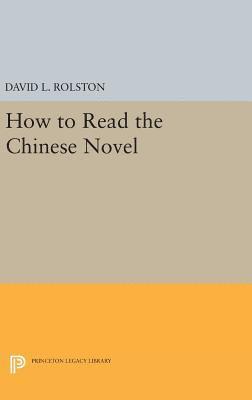
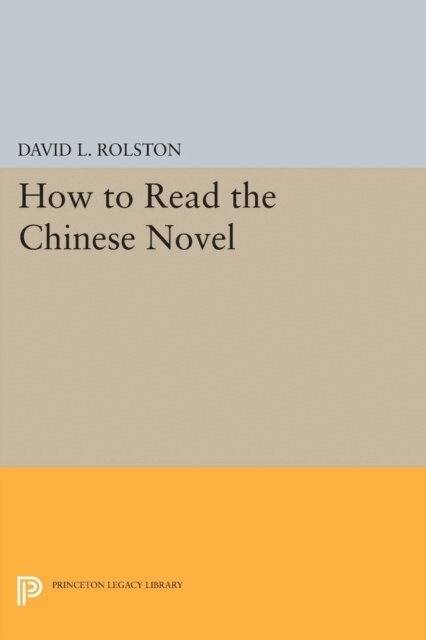
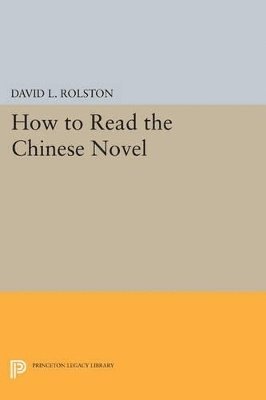
    Traditional Chinese Fiction and Fiction Commentary

    Reading and Writing Between the Lines

    AvDavid L. Rolston

    Inbunden, Engelska, 1997

    1 141 kr

    Beställningsvara. Skickas inom 5-8 vardagar. Fri frakt över 249 kr.

    Beskrivning

    In the Ming and Qing periods, the Chinese read fiction in editions with extensive commentary printed on the same page as the fiction itself. This commentary was concerned less with helping the reader understand the "letter" of the text than with drawing the reader's attention to its more notable aspects through emphatic punctuation (similar to our underlining, italics, or highlighting) and evaluative comments. Authors developed four different approaches to the challenges this type of commentary presented: they wrote their own commentary, they modeled aspects of their narrators on fiction commentators, they left space in their texts for readers to compose their own commentaries, or they combined these approaches.This book is the first concerted effort to see how the existence of the commentary tradition affected the development of Chinese fiction. It aims to answer several questions, including: How prevalent were commentary editions of fiction? How important was the commentary in them? Were the comments actually read? What effect did they have on readers and future writers?

    Produktinformation

    • Utgivningsdatum:1997-04-01
    • Mått:152 x 229 x 30 mm
    • Vikt:721 g
    • Format:Inbunden
    • Språk:Engelska
    • Antal sidor:444
    • Förlag:Stanford University Press
    • ISBN:9780804727204

    Utforska kategorier

    • Litteraturvetenskap inom Skönlitteratur

    Mer om författaren

    David L. Rolston is Associate Professor of Chinese Language and Literature at the University of Michigan. He is the editor of How to Read the Chinese Novel.

    Innehållsförteckning

    • Preface Abbreviations Introduction: traditional Chinese fiction commentary in context Part I. A Brief History of Chinese Fiction Commentary: 1. Mr. Pingdian: Jin Shengtan and the Shuihu zhuan 2. Dealing with Jin Shengtan and the rest of the 'Four Masterworks' 3. Decline and revival Part II. Making Room for Fiction: 4. Creating implied authors and readers 5. Liberating fiction from history 6. Liberating fiction from 'reality' Part III. From What to Who: The Turn Away from Plot: 7. From plot-centered to character-centered narratives 8. Relational characterization and ambiguos characters Part IV. How to Write the Chinese Novel: 9. Fiction criticism and how the story is told 10. Articulating the parts Part V. Four Solutions to the Challenge of Commentary: 11. Auto-commentary: the Xiyou bu and the Shuihu houzhuan 12. Commentator-narrators: Li Yu, Ding Yaokang, and Wen Kang 13. Latent commentary: the Rulin waishi 14. Everything all at once: the Honglou meng Works cited Glossary-Index.