• Fri frakt över 249 kr
  • •
  • Snabba leveranser
  • •
  • Billiga böcker
Kundservice

Du är på sajten för privatpersoner.

Företag, bibliotek eller offentlig verksamhet?

Du handlar på classic.bokus.com, där alla dina funktioner finns intakta.
Till classic.bokus.com
Bokus logotyp. Gå till startsidan.
  • Erbjudanden
  • Student
  • Topplistor
  • Barn & ungdom
  • Bokus Play
  • E-böcker
  • Ljudböcker
  • Pocketböcker
  • Spel & pussel

10% rabatt på allt med kod NYSTART10 →

Sidfot

Mina sidor

    Hjälp

    • Kundservice
    • Vanliga frågor och svar
    • Frakt och leverans
    • Retur vid ångerrätt
    • Reklamera vara
    • Betalning
    • Köpvillkor
    • Allmänna villkor
    • Information om webbplatsens tillgänglighet

    Om Bokus

    • Om oss
    • Pressrum
    • För studenter
    • För företag
    • För bibliotek och offentlig verksamhet
    • För leverantörer
    • Hållbarhet

    Populärt

    • Aktuella erbjudanden
    • Presentkort
    • Studentlitteratur
    • Nya böcker
    • Topplistor
    • Signerade böcker
    • Engelska böcker

    Inspiration

    • Boktips
    • BookTok
    • Populära bokserier
    • Barnbokskaraktärer
    • Populära författare
    Logotyp för Bokus
    Följ oss på Facebook (extern länk)Följ oss på Instagram (extern länk)Följ oss på YouTube (extern länk)Följ oss på TikTok (extern länk)
    bokus @ CookiesAnpassa cookiesIntegritetspolicyKöpvillkor
    Till Citymail hemsida (extern länk)Till Budbee hemsida (extern länk)Till Postnord hemsida (extern länk)Till Schenker hemsida (extern länk)Till Early Bird hemsida (extern länk)Till Walleys hemsida (extern länk)
    1. Juridik
    2. Rättsvetenskap

    Law Without Nations

    AvAustin Sarat,Lawrence Douglas

    Inbunden, Engelska, 2010

    Del i serien Amherst Series in Law, Jurisprudence, and Social Thought

    772 kr

    Beställningsvara. Skickas inom 10-15 vardagar. Fri frakt över 249 kr.

    Beskrivning

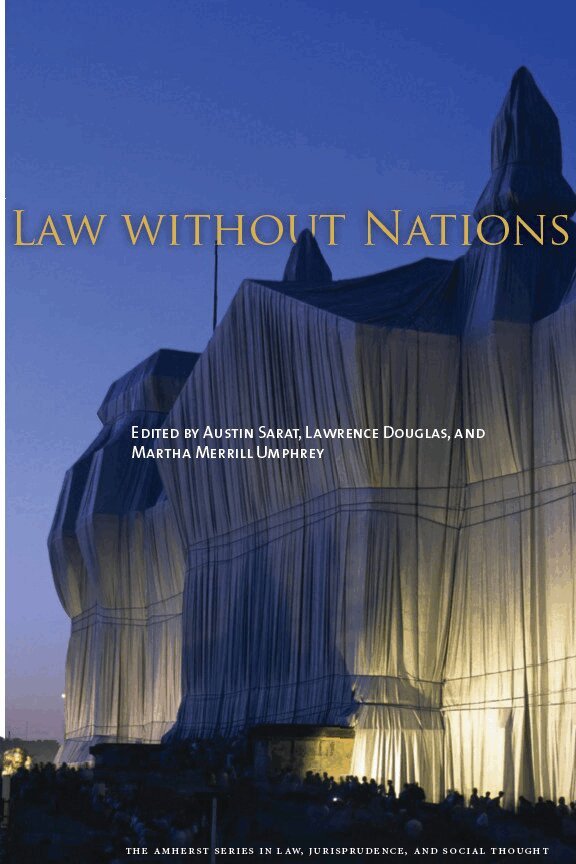
    The possibility of law in the absence of a nation would seem to strip law from its source of meaning and value. At the same time, law divorced from nations would clear the ground for a cosmopolitan vision in which the prejudices or idiosyncrasies of distinctive national traditions would give way to more universalist groundings for law. These alternately dystopian and utopian viewpoints inspire this original collection of essays on law without nations. This book examines the ways in which the growing internationalization of law affects domestic national law, the relationship between cosmopolitan legal ideas and understandings of national identity, and the intersections of identity and law based on the liberal tradition of jurisprudence and transnational influences. Ultimately, Law without Nations offers sharp analyses of the fraught relationship between the nation and the state—and the legal forms and practices that they require, constitute, and violently contest.

    Produktinformation

    • Utgivningsdatum:2010-12-10
    • Mått:152 x 229 x 23 mm
    • Vikt:476 g
    • Format:Inbunden
    • Språk:Engelska
    • Serie:Amherst Series in Law, Jurisprudence, and Social Thought
    • Antal sidor:256
    • Förlag:Stanford University Press
    • ISBN:9780804771696

    Utforska kategorier

    • Rättsvetenskap inom Juridik

    Mer om författaren

    Austin Sarat is the William Nelson Cromwell Professor of Jurisprudence and Political Science at Amherst College. Lawrence Douglas is James J. Grosfeld Professor of Law, Jurisprudence, and Social Thought at Amherst College. Martha Merrill Umphrey is Professor of Law, Jurisprudence, and Social Thought at Amherst College.

    Recensioner i media

    "This book is especially noteworthy given the current ascendance of international and regional alliances in global governance. It does an excellent good job of illustrating the reality of legal pluralism, the weakness of legal positivism, and the vitality of so-called non-state law."—Kathleen Moore, University of California, Santa Barbara "There is a great deal of novelty and insight in Law without Nations. The essays push thinking on the subject beyond simple trade-offs between international and national legal systems. The book draws on a dazzlingly diverse array of works and I find the interconnection of the contributors' arguments particularly engaging."—David Mednicoff, University of Massachusetts