• Fri frakt över 249 kr
  • •
  • Snabba leveranser
  • •
  • Billiga böcker
Kundservice

Du är på sajten för privatpersoner.

Företag, bibliotek eller offentlig verksamhet?

Du handlar på classic.bokus.com, där alla dina funktioner finns intakta.
Till classic.bokus.com
Bokus logotyp. Gå till startsidan.
  • Erbjudanden
  • Nyheter
  • Student
  • Topplistor
  • Barn & ungdom
  • Bokus Play
  • E-böcker
  • Pocketböcker
  • Spel & pussel

10% rabatt på allt med kod NYSTART10 →

Sidfot

Mina sidor

    Hjälp

    • Kundservice
    • Vanliga frågor och svar
    • Frakt och leverans
    • Retur vid ångerrätt
    • Reklamera vara
    • Betalning
    • Köpvillkor
    • Allmänna villkor
    • Information om webbplatsens tillgänglighet

    Om Bokus

    • Om oss
    • Pressrum
    • För studenter
    • För företag
    • För bibliotek och offentlig verksamhet
    • För leverantörer
    • Hållbarhet

    Populärt

    • Aktuella erbjudanden
    • Presentkort
    • Studentlitteratur
    • Nya böcker
    • Topplistor
    • Signerade böcker
    • Engelska böcker

    Inspiration

    • Boktips
    • BookTok
    • Populära bokserier
    • Barnbokskaraktärer
    • Populära författare
    Logotyp för Bokus
    Följ oss på Facebook (extern länk)Följ oss på Instagram (extern länk)Följ oss på YouTube (extern länk)Följ oss på TikTok (extern länk)
    bokus @ CookiesAnpassa cookiesIntegritetspolicyKöpvillkor
    Till Citymail hemsida (extern länk)Till Budbee hemsida (extern länk)Till Postnord hemsida (extern länk)Till Schenker hemsida (extern länk)Till Early Bird hemsida (extern länk)Till Walleys hemsida (extern länk)
    1. Juridik
    2. Rättsvetenskap

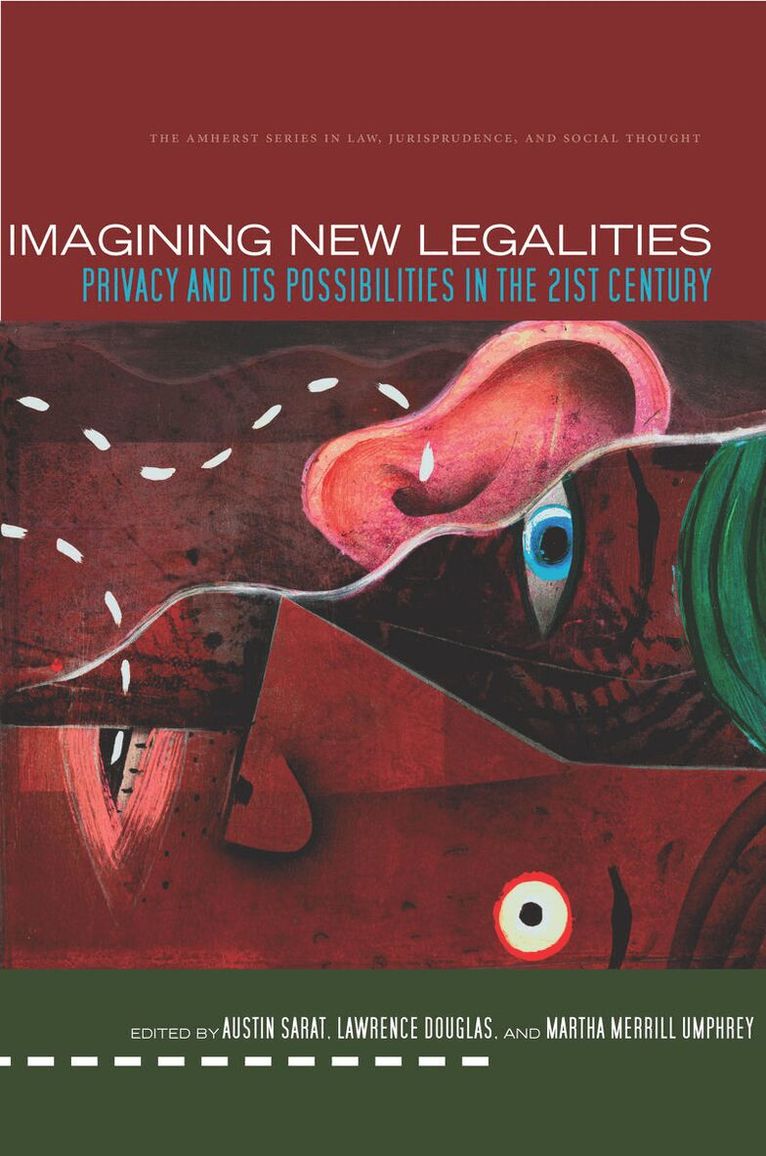
    Imagining New Legalities

    Privacy and Its Possibilities in the 21st Century

    AvAustin Sarat,Lawrence Douglas

    Inbunden, Engelska, 2012

    Del i serien Amherst Series in Law, Jurisprudence, and Social Thought

    813 kr

    Beställningsvara. Skickas inom 5-8 vardagar. Fri frakt över 249 kr.

    Beskrivning

    Imagining New Legalities reminds us that examining the right to privacy and the public/private distinction is an important way of mapping the forms and limits of power that can legitimately be exercised by collective bodies over individuals and by governments over their citizens. This book does not seek to provide a comprehensive overview of threats to privacy and rejoinders to them. Instead it considers several different conceptions of privacy and provides examples of legal inventiveness in confronting some contemporary challenges to the public/private distinction. It provides a context for that consideration by surveying the meanings of privacy in three domains—-the first, involving intimacy and intimate relations; the second, implicating criminal procedure, in particular, the 4th amendment; and the third, addressing control of information in the digital age. The first two provide examples of what are taken to be classic breaches of the public/private distinction, namely instances when government intrudes in an area claimed to be private. The third has to do with voluntary circulation of information and the question of who gets to control what happens to and with that information.

    Produktinformation

    • Utgivningsdatum:2012-03-14
    • Mått:152 x 229 x 18 mm
    • Vikt:408 g
    • Format:Inbunden
    • Språk:Engelska
    • Serie:Amherst Series in Law, Jurisprudence, and Social Thought
    • Antal sidor:224
    • Förlag:Stanford University Press
    • ISBN:9780804777049

    Utforska kategorier

    • Rättsvetenskap inom Juridik

    Mer om författaren

    Austin Sarat is the William Nelson Cromwell Professor of Jurisprudence and Political Science at Amherst College. Lawrence Douglas is James J. Grosfeld Professor of Law, Jurisprudence, and Social Thought at Amherst College. Martha Merrill Umphrey is Professor of Law, Jurisprudence, and Social Thought at Amherst College.

    Recensioner i media

    "Imagining New Legalities advances our thinking about powerful political and cultural challenges embedded in our efforts to improve our understanding of the law. This is a truly thoughtful, timely, and well-grounded collection of essays."—William Lyons, University of Akron