• Fri frakt över 249 kr
  • •
  • Snabba leveranser
  • •
  • Billiga böcker
Kundservice

Du är på sajten för privatpersoner.

Företag, bibliotek eller offentlig verksamhet?

Du handlar på classic.bokus.com, där alla dina funktioner finns intakta.
Till classic.bokus.com
Bokus logotyp. Gå till startsidan.
  • Erbjudanden
  • Nyheter
  • Student
  • Topplistor
  • Barn & ungdom
  • Bokus Play
  • E-böcker
  • Pocketböcker
  • Spel & pussel

10% rabatt på allt med kod NYSTART10 →

Sidfot

Mina sidor

    Hjälp

    • Kundservice
    • Vanliga frågor och svar
    • Frakt och leverans
    • Retur vid ångerrätt
    • Reklamera vara
    • Betalning
    • Köpvillkor
    • Allmänna villkor
    • Information om webbplatsens tillgänglighet

    Om Bokus

    • Om oss
    • Pressrum
    • För studenter
    • För företag
    • För bibliotek och offentlig verksamhet
    • För leverantörer
    • Hållbarhet

    Populärt

    • Aktuella erbjudanden
    • Presentkort
    • Studentlitteratur
    • Nya böcker
    • Topplistor
    • Signerade böcker
    • Engelska böcker

    Inspiration

    • Boktips
    • BookTok
    • Populära bokserier
    • Barnbokskaraktärer
    • Populära författare
    Logotyp för Bokus
    Följ oss på Facebook (extern länk)Följ oss på Instagram (extern länk)Följ oss på YouTube (extern länk)Följ oss på TikTok (extern länk)
    bokus @ CookiesAnpassa cookiesIntegritetspolicyKöpvillkor
    Till Citymail hemsida (extern länk)Till Budbee hemsida (extern länk)Till Postnord hemsida (extern länk)Till Schenker hemsida (extern länk)Till Early Bird hemsida (extern länk)Till Walleys hemsida (extern länk)
    1. Skönlitteratur
    2. Litteraturvetenskap
    3. Litteraturvetenskap

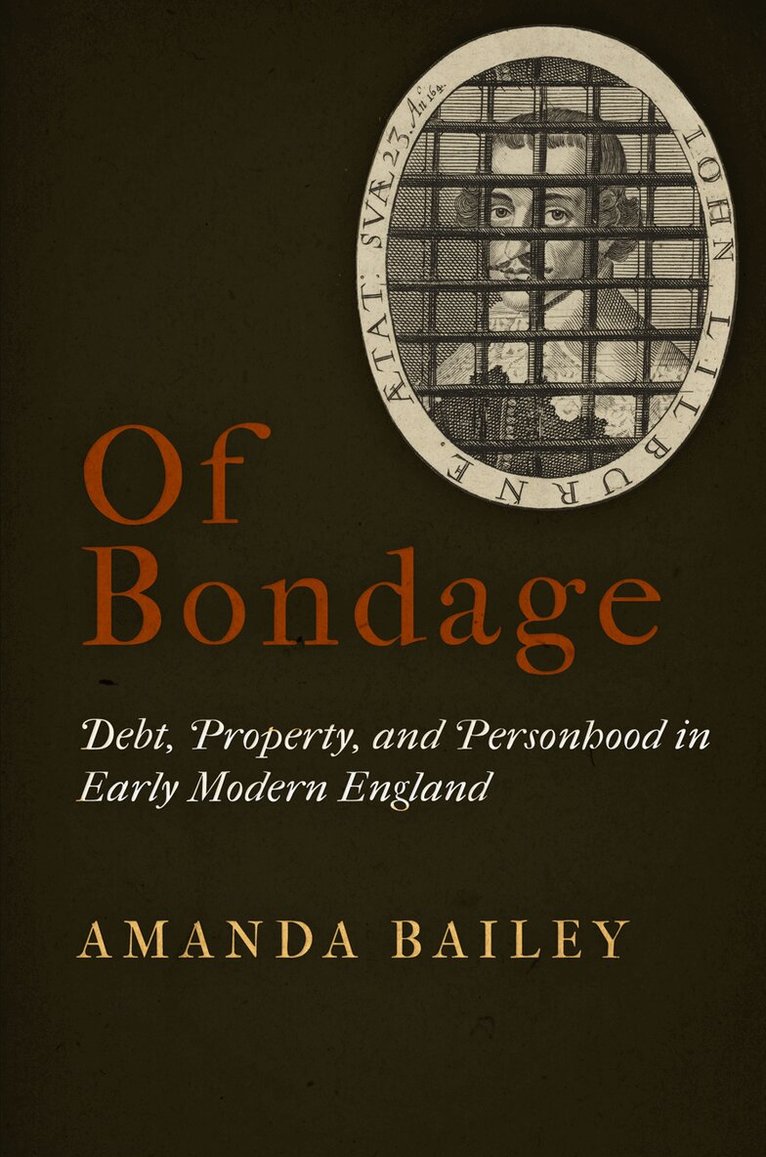
    Of Bondage

    Debt, Property, and Personhood in Early Modern England

    AvAmanda Bailey

    E-bok
    Engelska, 2013

    1 179 kr

    Läs direkt i Bokus Reader – eller ladda ned till din enhet

    Fler format och utgåvor

    Inbunden

    839 kr

    Beskrivning

    The late sixteenth-century penal debt bond, which allowed an unsatisfied creditor to seize the body of his debtor, set in motion a series of precedents that would shape the legal, philosophical, and moral issue of property-in-person in England and America for centuries. Focusing on this historical juncture at which debt litigation was not merely an aspect of society but seemed to engulf it completely, Of Bondage examines a culture that understood money and the body of the borrower as comparable forms of property that impinged on one another at the moment of default.Amanda Bailey shows that the early modern theater, itself dependent on debt bonds, was well positioned to stage the complex ethical issues raised by a system of forfeiture that registered as a bodily event. While plays about debt like The Merchant of Venice and The Custom of the Country did not use the language of political philosophy, they were artistically and financially invested in exploring freedom as a function of possession. By revealing dramatic literature's heretofore unacknowledged contribution to the developing narrative of possessed persons, Amanda Bailey not only deepens our understanding of creditor-debtor relations in the period but also sheds new light on the conceptual conditions for the institutions of indentured servitude and African slavery. Of Bondage is vital not only for students and scholars of English literature but also for those interested in British and colonial legal history, the history of human rights, and the sociology of economics.

    Produktinformation

    • Utgivningsdatum:2013-04-22
    • Språk:Engelska
    • Antal sidor:224
    • Filformat:EPUB
    • Kopieringsskydd:LCP
    • ISBN:9780812208221
    • Förlag:University of Pennsylvania Press

    Utforska kategorier

    • Litteraturvetenskap inom Skönlitteratur

    Mer om författaren

    Amanda Bailey is Associate Professor of English at the University of Maryland and author of Flaunting: Style and the Subversive Male Body in Renaissance England.

    Recensioner i media

    "Absorbing and beautifully written. Amanda Bailey thinks about debt as a bodily event at the center of political and moral issues raised by contract law, including the question of self-ownership."-Jonathan Gil Harris, George Washington University

    Innehållsförteckning

    • PrefaceIntroduction: Bound Bodies and the Theater of DebtChapter 1. Timon of Athens, Forms of Payback, and the Genre of DebtChapter 2. Shylock and the Slaves: Owing and Owning in The Merchant of VeniceChapter 3. Michaelmas Term and the Problem of SatisfactionChapter 4. Freedom, Bondage, and Redemption in The Custom of the CountryChapter 5. Prison Prose, the Pit, and the End of TricksEpilogue: The Debtor and the SlaveNotesWorks CitedIndexAcknowledgments