• Fri frakt över 249 kr
  • •
  • Snabba leveranser
  • •
  • Billiga böcker
Kundservice

Du är på sajten för privatpersoner.

Företag, bibliotek eller offentlig verksamhet?

Du handlar på classic.bokus.com, där alla dina funktioner finns intakta.
Till classic.bokus.com
Bokus logotyp. Gå till startsidan.
  • Erbjudanden
  • Nyheter
  • Student
  • Topplistor
  • Barn & ungdom
  • Bokus Play
  • E-böcker
  • Pocketböcker
  • Spel & pussel

Må bättre, för mindre! Upp till 50% rabatt på hälsoböcker

Sidfot

Mina sidor

    Hjälp

    • Kundservice
    • Vanliga frågor och svar
    • Frakt och leverans
    • Retur vid ångerrätt
    • Reklamera vara
    • Betalning
    • Köpvillkor
    • Allmänna villkor
    • Information om webbplatsens tillgänglighet

    Om Bokus

    • Om oss
    • Pressrum
    • För studenter
    • För företag
    • För bibliotek och offentlig verksamhet
    • För leverantörer
    • Hållbarhet

    Populärt

    • Aktuella erbjudanden
    • Presentkort
    • Studentlitteratur
    • Nya böcker
    • Topplistor
    • Signerade böcker
    • Engelska böcker

    Inspiration

    • Boktips
    • BookTok
    • Populära bokserier
    • Barnbokskaraktärer
    • Populära författare
    Logotyp för Bokus
    Följ oss på Facebook (extern länk)Följ oss på Instagram (extern länk)Följ oss på YouTube (extern länk)Följ oss på TikTok (extern länk)
    bokus @ CookiesAnpassa cookiesIntegritetspolicyKöpvillkor
    Till Citymail hemsida (extern länk)Till Budbee hemsida (extern länk)Till Postnord hemsida (extern länk)Till Schenker hemsida (extern länk)Till Early Bird hemsida (extern länk)Till Walleys hemsida (extern länk)
    1. Skönlitteratur
    2. Litteraturvetenskap
    3. Litteraturvetenskap

    Humble Story of Don Quixote

    Reflections on the Birth of the Modern Novel

    AvCesareo Bandera

    Inbunden, Engelska, 2006

    1 029 kr

    Beställningsvara. Skickas inom 10-15 vardagar. Fri frakt över 249 kr.

    Beskrivning

    Don Quixote is often called the first modern novel; many would argue it is the greatest novel ever written. But compared with other world masterpieces - from the ""Iliad"" to ""Paradise Lost"", or from ""Oedipus the King"" to ""Hamlet"" or ""Life is a Dream"", for example - the storyline of ""Don Quixote"" is remarkably uninspiring and lowly: a middle-aged man becomes mad reading novels and makes a fool of himself by believing he is a hero. The first great modern novel is a warning about the reading and the writing of novels. In this original study by Cesareo Bandera, the intimate connection between the simplicity and humility of the story and its greatness is explored. Other comparisons are also made: the story of the picaresque rogue, on the one hand, and the psychological insights of the pastoral novel, on the other. Through these analyses the meaning and significance of Cervantes' novel are developed. The book takes into critical account Mikhail Bakhtin's theory of the novel, as well as Michel Foucault's views about madness and civilization, in order to bring into relief the modernity of ""Don Quixote"". From another angle the contrasting views on human desire of such critics as Unamuno and Rene Girard become central to a new understanding of ""Don Quixote's"" madness, as well as to the development of the main connection between the humility of the story and its greatness.

    Produktinformation

    • Utgivningsdatum:2006-09-30
    • Mått:160 x 229 x 26 mm
    • Vikt:654 g
    • Format:Inbunden
    • Språk:Engelska
    • Antal sidor:336
    • Förlag:The Catholic University of America Press
    • ISBN:9780813214528

    Utforska kategorier

    • Litteraturvetenskap inom Skönlitteratur

    Mer om författaren

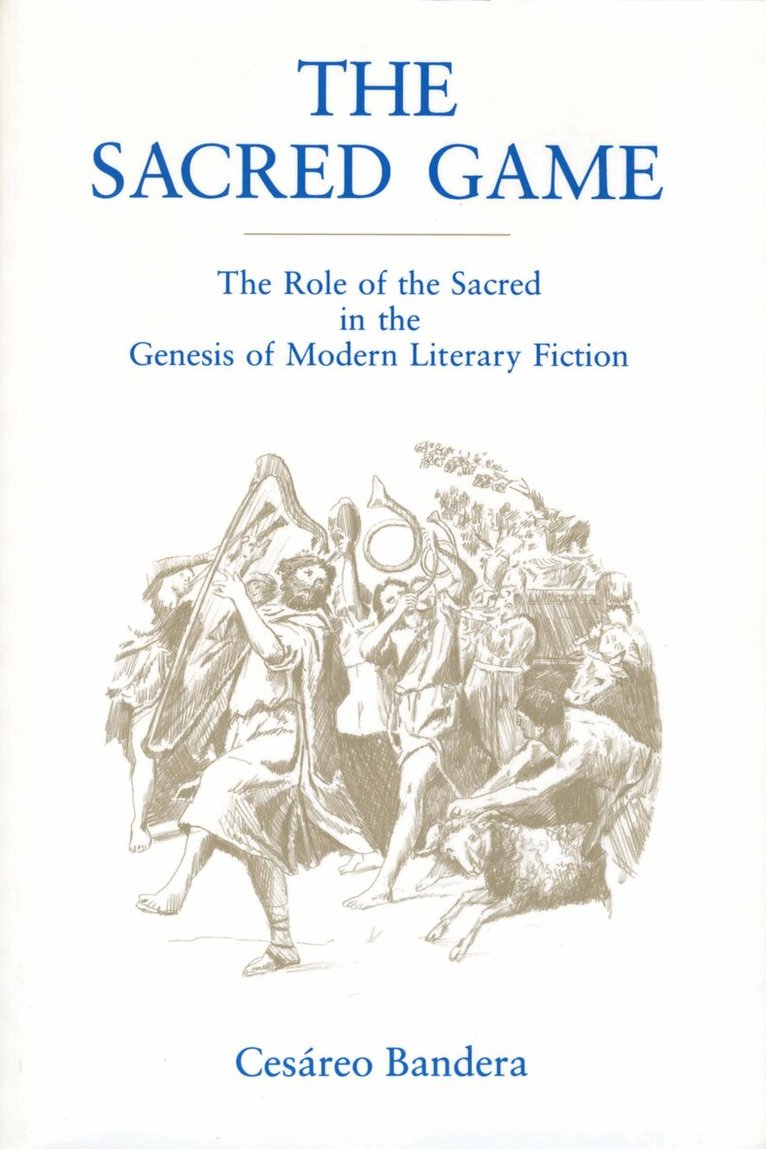
    Cesareo Bandera, professor emeritus of Spanish literature at the University of North Carolina at Chapel Hill, is author of numerous essays and several books in English and Spanish including The Sacred Game: The Role of the Sacred in the Genesis of Modern Literary Fiction.

    Recensioner i media

    The originality of Bandera's approach and the novelty of his focus are grounded not only on a solid knowledge of history and literary theory, but also of philosophy, history of religion, anthropology, etc. Bandera's study attracts from its first pages by confronting the reader with concepts which are fundamental to an understanding of the culture and literature of the West in the 17th century. - Jose Maria Diez Borque, Madrid, Universidad Complutense