• Fri frakt över 249 kr
  • •
  • Snabba leveranser
  • •
  • Billiga böcker
Kundservice

Du är på sajten för privatpersoner.

Företag, bibliotek eller offentlig verksamhet?

Du handlar på classic.bokus.com, där alla dina funktioner finns intakta.
Till classic.bokus.com
Bokus logotyp. Gå till startsidan.
  • Erbjudanden
  • Nyheter
  • Student
  • Topplistor
  • Barn & ungdom
  • Bokus Play
  • E-böcker
  • Pocketböcker
  • Spel & pussel

10% rabatt på allt med kod: NYSTART10 →

Sidfot

Mina sidor

    Hjälp

    • Kundservice
    • Vanliga frågor och svar
    • Frakt och leverans
    • Retur vid ångerrätt
    • Reklamera vara
    • Betalning
    • Köpvillkor
    • Allmänna villkor
    • Information om webbplatsens tillgänglighet

    Om Bokus

    • Om oss
    • Pressrum
    • För studenter
    • För företag
    • För bibliotek och offentlig verksamhet
    • För leverantörer
    • Hållbarhet

    Populärt

    • Aktuella erbjudanden
    • Presentkort
    • Studentlitteratur
    • Nya böcker
    • Topplistor
    • Signerade böcker
    • Engelska böcker

    Inspiration

    • Boktips
    • BookTok
    • Populära bokserier
    • Barnbokskaraktärer
    • Populära författare
    Logotyp för Bokus
    Följ oss på Facebook (extern länk)Följ oss på Instagram (extern länk)Följ oss på YouTube (extern länk)Följ oss på TikTok (extern länk)
    bokus @ CookiesAnpassa cookiesIntegritetspolicyKöpvillkor
    Till Citymail hemsida (extern länk)Till Budbee hemsida (extern länk)Till Postnord hemsida (extern länk)Till Schenker hemsida (extern länk)Till Early Bird hemsida (extern länk)Till Walleys hemsida (extern länk)
    1. Samhälle och politik
    2. Politik och statsskick
    3. Internationella relationer

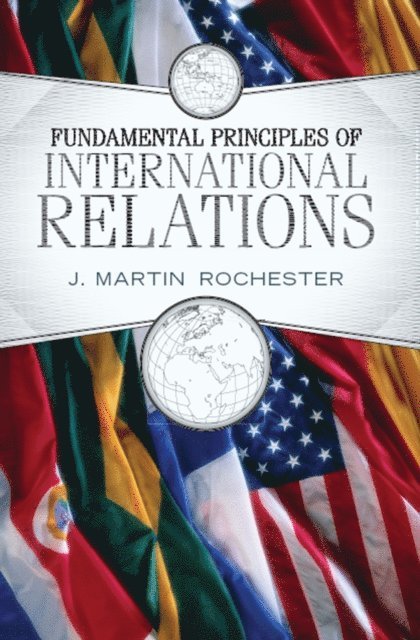
    Fundamental Principles of International Relations

    AvJ. Martin Rochester

    Häftad, Engelska, 2010

    1 003 kr

    Beställningsvara. Skickas inom 10-15 vardagar. Fri frakt över 249 kr.

    Fler format och utgåvor

    Inbunden

    2 421 kr

    E-bok

    1 098 kr

    E-bok

    1 098 kr

    Beskrivning

    This book distills the essential elements of world politics, both the enduring characteristics as well as the revolutionary changes that may be altering the very fabric of the centuries-old state system. Author J. Martin Rochester explores all the important topics that one would expect to find in an IR text (war, diplomacy, foreign policy, international law and organization, the international economy, and more) but injects fresh perspectives on how globalization and other contemporary trends are affecting these issues. In addition, the author does so through a highly engaging, lively writing style that will appeal to today's students. Fundamental Principles of International Relations is a tightly woven treatment of international politics past and present, drawing on the latest academic scholarship while avoiding excessive jargon and utilizing pedagogical aids while avoiding clutter. Rochester ultimately challenges the reader to think critically about the future of a post-Cold War and post-9/11 world that is arguably more complex, if not more dangerous, than some previous eras, with the potential for promise as well as peril.


    Produktinformation

    • Utgivningsdatum:2010-02-23
    • Mått:165 x 235 x 31 mm
    • Vikt:656 g
    • Format:Häftad
    • Språk:Engelska
    • Antal sidor:432
    • Förlag:Taylor & Francis Inc
    • ISBN:9780813344188

    Utforska kategorier

    • Internationella relationer inom Samhälle och politik

    Mer om författaren

    J. Martin Rochester is Curators' Distinguished Teaching Professor of Political Science at the University of Missouri-St. Louis and the author of several books and articles on international politics, organization, and law, including US Foreign Policy in the twenty-first Century (Westview Press).

    Recensioner i media

    "This is an extremely intelligent and well-written text. It brings the foremost issues and complexities of international relations to life for students with engaging prose and critical thinking exercises. I cannot think of a more erudite, accessible short text for international relations courses." -Jeffrey Pickering, Professor and Department Head, Kansas State University "J. Martin Rochester has applied his well-honed facility for writing about complex subjects in a lucid, pithy, and concise way to this new compact IR text. The result is an excellent book that should be a strong competitor in a crowded market. Geared to active learning approaches, each chapter includes an 'IR Critical Thinking Box' that will engage students' interest by providing good food for discussion, debate, and writing assignments." -Margaret P. Karns, University of Dayton

    Innehållsförteckning

    • Preface PART ONE Introduction: Conceptual and Historical Background 1 Understanding International Relations, or Getting a Handle on the World The Challenge Why Study International Relations? The Definition of International Relations The Paradigm Debate Scholars, Policymakers, and Citizens The Plan of the Book Questions for Study and Discussion Suggestions for Further Reading 2 The Historical Development of the International System: From the Birth of the Nation-State to Globalization The Birth of the Nation-State The International System in the Seventeenth, Eighteenth, and Nineteenth Centuries The International System in the Twentieth Century The Contemporary International System Conclusion Questions for Study and Discussion Suggestions for Further Reading PART TWO FOREIGN POLICY AND INTERNATIONAL POLITICS: The Dynamics of Conflict and Cooperation 3 States and Foreign Policy States as Players What Is Foreign Policy? The Analysis of Foreign Policy Explaining Foreign Policy: The "Levels of Analysis" Framework The International System Level The Nation-State Level The Individual Level Conclusion Questions for Study and Discussion Suggestions for Further Reading 4 Diplomacy, Bargaining, and Statecraft What Is Diplomacy? The Changing Nature of Diplomacy The Good Diplomat and Good Diplomacy: Rules to Follow in Negotiations Game Theory The Dynamics of Strategic Bargaining Conclusion Questions for Study and Discussion Suggestions for Further Reading 5 War and the Use of Armed Force Trends in the Use of Armed Force The Causes of War The Causes of Peace: Approaches to World Order Questions for Study and Discussion Suggestions for Further Reading 6 International Organization and Law International Organization The United Nations and the UN System The European Union International Law Conclusion Questions for Study and Discussion Suggestions for Further Reading PART THREE GLOBAL PROBLEM-SOLVING: Issue-Areas 7 Improving International Security The Problem Use of Force Regimes Arms Control Regimes Conclusion Questions for Study and Discussion Suggestions for Further Reading 8 Enhancing Human Rights and Human Development The Problem Human Rights Regimes Human Development Regimes Conclusion Questions for Study and Discussion Suggestions for Further Reading 9 Managing the World Economy and Promoting Prosperity The Problem International Economic Regimes Conclusion Questions for Study and Discussion Suggestions for Further Reading PART FOUR CONCLUSION: Thinking About the New Millennium 10 The Future of International Relations: Sovereignty, Global Governance, and the Human Prospect in the Twenty-first Century Whither the Nation-State System? Alternative World Order Models Living with Paradoxes: Toward a More Mature Anarchy Thinking About the Future Questions for Study and Discussion Suggestions for Further Reading Notes Glossary Index