• Fri frakt över 249 kr
  • •
  • Snabba leveranser
  • •
  • Billiga böcker
Kundservice

Du är på sajten för privatpersoner.

Företag, bibliotek eller offentlig verksamhet?

Du handlar på classic.bokus.com, där alla dina funktioner finns intakta.
Till classic.bokus.com
Bokus logotyp. Gå till startsidan.
  • Erbjudanden
  • Nyheter
  • Student
  • Topplistor
  • Barn & ungdom
  • Bokus Play
  • E-böcker
  • Pocketböcker
  • Spel & pussel

10% rabatt på allt med kod: NYSTART10 →

Sidfot

Mina sidor

    Hjälp

    • Kundservice
    • Vanliga frågor och svar
    • Frakt och leverans
    • Retur vid ångerrätt
    • Reklamera vara
    • Betalning
    • Köpvillkor
    • Allmänna villkor
    • Information om webbplatsens tillgänglighet

    Om Bokus

    • Om oss
    • Pressrum
    • För studenter
    • För företag
    • För bibliotek och offentlig verksamhet
    • För leverantörer
    • Hållbarhet

    Populärt

    • Aktuella erbjudanden
    • Presentkort
    • Studentlitteratur
    • Nya böcker
    • Topplistor
    • Signerade böcker
    • Engelska böcker

    Inspiration

    • Boktips
    • BookTok
    • Populära bokserier
    • Barnbokskaraktärer
    • Populära författare
    Logotyp för Bokus
    Följ oss på Facebook (extern länk)Följ oss på Instagram (extern länk)Följ oss på YouTube (extern länk)Följ oss på TikTok (extern länk)
    bokus @ CookiesAnpassa cookiesIntegritetspolicyKöpvillkor
    Till Citymail hemsida (extern länk)Till Budbee hemsida (extern länk)Till Postnord hemsida (extern länk)Till Schenker hemsida (extern länk)Till Early Bird hemsida (extern länk)Till Walleys hemsida (extern länk)
    1. Juridik
    2. Särskilda rättsområden

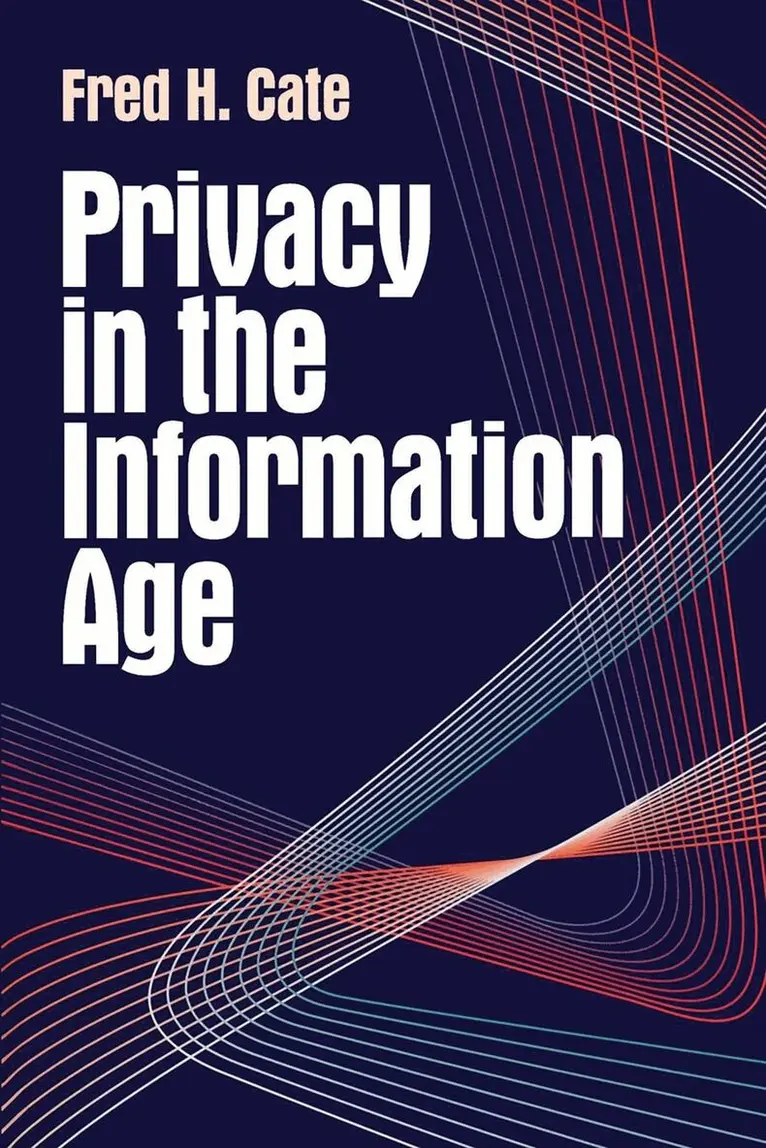
    Privacy in the Information Age

    AvFred H. Cate

    Häftad, Engelska, 1997

    262 kr

    Beställningsvara. Skickas inom 10-15 vardagar. Fri frakt över 249 kr.

    Fler format och utgåvor

    E-bok

    278 kr

    Beskrivning

    Electronic information networks offer extraordinary advantages to business, government, and individuals in terms of power, capacity, speed, accessibility, and cost. But these same capabilities present substantial privacy issues. With an unprecedented amount of data available in digital format--which is easier and less expensive to access, manipulate, and store--others know more about you than ever before.Consider this: data routinely collected about you includes your health, credit, marital, educational, and employment histories; the times and telephone numbers of every call you make and receive; the magazines you subscribe to and the books your borrow from the library; your cash withdrawals; your purchases by credit card or check; your electronic mail and telephone messages; where you go on the World Wide Web. The ramifications of such a readily accessible storehouse of information are astonishing.Governments have responded to these new challenges to personal privacy in a wide variety of ways. At one extreme, the European Union in 1995 enacted sweeping regulation to protect personal information; at the other extreme, privacy law in the United States and many other countries is fragmented, inconsistent, and offers little protection for privacy on the internet and other electronic networks.For all the passion that surrounds discussions about privacy, and the recent attention devoted to electronic privacy, surprisingly little consensus exists about what privacy means, what values are served--or compromised--by extending further legal protection to privacy, what values are affected by existing and proposed measures designed to protect privacy, and what principles should undergird a sensitive balancing of those values.In this book, Fred Cate addresses these critical issues in the context of computerized information. He provides an overview of the technologies that are provoking the current privacy debate and discusses the range of legal issues that these technologies raise. He examines the central elements that make up the definition of privacy and the values served, and liabilities incurred, by each of those components. Separate chapters address the regulation of privacy in Europe and the United States. The final chapter identifies four sets of principles for protecting information privacy. The principles recognize the significance of individual and collective nongovernmental action, the limited role for privacy laws and government enforcement of those laws, and the ultimate goal of establishing multinational principles for protecting information privacy.Privacy in the Information Age involves questions that cut across the fields of business, communications, economics, and law. Cate examines the debate in provocative, jargon-free, detail.

    Produktinformation

    • Utgivningsdatum:1997-10-01
    • Mått:153 x 224 x 17 mm
    • Vikt:358 g
    • Format:Häftad
    • Språk:Engelska
    • Antal sidor:264
    • Förlag:Bloomsbury Publishing Plc
    • ISBN:9780815713159

    Utforska kategorier

    • Särskilda rättsområden inom Juridik
    • IT-säkerhet inom Data och IT
    • Politiskt förtryck inom Samhälle och politik

    Mer om författaren

    Fred H. Cate is professor of law and Ira C. Batman Faculty Fellow at the Indiana University School of Law, Bloominton, and is a visiting scholar at the American Enterprise Institute.

    Recensioner i media

    "Professor Fred H. Cate does a remarkable job of outlining the status quo between the continents and exploring the varying approaches to dealing with privacy concerns.... Law libraries should buy this book because it is a comprehensive overview of the privacy concerns in the electronic society." —Mary Elizabeth Hadad, Suffolk University Law and Technology Program, Bimonthly Review of Law Books, 3/1/2001|"Privacy in the Information Age is a breath of fresh air in a debate that heretofore has viewed privacy in America the way George Kennan once viewed the Soviets, as something desperately in need of government containment. Hopefully Fred Cate's book will sober those who would erect expensive, intrusive European-like bureaucracies to do a job that consumer freedom and open markets will always do better." —Duncan MacDonald, General Counsel, Citibank Bankcards|"No new inventaion arrives without a mixture of advantages and disadvantages. New electronic information networks combine immediate blessings with the risk of a long-term loss of privacy. Fred Cate, one of our nation's most talented young legal scholars, penetrates this dilemma and suggests ways to balance the good and bad in our information revolution." —Newton N. Minow, Sidney and Austin, and Former Chair, Federal Communications Commission