• Fri frakt över 249 kr
  • •
  • Snabba leveranser
  • •
  • Billiga böcker
Kundservice

Du är på sajten för privatpersoner.

Företag, bibliotek eller offentlig verksamhet?

Du handlar på classic.bokus.com, där alla dina funktioner finns intakta.
Till classic.bokus.com
Bokus logotyp. Gå till startsidan.
  • Erbjudanden
  • Nyheter
  • Student
  • Topplistor
  • Barn & ungdom
  • Bokus Play
  • E-böcker
  • Pocketböcker
  • Spel & pussel

10% rabatt på allt med kod: NYSTART10 →

Sidfot

Mina sidor

    Hjälp

    • Kundservice
    • Vanliga frågor och svar
    • Frakt och leverans
    • Retur vid ångerrätt
    • Reklamera vara
    • Betalning
    • Köpvillkor
    • Allmänna villkor
    • Information om webbplatsens tillgänglighet

    Om Bokus

    • Om oss
    • Pressrum
    • För studenter
    • För företag
    • För bibliotek och offentlig verksamhet
    • För leverantörer
    • Hållbarhet

    Populärt

    • Aktuella erbjudanden
    • Presentkort
    • Studentlitteratur
    • Nya böcker
    • Topplistor
    • Signerade böcker
    • Engelska böcker

    Inspiration

    • Boktips
    • BookTok
    • Populära bokserier
    • Barnbokskaraktärer
    • Populära författare
    Logotyp för Bokus
    Följ oss på Facebook (extern länk)Följ oss på Instagram (extern länk)Följ oss på YouTube (extern länk)Följ oss på TikTok (extern länk)
    bokus @ CookiesAnpassa cookiesIntegritetspolicyKöpvillkor
    Till Citymail hemsida (extern länk)Till Budbee hemsida (extern länk)Till Postnord hemsida (extern länk)Till Schenker hemsida (extern länk)Till Early Bird hemsida (extern länk)Till Walleys hemsida (extern länk)
    1. Samhälle och politik
    2. Sociologi och antropologi
    3. Sociologi

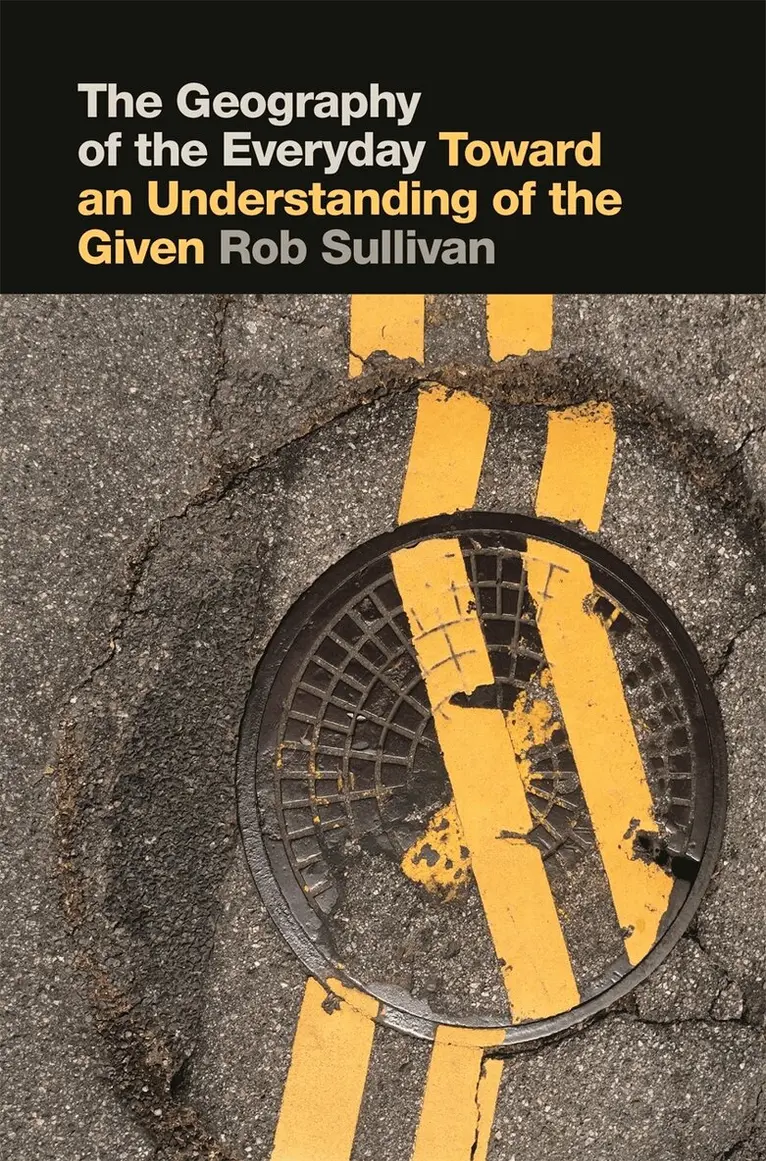
    Geography of the Everyday

    Toward an Understanding of the Given

    AvRob Sullivan

    Inbunden, Engelska, 2017

    953 kr

    Beställningsvara. Skickas inom 3-6 vardagar. Fri frakt över 249 kr.

    Fler format och utgåvor

    E-bok

    976 kr

    Häftad

    477 kr

    E-bok

    932 kr

    Beskrivning

    Anthropologists, psychologists, feminists, and sociologists have long studied the “everyday,” the quotidian, the taken-for-granted; however, geographers have lagged behind in engaging with this slippery aspect of reality. Now, Rob Sullivan makes the case for geography as a powerful conceptual framework for seeing the everyday anew and for pushing back against its “givenness”: its capacity to so fade into the background that it controls us in dangerously unexamined ways. Drawing on a number of theorists (Foucault, Goffman, Marx, Lefebvre, Hägerstrand, and others), Sullivan unpacks the concepts and perceived realities that structure everyday life while grounding them in real-world cases, such as Nigeria’s troubled oil network, the working poor in the United States, China’s urban villages, and ultra-high-end housing in London and Cairo.In examining the everyday from a geographical perspective, Sullivan ranges widely across time, space, history, geography, Marxian reproduction, the body, and the geographical mind. The everyday, Sullivan suggests, is where change occurs and where resistance to change can begin. By locating the everyday through geography, we can help to make change possible. Whatever the issue, be it struggles over race, LGBT rights, class inequality, or global warming, the transformations required to achieve social justice all begin with transformation of the everyday order.

    Produktinformation

    • Utgivningsdatum:2017-12-15
    • Mått:152 x 229 x 15 mm
    • Vikt:468 g
    • Format:Inbunden
    • Språk:Engelska
    • Antal sidor:204
    • Förlag:University of Georgia Press
    • ISBN:9780820351681

    Utforska kategorier

    • Sociologi inom Samhälle och politik
    • Geografi inom Naturvetenskap och teknik

    Mer om författaren

    ROB SULLIVAN is a former lecturer in geography at the University of California, Los Angeles, and the author of Street Level: Los Angeles in the Twenty-First Century and Geography Speaks: Performative Aspects of Geography.

    Recensioner i media

    Rather than offering such a totalizing theory, this imperious work primes new debates on the everyday by pairing theories and scholars who have rarely been combined. The work should therefore be read by scholars of critical theory, sensory studies, and geography.