• Fri frakt över 249 kr
  • •
  • Snabba leveranser
  • •
  • Billiga böcker
Kundservice

Du är på sajten för privatpersoner.

Företag, bibliotek eller offentlig verksamhet?

Du handlar på classic.bokus.com, där alla dina funktioner finns intakta.
Till classic.bokus.com
Bokus logotyp. Gå till startsidan.
  • Erbjudanden
  • Nyheter
  • Student
  • Topplistor
  • Barn & ungdom
  • Bokus Play
  • E-böcker
  • Pocketböcker
  • Spel & pussel

10% rabatt på allt med kod: NYSTART10 →

Sidfot

Mina sidor

    Hjälp

    • Kundservice
    • Vanliga frågor och svar
    • Frakt och leverans
    • Retur vid ångerrätt
    • Reklamera vara
    • Betalning
    • Köpvillkor
    • Allmänna villkor
    • Information om webbplatsens tillgänglighet

    Om Bokus

    • Om oss
    • Pressrum
    • För studenter
    • För företag
    • För bibliotek och offentlig verksamhet
    • För leverantörer
    • Hållbarhet

    Populärt

    • Aktuella erbjudanden
    • Presentkort
    • Studentlitteratur
    • Nya böcker
    • Topplistor
    • Signerade böcker
    • Engelska böcker

    Inspiration

    • Boktips
    • BookTok
    • Populära bokserier
    • Barnbokskaraktärer
    • Populära författare
    Logotyp för Bokus
    Följ oss på Facebook (extern länk)Följ oss på Instagram (extern länk)Följ oss på YouTube (extern länk)Följ oss på TikTok (extern länk)
    bokus @ CookiesAnpassa cookiesIntegritetspolicyKöpvillkor
    Till Citymail hemsida (extern länk)Till Budbee hemsida (extern länk)Till Postnord hemsida (extern länk)Till Schenker hemsida (extern länk)Till Early Bird hemsida (extern länk)Till Walleys hemsida (extern länk)
    1. Djur och Natur
    2. Naturböcker
    3. Växtböcker

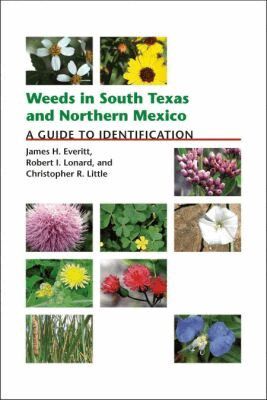
    Weeds in South Texas and Northern Mexico

    A Guide to Identification

    AvJames H. Everitt,Robert I. Lonard

    Häftad, Engelska, 2007

    212 kr

    Tillfälligt slut

    Beskrivning

    One person's weed is another's wildflower, but in this book weeds of southern Texas and northern Mexico are defined as plants that are considered a nuisance to farmers or noxious to livestock in the region. The book covers 189 broad-leaved herbaceous species, grasslike plants, and grasses, encompassing 144 genera and 45 families. These include one species of fern, 142 species of dicots, and 46 species of monocots. Of the dicots, 111 species of dicots are native and 31 are introduced. Twenty-one species of monocots are native, and 25 are introduced. The species descriptions include color photographs, family names, common names, scientific names, general descriptions, and the ecological characteristics of the weeds. Voucher specimens for most of the plants are on file in the University of Texas - Pan American Herbarium. Although this book focuses on plants that occur on both sides of the Rio Grande in Texas and northern Mexico, the extensive ranges of many of the represented species make it a useful reference for weeds in other areas of Texas and the southwestern United States. This book will be useful to farmers and farm managers, agricultural consultants, ranchers, natural resource managers, scientists, and anyone interested in the flora of southern Texas and northern Mexico.

    Produktinformation

    • Utgivningsdatum:2007-12-15
    • Mått:148 x 236 x 12 mm
    • Vikt:515 g
    • Format:Häftad
    • Språk:Engelska
    • Antal sidor:240
    • Förlag:Texas Tech Press,U.S.
    • ISBN:9780896726147

    Utforska kategorier

    • Växtböcker inom Djur och Natur

    Recensioner i media

    The reference provides easy access to information on common weedy species of plants found in both rural and urban areas... [it] would be a positive addition to the library of anyone interested in plants of this region, and doubly so for those with interests in agricultural and urban floras. --Nathan LeClear, Plant Science Bulletin 54 (4) 2008 ""The excellent photographs and superior descriptions for some of these confusing species are more than adequate even for a beginning amateur... This little guide has useful relevance throughout the state of Texas and adjacent areas. --Journal of the Botanical Research Institute of Texas, Joann Karges