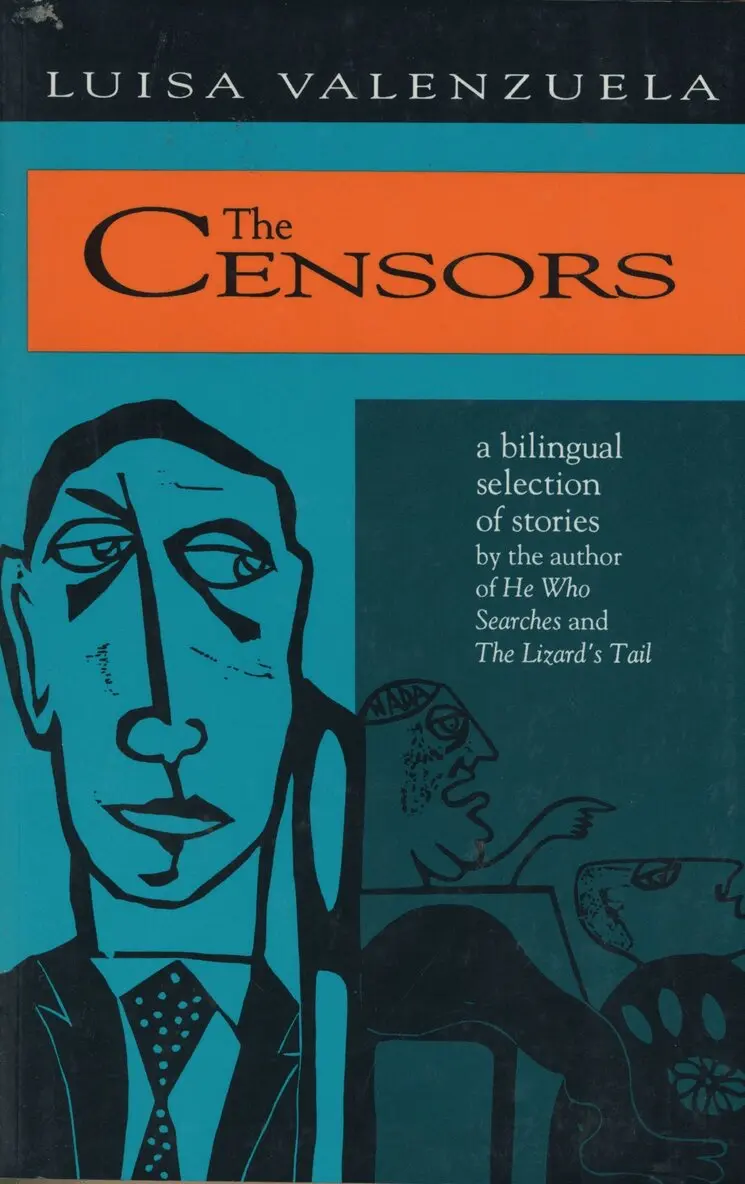
Censors
A Bilingual Selection of Stories
216 kr
Beställningsvara. Skickas inom 5-8 vardagar. Fri frakt över 249 kr.
Du är på sajten för privatpersoner.
216 kr
Beställningsvara. Skickas inom 5-8 vardagar. Fri frakt över 249 kr.
Luisa Valenzuela (born November 26, 1938, in Buenos Aires, Argentina) is a post-'Boom' novelist and short story writer. Her writing is characterized by an experimental, avant-garde style which questions hierarchical social structures from a feminist perspective. She is best known for her work written in response to the dictatorship of the 1970s in Argentina. Works such as Como en la guerra (1977), Cambio de armas (1982) and Cola de lagartija (1983) combine a powerful critique of dictatorship with an examination of patriarchal forms of social organization and the power structures which inhere in human sexuality and gender relationships.
""Luisa Valenzuela's affecting short stories—parables, really—are cryptic and poetic. Like many Latin American writers, she produces work that verges on the surreal."" New York Times Book Review|"[She is] the heiress of Latin American literature. She wears an opulent, baroque crown, but her feet are bare." —Carlos Fuentes|"Luisa Valenzuela explores the terrain where love and violence, erotic pleasure and death, exist perilously close to each other . . . Valenzuela plays with words, turns them inside out, weaves them into sensuous webs."—Voice Literary Supplement
Du är på sajten för privatpersoner.
216 kr
Beställningsvara. Skickas inom 5-8 vardagar. Fri frakt över 249 kr.
Luisa Valenzuela (born November 26, 1938, in Buenos Aires, Argentina) is a post-'Boom' novelist and short story writer. Her writing is characterized by an experimental, avant-garde style which questions hierarchical social structures from a feminist perspective. She is best known for her work written in response to the dictatorship of the 1970s in Argentina. Works such as Como en la guerra (1977), Cambio de armas (1982) and Cola de lagartija (1983) combine a powerful critique of dictatorship with an examination of patriarchal forms of social organization and the power structures which inhere in human sexuality and gender relationships.
""Luisa Valenzuela's affecting short stories—parables, really—are cryptic and poetic. Like many Latin American writers, she produces work that verges on the surreal."" New York Times Book Review|"[She is] the heiress of Latin American literature. She wears an opulent, baroque crown, but her feet are bare." —Carlos Fuentes|"Luisa Valenzuela explores the terrain where love and violence, erotic pleasure and death, exist perilously close to each other . . . Valenzuela plays with words, turns them inside out, weaves them into sensuous webs."—Voice Literary Supplement