E-bok, Engelska, 2014
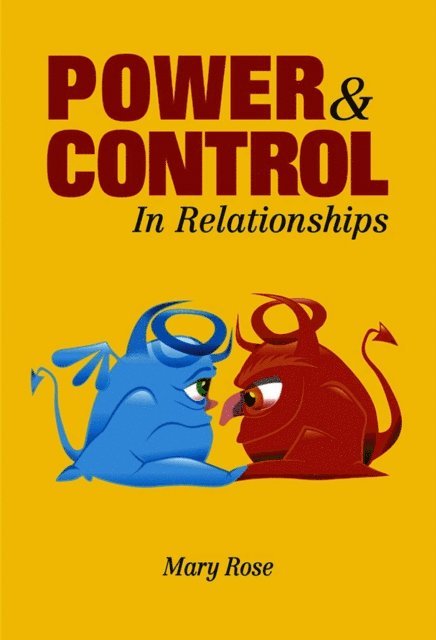
Power and Control in Relationships
Av Mary Rose
150 kr
Läs direkt i Bokus Reader – eller ladda ned till din enhet
Beskrivning
Power is embedded in our society and makes its way into relationships through control. Hidden in everyday interactions, control is one of the major contributors to disagreements, arguments and conflicts in interpersonal relationships.
Our sense of self is the most precious thing we have. Controllers may target someone's emotional, social, financial or physical well-being, but their most effective target is a person's self- identity. That is why control is so debilitating. When our autonomy is damaged our self-worth is damaged.
But control is not simple â if someone tries to use power over another, that person will resist. Resistance in turn can become controlling. This book unravels the tangled web to show how control can take over; what is and what is not controlling behaviour; what is control and what is resistance; the effects of the power struggle; the harm it causes and how to deal with it.
While the book's focus is on romantic relationships the material applies to many types of relationship such as student/teacher, parent/child, co-workers or employee/employer. The explanations provide a framework for understanding bullying and domestic violence.
The personal strategies are helpful for many different situations in which we find we lack the skills to achieve a good outcome. By understanding how control works people can stand back and see the inner workings of their relationships and how they operate.
Chapters:
1: "Five Stages of Relationships" -Relationships can be divided into five stages: honeymoon; power struggle; parallel lives; synergy; end (by death or breakup). This chapter describes the transition from honeymoon to power struggle, where many relationships become stuck.
2: "Power Struggle" -There are differences in why people hurt others. Some want to get their own way and hurt others in the process. Some hurt others because they like seeing their pain.
3: "Why People Control" -People control to enact their beliefs. Thirteen different beliefs are investigated.
4: "Macro Control" -There are different levels of control. The most control one person can have over another is to define their reality.
5: "Social Methods of Control" -A common method of social control is to alienate a partner from their friends and family. Another is to diminish the partner in public.
6: "Resistance and Counter-Control" -People resist being controlled. Their resistance behaviours can become self-destructive. Sometimes they resist to the point that they become controlling in return.
7: "Manipulative Methods of Control" -Manipulative control can be the hardest to pin down what it is.
8: "Manipulative Arguments" -Sometimes we know the other person's argument is not right but we can't exactly say why. Common fallacious arguments y controllers use are presented.
9: "Who is Resisting and Who is Controlling?" -It can be very hard to tease out what is happening with control. The levels of control provide a clue.
10: "Covert Methods of Control" -These diminish a partner but are hidden in everyday behaviours.
11: "Overt Methods of Control" -Controllers who use overt methods believe they have the right to dominate the other person.
12: "Physical Methods of Control" -Include domestic violence where the controller uses any means to subdue their partner.
13. "Effect of the Power Struggle on the Self" -Power struggles deplete people. Continual diminishment can lead to depression. Continual criticism or attack leads to anxiety.
14. "History of Control" -Shows how values and beliefs are passed down the generations.
15 "Power of the Environment" -From our inherited behaviours to modern day social expectations our environment influences what we do and how we think.
16. "Power Over Ourselves" - looks at how people can rebuild themselves using a healthier paradigm.
17. "Does it Have to be a Power Struggle?" -The book concludes that the power to influence is more effective than the power to control and includes some techniques to achieve that.
Our sense of self is the most precious thing we have. Controllers may target someone's emotional, social, financial or physical well-being, but their most effective target is a person's self- identity. That is why control is so debilitating. When our autonomy is damaged our self-worth is damaged.
But control is not simple â if someone tries to use power over another, that person will resist. Resistance in turn can become controlling. This book unravels the tangled web to show how control can take over; what is and what is not controlling behaviour; what is control and what is resistance; the effects of the power struggle; the harm it causes and how to deal with it.
While the book's focus is on romantic relationships the material applies to many types of relationship such as student/teacher, parent/child, co-workers or employee/employer. The explanations provide a framework for understanding bullying and domestic violence.
The personal strategies are helpful for many different situations in which we find we lack the skills to achieve a good outcome. By understanding how control works people can stand back and see the inner workings of their relationships and how they operate.
Chapters:
1: "Five Stages of Relationships" -Relationships can be divided into five stages: honeymoon; power struggle; parallel lives; synergy; end (by death or breakup). This chapter describes the transition from honeymoon to power struggle, where many relationships become stuck.
2: "Power Struggle" -There are differences in why people hurt others. Some want to get their own way and hurt others in the process. Some hurt others because they like seeing their pain.
3: "Why People Control" -People control to enact their beliefs. Thirteen different beliefs are investigated.
4: "Macro Control" -There are different levels of control. The most control one person can have over another is to define their reality.
5: "Social Methods of Control" -A common method of social control is to alienate a partner from their friends and family. Another is to diminish the partner in public.
6: "Resistance and Counter-Control" -People resist being controlled. Their resistance behaviours can become self-destructive. Sometimes they resist to the point that they become controlling in return.
7: "Manipulative Methods of Control" -Manipulative control can be the hardest to pin down what it is.
8: "Manipulative Arguments" -Sometimes we know the other person's argument is not right but we can't exactly say why. Common fallacious arguments y controllers use are presented.
9: "Who is Resisting and Who is Controlling?" -It can be very hard to tease out what is happening with control. The levels of control provide a clue.
10: "Covert Methods of Control" -These diminish a partner but are hidden in everyday behaviours.
11: "Overt Methods of Control" -Controllers who use overt methods believe they have the right to dominate the other person.
12: "Physical Methods of Control" -Include domestic violence where the controller uses any means to subdue their partner.
13. "Effect of the Power Struggle on the Self" -Power struggles deplete people. Continual diminishment can lead to depression. Continual criticism or attack leads to anxiety.
14. "History of Control" -Shows how values and beliefs are passed down the generations.
15 "Power of the Environment" -From our inherited behaviours to modern day social expectations our environment influences what we do and how we think.
16. "Power Over Ourselves" - looks at how people can rebuild themselves using a healthier paradigm.
17. "Does it Have to be a Power Struggle?" -The book concludes that the power to influence is more effective than the power to control and includes some techniques to achieve that.
Produktinformation
- Utgivningsdatum: 2014-06-12
- Språk: Engelska
- Filformat: EPUB
- Kopieringsskydd: LCP
- ISBN: 9780987380814
- Förlag: eBookIt.com
Utforska kategorier
Betyg & recensioner
0 recensioner
Inga recensioner tillgängliga.