• Fri frakt över 249 kr
  • •
  • Snabba leveranser
  • •
  • Billiga böcker
Kundservice

Du är på sajten för privatpersoner.

Företag, bibliotek eller offentlig verksamhet?

Du handlar på classic.bokus.com, där alla dina funktioner finns intakta.
Till classic.bokus.com
Bokus logotyp. Gå till startsidan.
  • Erbjudanden
  • Nyheter
  • Student
  • Topplistor
  • Barn & ungdom
  • Bokus Play
  • E-böcker
  • Pocketböcker
  • Spel & pussel

10% rabatt på allt med kod: NYSTART10 →

Sidfot

Mina sidor

    Hjälp

    • Kundservice
    • Vanliga frågor och svar
    • Frakt och leverans
    • Retur vid ångerrätt
    • Reklamera vara
    • Betalning
    • Köpvillkor
    • Allmänna villkor
    • Information om webbplatsens tillgänglighet

    Om Bokus

    • Om oss
    • Pressrum
    • För studenter
    • För företag
    • För bibliotek och offentlig verksamhet
    • För leverantörer
    • Hållbarhet

    Populärt

    • Aktuella erbjudanden
    • Presentkort
    • Studentlitteratur
    • Nya böcker
    • Topplistor
    • Signerade böcker
    • Engelska böcker

    Inspiration

    • Boktips
    • BookTok
    • Populära bokserier
    • Barnbokskaraktärer
    • Populära författare
    Logotyp för Bokus
    Följ oss på Facebook (extern länk)Följ oss på Instagram (extern länk)Följ oss på YouTube (extern länk)Följ oss på TikTok (extern länk)
    bokus @ CookiesAnpassa cookiesIntegritetspolicyKöpvillkor
    Till Citymail hemsida (extern länk)Till Budbee hemsida (extern länk)Till Postnord hemsida (extern länk)Till Schenker hemsida (extern länk)Till Early Bird hemsida (extern länk)Till Walleys hemsida (extern länk)
    1. Ande, kropp och själ
    2. Ande, kropp och själ
    3. Alternativa terapier, healing och hälsa

    Early Modern Herbals and the Book Trade

    English Stationers and the Commodification of Botany

    AvSarah Neville

    Häftad, Engelska, 2024

    363 kr

    Beställningsvara. Skickas inom 10-15 vardagar. Fri frakt över 249 kr.

    Fler format och utgåvor

    E-bok

    418 kr

    E-bok

    418 kr

    Inbunden

    1 273 kr

    Beskrivning

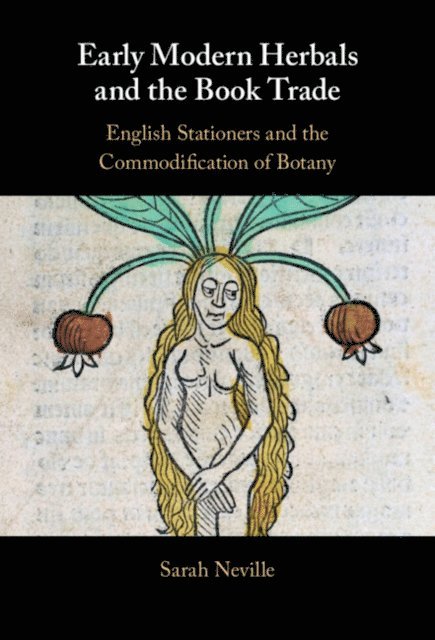
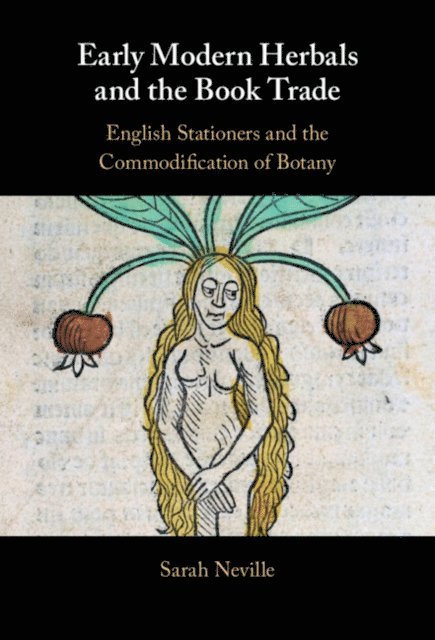
    Between 1525 and 1640, a remarkable phenomenon occurred in the world of print: England saw the production of more than two dozen editions identified by their imprints or by contemporaries as 'herbals'. Sarah Neville explains how this genre grew from a series of tiny anonymous octavos to authoritative folio tomes with thousands of woodcuts, and how these curious works quickly became valuable commodities within a competitive print marketplace. Designed to serve readers across the social spectrum, these rich material artifacts represented both a profitable investment for publishers and an opportunity for authors to establish their credibility as botanists. Highlighting the shifting contingencies and regulations surrounding herbals and English printing during the sixteenth and early seventeenth century, the book argues that the construction of scientific authority in Renaissance England was inextricably tied up with the circumstances governing print. This title is also available as Open Access on Cambridge Core.

    Produktinformation

    • Utgivningsdatum:2024-08-22
    • Mått:152 x 229 x 17 mm
    • Vikt:448 g
    • Format:Häftad
    • Språk:Engelska
    • Antal sidor:308
    • Förlag:Cambridge University Press
    • ISBN:9781009013604

    Utforska kategorier

    • Alternativa terapier, healing och hälsa inom Ande, kropp och själ
    • Litteraturvetenskap inom Skönlitteratur

    Mer om författaren

    Sarah Neville is Assistant Professor in the Department of English at Ohio State University. She is an assistant editor of the New Oxford Shakespeare and an associate co-ordinating editor of the Digital Renaissance Editions.

    Recensioner i media

    'Sarah Neville's fascinating account of how stationers contributed to the creation of botanical texts brings English herbals and the early modern book trade together for the first time. Her reframing of their history irrevocably alters our sense of their importance for the publishers who commissioned them, the printers who manufactured them, and the booksellers who retailed herbals as well as for the Renaissance physicians, lay medical practitioners, and elite and common readers who so frequently consulted them. Early modern ecocritics will want to read this book along with book historians, historians of science, and those interested in Renaissance literature and culture.' Valerie Wayne, University of Hawai'i at Mānoa

    Innehållsförteckning

    • Prologue. Milton's trees; Introduction. Authorizing English botany; Part I. A History of Herbals: 1. Authorship, book history, and the effects of artifacts; 2. The stationers' company and constraints on English printing; 3. Salubrious illustration and the economics of English herbals; Part II. Anonymity in the Printed English Herbal: 4. Reframing competition: the curious case of the little Herball; 5. The Grete Herball and evidence in the margins; 6. 'Unpublished virtues of the earth': books of healing on the English renaissance stage; Part III. Authors and the Printed English Herbal: 7. William Turner and the medical book trade; 8. John Norton and the redemption of John Gerard.