• Fri frakt över 249 kr
  • •
  • Snabba leveranser
  • •
  • Billiga böcker
Kundservice

Du är på sajten för privatpersoner.

Företag, bibliotek eller offentlig verksamhet?

Du handlar på classic.bokus.com, där alla dina funktioner finns intakta.
Till classic.bokus.com
Bokus logotyp. Gå till startsidan.
  • Erbjudanden
  • Nyheter
  • Student
  • Topplistor
  • Barn & ungdom
  • Bokus Play
  • E-böcker
  • Pocketböcker
  • Spel & pussel

10% rabatt på allt med kod NYSTART10 →

Sidfot

Mina sidor

    Hjälp

    • Kundservice
    • Vanliga frågor och svar
    • Frakt och leverans
    • Retur vid ångerrätt
    • Reklamera vara
    • Betalning
    • Köpvillkor
    • Allmänna villkor
    • Information om webbplatsens tillgänglighet

    Om Bokus

    • Om oss
    • Pressrum
    • För studenter
    • För företag
    • För bibliotek och offentlig verksamhet
    • För leverantörer
    • Hållbarhet

    Populärt

    • Aktuella erbjudanden
    • Presentkort
    • Studentlitteratur
    • Nya böcker
    • Topplistor
    • Signerade böcker
    • Engelska böcker

    Inspiration

    • Boktips
    • BookTok
    • Populära bokserier
    • Barnbokskaraktärer
    • Populära författare
    Logotyp för Bokus
    Följ oss på Facebook (extern länk)Följ oss på Instagram (extern länk)Följ oss på YouTube (extern länk)Följ oss på TikTok (extern länk)
    bokus @ CookiesAnpassa cookiesIntegritetspolicyKöpvillkor
    Till Citymail hemsida (extern länk)Till Budbee hemsida (extern länk)Till Postnord hemsida (extern länk)Till Schenker hemsida (extern länk)Till Early Bird hemsida (extern länk)Till Walleys hemsida (extern länk)
    1. Språk och ordböcker
    2. Språkvetenskap och lingvistik

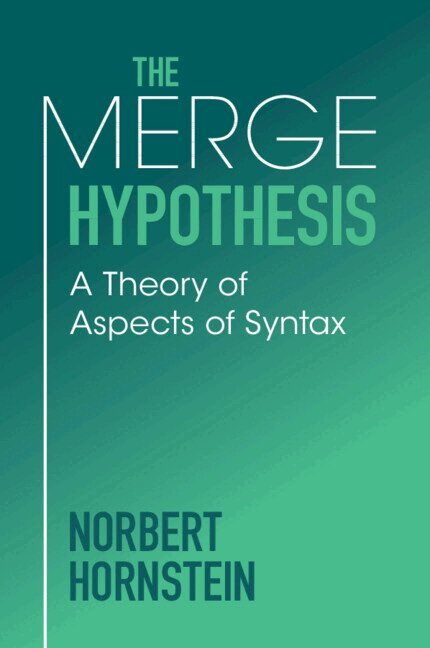
    The Merge Hypothesis

    A Theory of Aspects of Syntax

    AvNorbert Hornstein

    Häftad, Engelska, 2024

    324 kr

    Beställningsvara. Skickas inom 10-15 vardagar. Fri frakt över 249 kr.

    Fler format och utgåvor

    Inbunden

    1 029 kr

    Beskrivning

    The Merge Hypothesis is the central empirical theoretical contribution of the Minimalist Program (MP) to syntactic theory. This book offers an accessible overview of the MP, debunking common sixty years of Generative research, culminating in GB theory. He introduces The Fundamental Principle of Grammar, which advocates including labels as part of the Merge Operation and centring the notion of the constituent as the key domain of syntactic commerce. The early chapters identify the goals of the MP, how they arose from earlier descriptive and explanatory successes of the mentalist tradition within Generative Grammar, and how to develop them in future work to expand its descriptive and explanatory range. It is essential reading for anyone interested in contemporary syntactic theory.

    Produktinformation

    • Utgivningsdatum:2024-02-22
    • Mått:150 x 228 x 14 mm
    • Vikt:380 g
    • Format:Häftad
    • Språk:Engelska
    • Antal sidor:256
    • Förlag:Cambridge University Press
    • ISBN:9781009415774

    Utforska kategorier

    • Språkvetenskap och lingvistik inom Språk och ordböcker

    Mer om författaren

    Norbert Hornstein is Professor Emeritus in Linguistics University of Maryland, College Park. He has written several books on Minimalist Syntax including A Theory of Syntax (2008), Move! (2001), and Understanding Minimalism (2005, with Nunes and Grohmann).

    Recensioner i media

    'All you need is Merge - a provocative foundation for Hornstein's impressive collection of footnotes that forms a coherent theory of (aspects of) syntax. Labeling might further help define the human language faculty as a cognitive system. But syntacticians narrowly interested in the properties of natural language grammars can rightfully breathe a sigh of relief: Merge is all you need.' Kleanthes K. Grohmann, Professor of Biolinguistics, University of Cyprus

    Innehållsförteckning

    • Abbreviations; Preface; Introduction; 1. A Whig history of generative grammar; 2. Tools and particulars; 3. Adding labels; 4. Construal and the extended merge hypothesis (1): A-chain dependencies; 5. Construal and the extended merge hypothesis (2): A-chain dependencies; 6. A partial wrap up and segue; 7. Labels; 8. Odds and ends; 9. Conclusion.