• Fri frakt över 249 kr
  • •
  • Snabba leveranser
  • •
  • Billiga böcker
Kundservice

Du är på sajten för privatpersoner.

Företag, bibliotek eller offentlig verksamhet?

Du handlar på classic.bokus.com, där alla dina funktioner finns intakta.
Till classic.bokus.com
Bokus logotyp. Gå till startsidan.
  • Erbjudanden
  • Nyheter
  • Student
  • Topplistor
  • Barn & ungdom
  • Bokus Play
  • E-böcker
  • Pocketböcker
  • Spel & pussel

10% rabatt på allt med kod NYSTART10 →

Sidfot

Mina sidor

    Hjälp

    • Kundservice
    • Vanliga frågor och svar
    • Frakt och leverans
    • Retur vid ångerrätt
    • Reklamera vara
    • Betalning
    • Köpvillkor
    • Allmänna villkor
    • Information om webbplatsens tillgänglighet

    Om Bokus

    • Om oss
    • Pressrum
    • För studenter
    • För företag
    • För bibliotek och offentlig verksamhet
    • För leverantörer
    • Hållbarhet

    Populärt

    • Aktuella erbjudanden
    • Presentkort
    • Studentlitteratur
    • Nya böcker
    • Topplistor
    • Signerade böcker
    • Engelska böcker

    Inspiration

    • Boktips
    • BookTok
    • Populära bokserier
    • Barnbokskaraktärer
    • Populära författare
    Logotyp för Bokus
    Följ oss på Facebook (extern länk)Följ oss på Instagram (extern länk)Följ oss på YouTube (extern länk)Följ oss på TikTok (extern länk)
    bokus @ CookiesAnpassa cookiesIntegritetspolicyKöpvillkor
    Till Citymail hemsida (extern länk)Till Budbee hemsida (extern länk)Till Postnord hemsida (extern länk)Till Schenker hemsida (extern länk)Till Early Bird hemsida (extern länk)Till Walleys hemsida (extern länk)
    1. Samhälle och politik
    2. Politik och statsskick

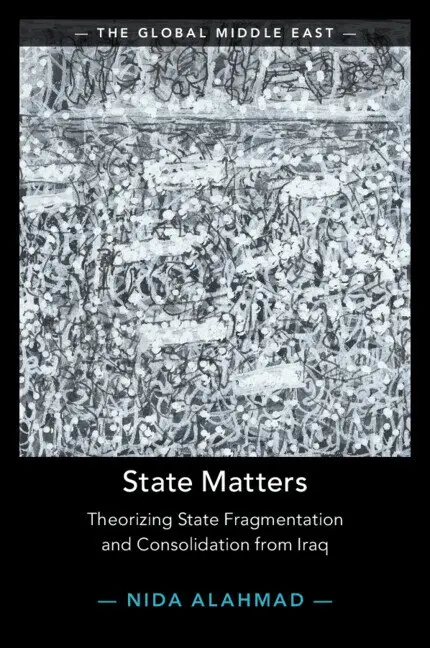
    State Matters

    Theorizing State Fragmentation and Consolidation from Iraq

    AvNida Alahmad

    Inbunden, Engelska, 2026

    Del i serien The Global Middle East

    1 319 kr

    Beställningsvara. Skickas inom 10-15 vardagar. Fri frakt över 249 kr.

    Fler format och utgåvor

    Häftad

    449 kr

    Beskrivning

    Why does the state matter to its people? How do people know and experience the state? And how did the state come to be both desired and dreaded by its subjects? This study offers a historically grounded social theoretical account of state consolidation in Iraq, from the foundation of the country as a League of Nations British Mandate in 1921 through to the post-2003 era. Through analysis of key historical episodes of state consolidation (and fragmentation) during the past century, Nida Alahmad argues that consolidation rests on two sequential and interdependent factors. First, domination: the state's capacity to dominate land and population. Second, legitimation: whereby the state is accepted and expected by the population to be the final arbitrator of collective life based on common principles. Moving between intellectual traditions and disciplines, Alahmad demonstrates that a theorization of state consolidation is a theorization of the modern state.

    Produktinformation

    • Utgivningsdatum:2026-03-19
    • Mått:157 x 235 x 19 mm
    • Vikt:532 g
    • Format:Inbunden
    • Språk:Engelska
    • Serie:The Global Middle East
    • Antal sidor:258
    • Förlag:Cambridge University Press
    • ISBN:9781009674003

    Utforska kategorier

    • Politik och statsskick inom Samhälle och politik
    • Internationella relationer inom Samhälle och politik
    • Mellanösterns historia inom Historia och arkeologi

    Mer om författaren

    Nida Alahmad is a Senior Lecturer at the University of Edinburgh. Her research interests connect social theory with Middle East politics. Alahmad has published in journals including Constellations and Humanity and contributed to volumes including A Critical Political Economy of the Middle East and North Africa (Stanford University Press, 2020).

    Innehållsförteckning

    • Introduction; 1. The people, the state, and questions of legitimation; 2. Domination and violence at a war-counterinsurgency nexus; 3. Consolidating in the margins; 4. Undoing of a state: state-building and the electrical grid; 5. Theoretical reflections on the illusive business of capturing the state; Epilogue: who decides?; List of references; Index.