• Fri frakt över 249 kr
  • •
  • Snabba leveranser
  • •
  • Billiga böcker
Kundservice

Du är på sajten för privatpersoner.

Företag, bibliotek eller offentlig verksamhet?

Du handlar på classic.bokus.com, där alla dina funktioner finns intakta.
Till classic.bokus.com
Bokus logotyp. Gå till startsidan.
  • Erbjudanden
  • Nyheter
  • Student
  • Topplistor
  • Barn & ungdom
  • Bokus Play
  • E-böcker
  • Pocketböcker
  • Spel & pussel

10% rabatt på allt med kod: NYSTART10 →

Sidfot

Mina sidor

    Hjälp

    • Kundservice
    • Vanliga frågor och svar
    • Frakt och leverans
    • Retur vid ångerrätt
    • Reklamera vara
    • Betalning
    • Köpvillkor
    • Allmänna villkor
    • Information om webbplatsens tillgänglighet

    Om Bokus

    • Om oss
    • Pressrum
    • För studenter
    • För företag
    • För bibliotek och offentlig verksamhet
    • För leverantörer
    • Hållbarhet

    Populärt

    • Aktuella erbjudanden
    • Presentkort
    • Studentlitteratur
    • Nya böcker
    • Topplistor
    • Signerade böcker
    • Engelska böcker

    Inspiration

    • Boktips
    • BookTok
    • Populära bokserier
    • Barnbokskaraktärer
    • Populära författare
    Logotyp för Bokus
    Följ oss på Facebook (extern länk)Följ oss på Instagram (extern länk)Följ oss på YouTube (extern länk)Följ oss på TikTok (extern länk)
    bokus @ CookiesAnpassa cookiesIntegritetspolicyKöpvillkor
    Till Citymail hemsida (extern länk)Till Budbee hemsida (extern länk)Till Postnord hemsida (extern länk)Till Schenker hemsida (extern länk)Till Early Bird hemsida (extern länk)Till Walleys hemsida (extern länk)
    1. Skönlitteratur
    2. Dramatik

    Victor Hugo and the Making of Masculinity

    From the Panthéon Back to the Page

    AvBradley Stephens

    Häftad, Engelska, 2026

    643 kr

    Kommande

    Fler format och utgåvor

    Inbunden

    Kommande

    Beskrivning

    Victor Hugo's eminence as a writer is bolstered by his reputation for unbridled ambition, prolific talent, and virile sexuality, yet his work is deeply uncomfortable with these aggrandized notions of what it means to be a man. Rereading some of Hugo's most famous writing alongside lesser-known texts, Bradley Stephens reveals how the author of Les Misérables contests normative ideas of manhood in ways that are surprising and urgent for gender studies today. Although Hugo recognized the allure of 'greatness', his writing knowingly resists the patriarchal clichés that were being fastened onto his public image even before he was laid to rest in the Paris Panthéon as one of France's grands hommes in 1885. Hugo channelled nature's spontaneity to understand all forms and types as fluid, not fixed, and his aversion to categorical viewpoints and established hierarchies necessarily questions the binary logic of gender and its naturalization of men's social dominance.
    Produktinformation

    • Utgivningsdatum:2026-12-31
    • Format:Häftad
    • Språk:Engelska
    • Antal sidor:270
    • Förlag:Cambridge University Press
    • ISBN:9781009789615

    Utforska kategorier

    • Dramatik inom Skönlitteratur
    • Litteraturvetenskap inom Skönlitteratur

    Mer om författaren

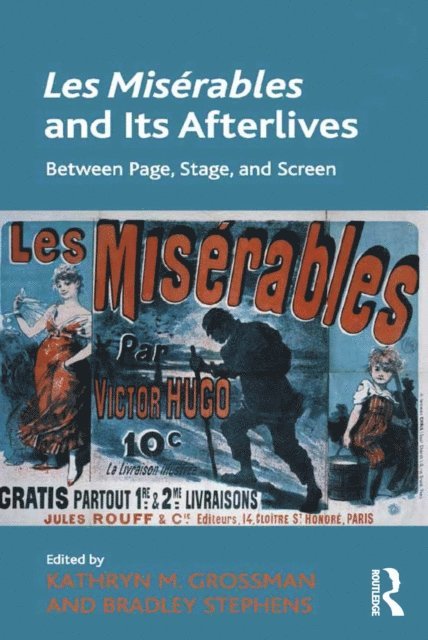
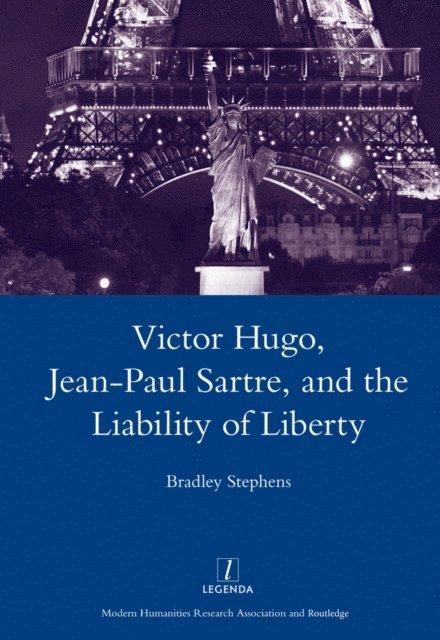
    Bradley Stephens is Professor of French Literature at the University of Bristol. His research spans French cultural studies since the nineteenth century, focusing particularly on phenomenology, multimedia adaptation, and gender studies. His publications include Victor Hugo, Jean-Paul Sartre, and the Liability of Liberty (2011) and a 2019 biography of Hugo.

    Recensioner i media

    'Stephens' landmark study of Hugo's writing offers much more than a persuasive re-examination of its literary-critical importance. This book tackles head on how Hugo's works pre-eminently unmake and remake notions of greatness – including his Pantheonization – that underpin (national) canons. This book is essential reading for why these, and Hugo, speak to today.' Mary Orr, Buchanan Chair of French, University of St Andrews

    Innehållsförteckning

    • Introduction: reputation and reality; 1. Masculinity, patriarchy, and power; 2. To the Panthéon: the making of the Grand Homme; 3. Fluidity and becoming; 4. Grandeur and androgyny: the unmaking of the Grand Homme; 5. The Homme Océan as literary hero; 6. A man's world?; 7. A world written in water; Conclusion: (re)writing the book on patriarchy; Bibliography.