• Fri frakt över 249 kr
  • •
  • Snabba leveranser
  • •
  • Billiga böcker
Kundservice

Du är på sajten för privatpersoner.

Företag, bibliotek eller offentlig verksamhet?

Du handlar på classic.bokus.com, där alla dina funktioner finns intakta.
Till classic.bokus.com
Bokus logotyp. Gå till startsidan.
  • Erbjudanden
  • Nyheter
  • Student
  • Topplistor
  • Barn & ungdom
  • Bokus Play
  • E-böcker
  • Pocketböcker
  • Spel & pussel

10% rabatt på allt med kod: NYSTART10 →

Sidfot

Mina sidor

    Hjälp

    • Kundservice
    • Vanliga frågor och svar
    • Frakt och leverans
    • Retur vid ångerrätt
    • Reklamera vara
    • Betalning
    • Köpvillkor
    • Allmänna villkor
    • Information om webbplatsens tillgänglighet

    Om Bokus

    • Om oss
    • Pressrum
    • För studenter
    • För företag
    • För bibliotek och offentlig verksamhet
    • För leverantörer
    • Hållbarhet

    Populärt

    • Aktuella erbjudanden
    • Presentkort
    • Studentlitteratur
    • Nya böcker
    • Topplistor
    • Signerade böcker
    • Engelska böcker

    Inspiration

    • Boktips
    • BookTok
    • Populära bokserier
    • Barnbokskaraktärer
    • Populära författare
    Logotyp för Bokus
    Följ oss på Facebook (extern länk)Följ oss på Instagram (extern länk)Följ oss på YouTube (extern länk)Följ oss på TikTok (extern länk)
    bokus @ CookiesAnpassa cookiesIntegritetspolicyKöpvillkor
    Till Citymail hemsida (extern länk)Till Budbee hemsida (extern länk)Till Postnord hemsida (extern länk)Till Schenker hemsida (extern länk)Till Early Bird hemsida (extern länk)Till Walleys hemsida (extern länk)
    1. Historia och arkeologi
    2. Historia
    3. Historia: särskilda händelser och ämnen
    4. Slaveri

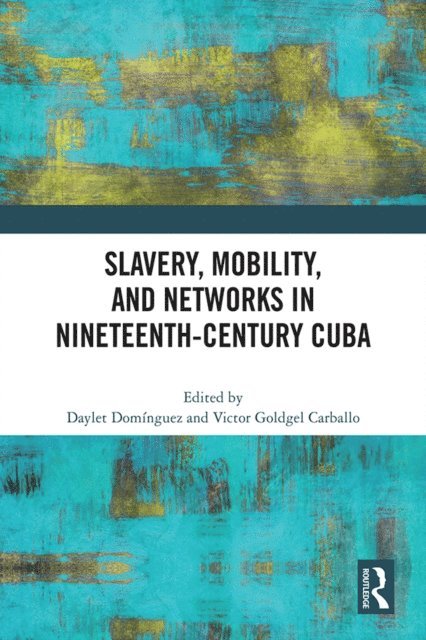
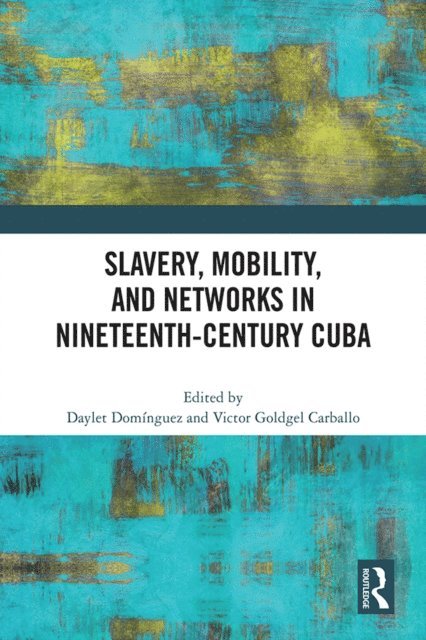
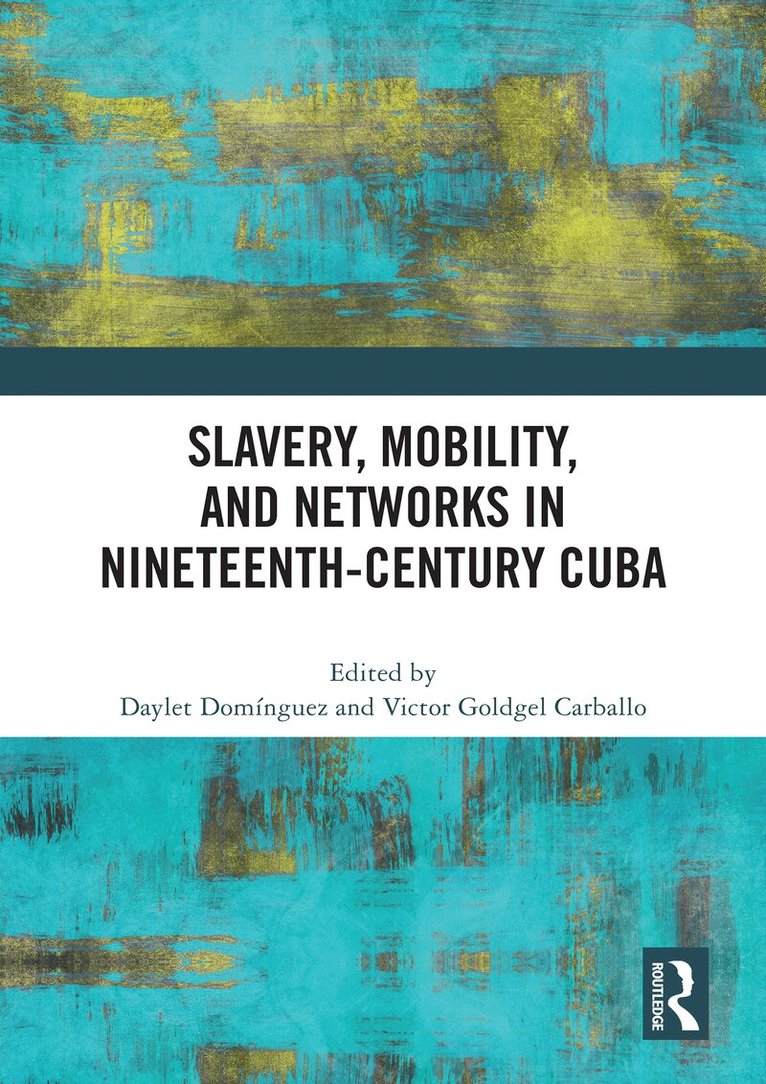
    Slavery, Mobility, and Networks in Nineteenth-Century Cuba

    AvDaylet Domínguez,Victor Goldgel Carballo

    Inbunden, Engelska, 2023

    2 493 kr

    Beställningsvara. Skickas inom 10-15 vardagar. Fri frakt över 249 kr.

    Beskrivning

    With a focus on nineteenth century Cuba, this volume examines understudied forms of mobility and networks that emerged during Second Slavery. After being forcibly taken across the Atlantic, enslaved Africans were moved within Cuba, and sometimes sold to owners in other Caribbean islands or the U.S. South. The chapters included in this book, written by historians and literary critics, pay special attention to debates between abolitionists and proslavery ideologues, the ways in which people and ideas moved from the countryside to the city, from one Caribbean Island to the next, and from the United States or the coasts of West Africa to the sugarcane fields. They examine how enslaved persons ran away or were captured and coerced to relocate; how they mobilized information and ideas to ameliorate their situation; and how they were used to advance other people’s interests. Movement, these chapters show, was regularly deployed to reinforce enslavement and the suppression of rights, while at times helping people in their struggle for freedom.This book will be a great resource for academics, researchers, and advanced students of Latin American Literature, Global Slavery and Postcolonial Studies. The chapters were originally published in the journal Atlantic Studies: Global Currents.

    Produktinformation

    • Utgivningsdatum:2023-09-06
    • Mått:174 x 246 x 12 mm
    • Vikt:380 g
    • Format:Inbunden
    • Språk:Engelska
    • Antal sidor:132
    • Förlag:Taylor & Francis Ltd
    • ISBN:9781032523354

    Utforska kategorier

    • Slaveri inom Historia och arkeologi
    • Amerikas historia inom Historia och arkeologi

    Mer om författaren

    Daylet Domínguez, (PhD Princeton University), is Associate Professor in the Spanish and Portuguese Department of University California, Berkeley, USA.Víctor Goldgel Carballo, (PhD University of California, Berkeley), is Professor in the Department of Spanish and Portuguese at the University of Wisconsin, Madison, USA.

    Innehållsförteckning

    • Introduction 1. Teresa Mina’s journeys: “Slave-moving,” mobility, and gender in mid-nineteenth-century Cuba 2. Forty-one years a slave: Agnosia and mobility in nineteenth-century Cuba 3. Slaveholders in the South: The networks of Cubans and Southerners in the age of the second slavery 4. Traveling tropes: Race, reconstruction, and “Southern” redemption in The Story of Evangelina Cisneros 5. The journey of Víctor Lucumí Chappotín from Saint-Domingue to Cuba: Slavery, autonomy, and property, 1797–1841 6. Getting locked up to get free in colonial Cuba