• Fri frakt över 249 kr
  • •
  • Snabba leveranser
  • •
  • Billiga böcker
Kundservice

Du är på sajten för privatpersoner.

Företag, bibliotek eller offentlig verksamhet?

Du handlar på classic.bokus.com, där alla dina funktioner finns intakta.
Till classic.bokus.com
Bokus logotyp. Gå till startsidan.
  • Erbjudanden
  • Nyheter
  • Student
  • Topplistor
  • Barn & ungdom
  • Bokus Play
  • E-böcker
  • Pocketböcker
  • Spel & pussel

10% rabatt på allt med kod: NYSTART10 →

Sidfot

Mina sidor

    Hjälp

    • Kundservice
    • Vanliga frågor och svar
    • Frakt och leverans
    • Retur vid ångerrätt
    • Reklamera vara
    • Betalning
    • Köpvillkor
    • Allmänna villkor
    • Information om webbplatsens tillgänglighet

    Om Bokus

    • Om oss
    • Pressrum
    • För studenter
    • För företag
    • För bibliotek och offentlig verksamhet
    • För leverantörer
    • Hållbarhet

    Populärt

    • Aktuella erbjudanden
    • Presentkort
    • Studentlitteratur
    • Nya böcker
    • Topplistor
    • Signerade böcker
    • Engelska böcker

    Inspiration

    • Boktips
    • BookTok
    • Populära bokserier
    • Barnbokskaraktärer
    • Populära författare
    Logotyp för Bokus
    Följ oss på Facebook (extern länk)Följ oss på Instagram (extern länk)Följ oss på YouTube (extern länk)Följ oss på TikTok (extern länk)
    bokus @ CookiesAnpassa cookiesIntegritetspolicyKöpvillkor
    Till Citymail hemsida (extern länk)Till Budbee hemsida (extern länk)Till Postnord hemsida (extern länk)Till Schenker hemsida (extern länk)Till Early Bird hemsida (extern länk)Till Walleys hemsida (extern länk)
    1. Skönlitteratur
    2. Litteraturvetenskap
    3. Litteraturvetenskap

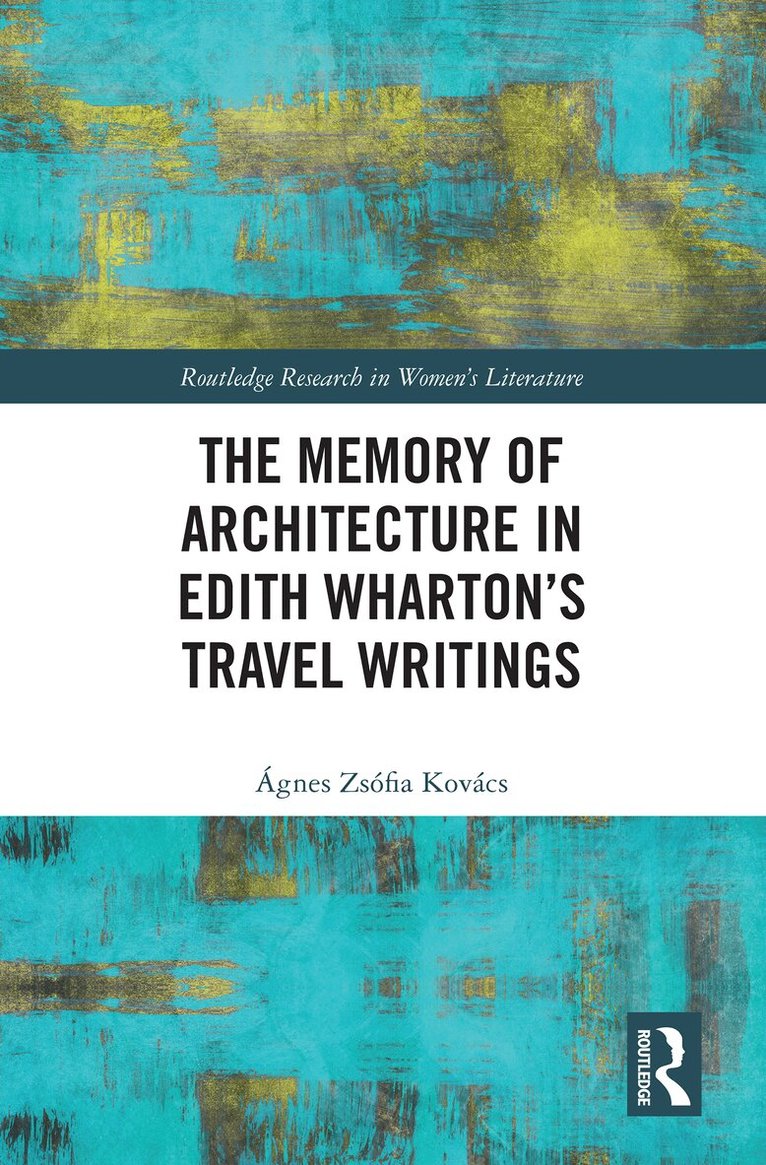
    Memory of Architecture in Edith Wharton’s Travel Writings

    AvÁgnes Zsófia Kovács

    Inbunden, Engelska, 2024

    Del i serien Routledge Research in Women's Literature

    2 784 kr

    Beställningsvara. Skickas inom 10-15 vardagar. Fri frakt över 249 kr.

    Fler format och utgåvor

    Häftad

    783 kr

    Beskrivning

    Edith Wharton was not only the author of novels and short stories but also of drama, poetry, autobiography, interior decoration, and travel writing. This study focuses on Wharton’s symbolic representations of architecture in her travel writings. It shows how a network of allusions to travel writing and art history books influenced Wharton’s representations of architectural and natural spaces. The book demonstrates Wharton’s complex relationship to works of art historians (John Ruskin, Émile Mâle, Arthur C. Porter) and travel authors (Wolfgang Goethe, Henry Adams, Henry James) in the trajectory of her travel writing. Kovács surveys how the acknowledgment of Wharton’s sources sheds light both on the author’s model of aesthetic understanding and scenic architectural descriptions, and how the shock of the Great War changed Wharton’s travel destinations but not her symbolic view of architecture as a mediator of things past. Wharton’s symbolic representations of architecture provide a new key to her travel writings.

    Produktinformation

    • Utgivningsdatum:2024-09-13
    • Mått:152 x 229 x 17 mm
    • Vikt:453 g
    • Format:Inbunden
    • Språk:Engelska
    • Serie:Routledge Research in Women's Literature
    • Antal sidor:212
    • Förlag:Taylor & Francis Ltd
    • ISBN:9781032580265

    Utforska kategorier

    • Litteraturvetenskap inom Skönlitteratur

    Mer om författaren

    Ágnes Zsófia Kovács is Associate Professor at the Department of American Studies, University of Szeged, Hungary. Her research interests include late-nineteenth-century proto-modern fiction, conversions of literary modernisms, popular fiction genres, and contemporary multicultural American fiction. Her current research into travel writing involves remapping travel texts by Edith Wharton. She has published two books, The Function of the Imagination in the Writings of Henry James: The Production of a Civilized Experience (2006) and Literature in Context (2010), co-edited Space, Gender and the Gaze (2017), and edited Edith Wharton’s Osprey Notes (2021). She sits on the editorial boards of Americana E-Journal and TNTeF E-Journal, Szeged; and Acta Philologica, Cluj (RO).

    Innehållsförteckning

    • AcknowledgementsList of illustrationsIntroduction1. Wharton’s view of cultural continuity in Italian Villas (1904) and Their Gardens (1905)Influences and editorial interventionsVillas and traditionWharton’s definition of “villa”Renaissance tourBaroque tourVillas and art historyNature and culture in garden architectureManners in garden architectureWriting the history of art and architecture2. Uncatalogued treasures: Travels in art history via Edith Wharton’s Italian Backgrounds (1905)Sources and bookThe seen and the unseen: John Ruskin’s ItalyPublication and receptionWharton’s visions of Italy: “deconventionalized” scenesForeground and backgroundScenes of observationFact and fancy in Wharton’s painterly visionWharton’s backgrounds3. Historical Continuity in A Motor-Flight Through France (1908)Influences, editing and illustrations, contemporary reviewsHistorical continuity in spaceContinuity in landscape and architectureRenovations contra ruinsCathedrals as symbols: a sentimental model of appreciating continuityThe stakes of historical understanding in Wharton4. The war of images: Edith Wharton’s architectural reports of war in Fighting France (1915)Antecedents, articles to book, early reviewsVisions of war and cultural destruction in Fighting FranceThe role of art history and propaganda in Wharton’s language of war5. A Motor-Flight Through North Africa: The Miracle of MoroccoComposition, publication, contemporary receptionWharton’s Moroccan Orient: history, dreams, womenFacts and dreams of the Moroccan pastMoroccan haremsWharton’s architectural vision in her colonial war reports6. Edith Wharton’s quest for historical continuity in the AegeanAntecedents and publication history: Homer, Goethe, and Ruskin in the typescriptObserving architecture in The Cruise of the VanadisArchitectural vision in the Osprey NotesAbsence and presence of the past in Athens and Crete7. Edith Wharton’s travel fragments about SpainWhere the fragments come from: Wharton’s readings in art historySt. James’s Way: Wharton’s Spanish cathedral trail in the “Spain Diary,” “Back to Compostela” and “A Motor-Flight Through Spain”Architectural vision in “A Motor-Flight Through Spain”ConclusionIndex