Inbunden, Engelska, 2026
Animals in Modern and Postmodern Architecture
2585 kr
Beställningsvara. Skickas inom 10-15 vardagar. Fri frakt över 249 kr.
Beskrivning
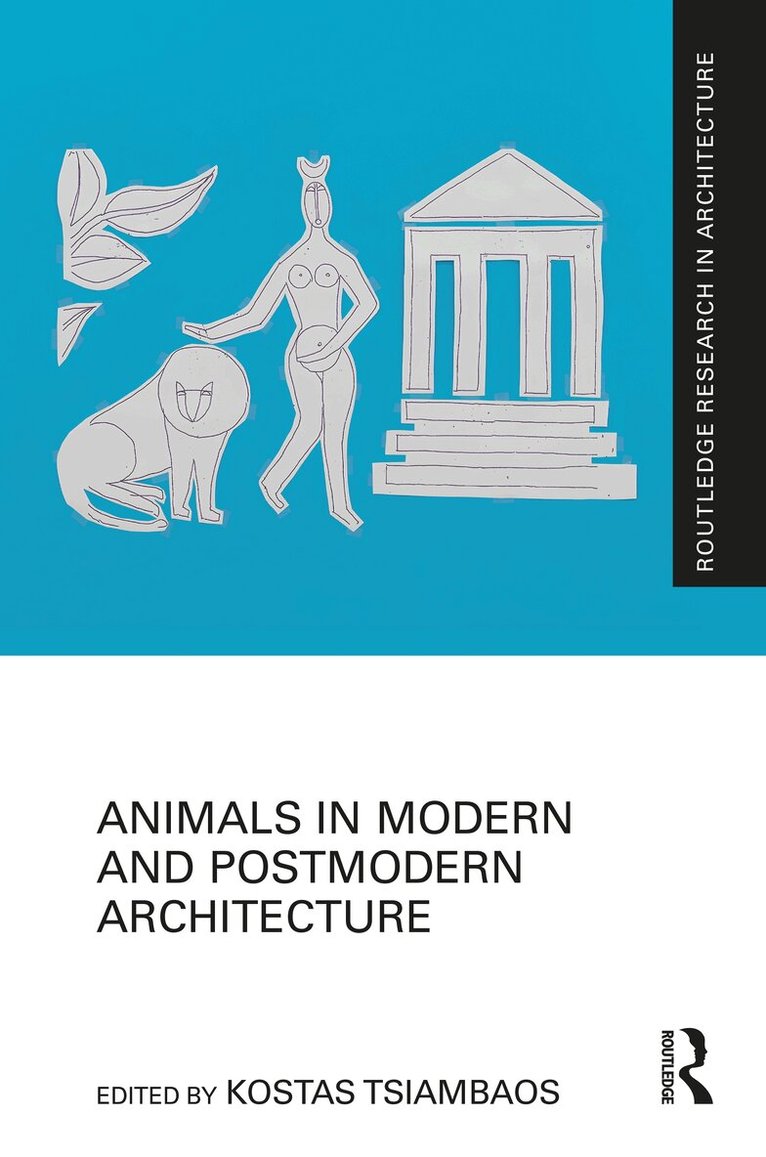
The book focuses on specific case studies from modern and postmodern architecture where animals stand out as agents that contribute to a broader political, cultural, and environmental critique.The various entangled, convoluted animal references and representations are not only seen as products of the architects’ sublimation but also as critical reflections of the architects’ active civic engagement and their role in the intellectual environment of their times. Such an interpretive charting of animals in architecture comes to define an alternative, contemporary field of research for architectural history, theory, and criticism, which is also in dialogue with current scholarship in the fields of animal studies, posthumanism, and environmentalism. Le Corbusier’s dogs, Hassan Fathy’s cows, Dimitris Pikionis’ goats, Gerard Moerdijk’s elephants, Alison Smithson’s cats, Yona Friedman’s unicorns, Lina Bo Bardi’s pigs, Aris Konstantinidis’ lizards, John Hejduk’s centipedes … Why do these animals appear, and in which context? What is their latent philosophical and ideological content? In which ways do they express critical stances against modernity? How do they relate to founding myths and cultural identities? What kind of unconscious doubts, resistances, and anxieties do they cover?The book will be of interest to scholars and students of architecture and urban planning, as well as to those interested in human-animal relations in the fields of art history, history of ideas, and critical theory.
Produktinformation
- Utgivningsdatum: 2026-10-12
- Mått: 156 x 234 x undefined mm
- Vikt: 530 g
- Format: Inbunden
- Språk: Engelska
- Serie: Routledge Research in Architecture
- Antal sidor: 188
- Förlag: Taylor & Francis Ltd
- ISBN: 9781032603650
Utforska kategorier
Betyg & recensioner
0 recensioner
Inga recensioner tillgängliga.