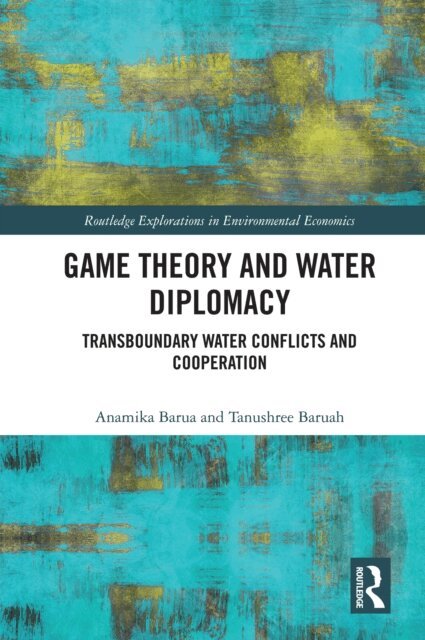
E-bok, Engelska, 2025
Game Theory and Water Diplomacy
Av Tanushree Baruah, Anamika Barua
805 kr
Läs direkt i Bokus Reader – eller ladda ned till din enhet
Beskrivning
Transboundary water negotiations are complex as they are driven by diverse national interests, multiple legal and policy frameworks, historical, and asymmetric power relations. To induce the states to move from a national unilateral agenda to a shared cooperative agenda requires several rounds of dialogues and negotiations.This book shows that the strategic interaction between the parties in these negotiations can be fruitfully analysed using the tools and techniques of game theory. After an introduction to game theory and the relevant models, the book explores three key cases from South Asian river basins - Indus, Brahmaputra, and Ganges. Every river basin is unique; options and choices available for negotiations are context specific. Therefore, there is no single path or 'one size fits all' transboundary interaction. The choice and the strategies a nation state adopts to gain the most preferred outcome depend on the choices and the strategies the other state is making. Thus, the book examines the specifics of each case - including the role of geographical position, power relation, policies (internal and external), access to information, rationality, as well as third-party intervention in a negotiating state's position during transboundary interaction - and explores what the application of game theory can reveal about each of the parties, their positions, and the strategies for achieving their goals.This book is essential reading for researchers in water economics, water diplomacy and conflict, water security, and South Asian studies.
Produktinformation
- Utgivningsdatum: 2025-11-11
- Språk: Engelska
- Filformat: EPUB
- Kopieringsskydd: LCP
- ISBN: 9781040721179
- Förlag: Taylor & Francis
Utforska kategorier
- Inga kategorier tillgängliga.
Betyg & recensioner
0 recensioner
Inga recensioner tillgängliga.