Almond Garden of Kabul
187 kr
Skickas . Fri frakt över 249 kr.
Du är på sajten för privatpersoner.
187 kr
Skickas . Fri frakt över 249 kr.
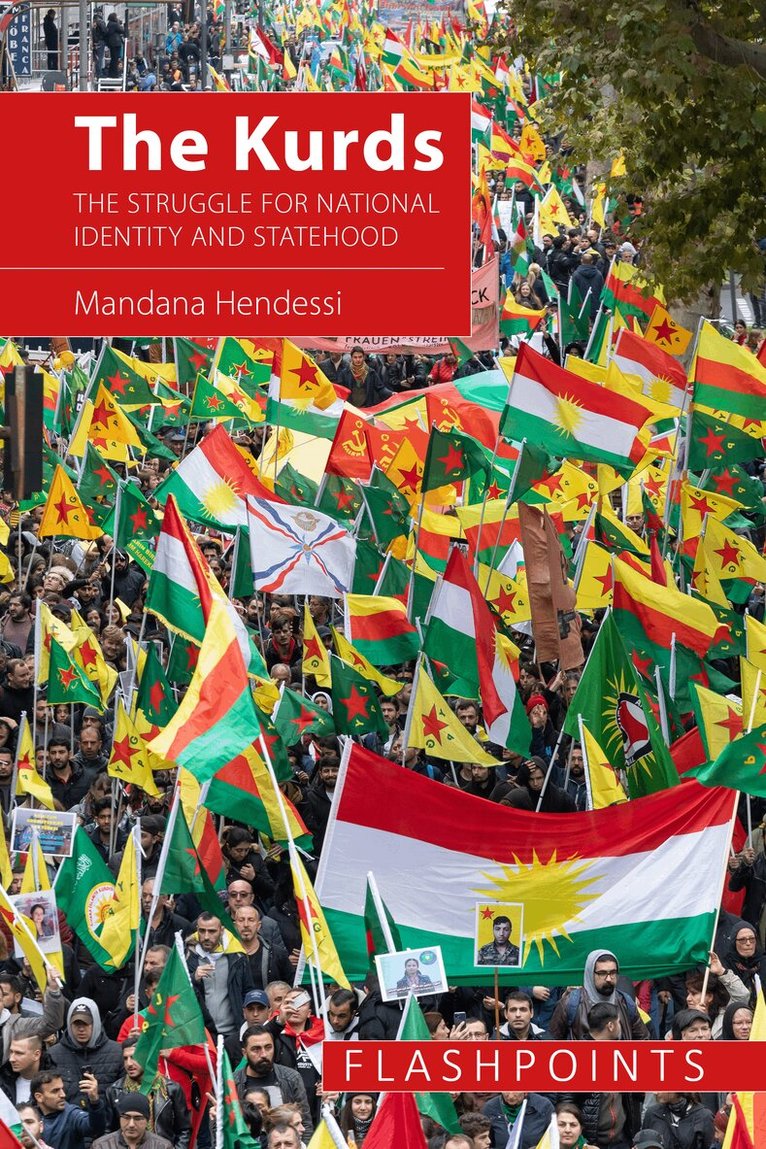
Mandana Hendessi (OBE) has spent over thirty years working on women’s rights and empowerment in some of the world’s most fragile places. Between 2008 and 2016, she lived and worked in Kabul, often visiting Afghanistan’s largest women’s prison – a place of dimly lit cells, whispered confidences, and bolani frying on makeshift stoves. Over countless glasses of tea, she listened to stories of injustice and defiance that would inspire The Almond Garden of Kabul. Her debut novel carries the voices of those women – raw, courageous, and unforgettable. Mandana is also the author of The Kurds: The Struggle for National Identity and Statehood (Agenda Publishing, 2024) and co-author of The Elgar Companion to Gender and Global Migration: Beyond Western Research (Edward Elgar Publishing, 2023). Her article on the criminalisation of Afghan women’s sexuality, written as a prelude to The Almond Garden of Kabul, appeared in Missing Perspectives in 2023.
‘An astonishing book. Wonderfully written, stories beautifully told. In the darkest of places, there is also light and love, defiance and dignity. You will not forget the remarkable women of Badam Bagh prison. And you shouldn’t – because their story is true.’—Lyse Doucet, CM OBE, BBC’s Chief International Correspondent, author of The Finest Hotel in Kabul ///‘As searing and unforgettable as The Shawshank Redemption – a shocking story of women’s oppression and resilience against the backdrop of “democratic” Afghanistan. A story of female love, friendship and endurance. A must read for everyone who wants to understand the failures of Westernisation of this country through the eyes of its primary victims: women.’—Dr Loretta Napoleoni, Economist and award-winning author of Technocapitalism ///‘Mandana Hendessi’s novel is based on the lived reality of the most oppressed Afghan women in 21st century. She powerfully raises the voice of the voiceless. As we read through this beautifully written novel, we become aware of women’s agency seeking empowerment – refusing to be the passive victims. We also read how some women survive by enforcing patriarchal norms; choosing to be on the side of the powerful rather than focusing on gender justice. This novel is different from other books on Afghan women. It’s an important source of Afghanistan’s oral history based on gripping narratives. It’s a great contribution to literature. Furthermore, it’s an important contribution to our knowledge as academics, advocacy groups and policy makers.’ —Dr Elaheh Rostami-Povey, retired academic, University of London, author of Afghan Women: Identity and Invasion ///‘The women in this novel blaze with defiance and resilience. A powerful testament to the refusal to be silenced against all the odds.’ —Lillie Razvi Toon, project manager at Untold Narratives, co-editor of My Dear Kabul: A Year in the Life of an Afghan Women’s Writing Group ///‘Afghanistan is the worst country in the world to be a woman. This novel exposes the hardship many women face there but also their quiet dissent, resilience and solidarity... Mandana’s deep knowledge of the country breathes life into this moving novel which is inspired by true events!’—Baroness Fiona Hodgson of Abinger, CBE, and fellow campaigner for the rights of Afghan women ///‘In 2010, Mandana Hendessi was working for an international NGO and supported Afghan women at risk from gender-based violence before she volunteered in a Kabul women’s prison. The women she met in Badam Bagh appear as unforgettable characters in her debut novel, The Almond Garden of Kabul. Inmates are puzzled by the self-immolation of a young prisoner. Illiterate but resourceful Sultan, who dresses and acts like a man – she is saving up for a sex change operation in Iran after her release – investigates. The Almond Garden of Kabul is based on real events. Its portrayal of Afghan women defies western stereotypes of the boundaries of gender in a patriarchal religious society.’—Malu Halasa, editor of The Markaz Review, author of Mother of All Pigs
Du är på sajten för privatpersoner.
187 kr
Skickas . Fri frakt över 249 kr.
Mandana Hendessi (OBE) has spent over thirty years working on women’s rights and empowerment in some of the world’s most fragile places. Between 2008 and 2016, she lived and worked in Kabul, often visiting Afghanistan’s largest women’s prison – a place of dimly lit cells, whispered confidences, and bolani frying on makeshift stoves. Over countless glasses of tea, she listened to stories of injustice and defiance that would inspire The Almond Garden of Kabul. Her debut novel carries the voices of those women – raw, courageous, and unforgettable. Mandana is also the author of The Kurds: The Struggle for National Identity and Statehood (Agenda Publishing, 2024) and co-author of The Elgar Companion to Gender and Global Migration: Beyond Western Research (Edward Elgar Publishing, 2023). Her article on the criminalisation of Afghan women’s sexuality, written as a prelude to The Almond Garden of Kabul, appeared in Missing Perspectives in 2023.
‘An astonishing book. Wonderfully written, stories beautifully told. In the darkest of places, there is also light and love, defiance and dignity. You will not forget the remarkable women of Badam Bagh prison. And you shouldn’t – because their story is true.’—Lyse Doucet, CM OBE, BBC’s Chief International Correspondent, author of The Finest Hotel in Kabul ///‘As searing and unforgettable as The Shawshank Redemption – a shocking story of women’s oppression and resilience against the backdrop of “democratic” Afghanistan. A story of female love, friendship and endurance. A must read for everyone who wants to understand the failures of Westernisation of this country through the eyes of its primary victims: women.’—Dr Loretta Napoleoni, Economist and award-winning author of Technocapitalism ///‘Mandana Hendessi’s novel is based on the lived reality of the most oppressed Afghan women in 21st century. She powerfully raises the voice of the voiceless. As we read through this beautifully written novel, we become aware of women’s agency seeking empowerment – refusing to be the passive victims. We also read how some women survive by enforcing patriarchal norms; choosing to be on the side of the powerful rather than focusing on gender justice. This novel is different from other books on Afghan women. It’s an important source of Afghanistan’s oral history based on gripping narratives. It’s a great contribution to literature. Furthermore, it’s an important contribution to our knowledge as academics, advocacy groups and policy makers.’ —Dr Elaheh Rostami-Povey, retired academic, University of London, author of Afghan Women: Identity and Invasion ///‘The women in this novel blaze with defiance and resilience. A powerful testament to the refusal to be silenced against all the odds.’ —Lillie Razvi Toon, project manager at Untold Narratives, co-editor of My Dear Kabul: A Year in the Life of an Afghan Women’s Writing Group ///‘Afghanistan is the worst country in the world to be a woman. This novel exposes the hardship many women face there but also their quiet dissent, resilience and solidarity... Mandana’s deep knowledge of the country breathes life into this moving novel which is inspired by true events!’—Baroness Fiona Hodgson of Abinger, CBE, and fellow campaigner for the rights of Afghan women ///‘In 2010, Mandana Hendessi was working for an international NGO and supported Afghan women at risk from gender-based violence before she volunteered in a Kabul women’s prison. The women she met in Badam Bagh appear as unforgettable characters in her debut novel, The Almond Garden of Kabul. Inmates are puzzled by the self-immolation of a young prisoner. Illiterate but resourceful Sultan, who dresses and acts like a man – she is saving up for a sex change operation in Iran after her release – investigates. The Almond Garden of Kabul is based on real events. Its portrayal of Afghan women defies western stereotypes of the boundaries of gender in a patriarchal religious society.’—Malu Halasa, editor of The Markaz Review, author of Mother of All Pigs