• Fri frakt över 249 kr
  • •
  • Snabba leveranser
  • •
  • Billiga böcker
Kundservice

Du är på sajten för privatpersoner.

Företag, bibliotek eller offentlig verksamhet?

Du handlar på classic.bokus.com, där alla dina funktioner finns intakta.
Till classic.bokus.com
Bokus logotyp. Gå till startsidan.
  • Erbjudanden
  • Nyheter
  • Student
  • Topplistor
  • Barn & ungdom
  • Bokus Play
  • E-böcker
  • Pocketböcker
  • Spel & pussel

10% rabatt på allt med kod: NYSTART10 →

Sidfot

Mina sidor

    Hjälp

    • Kundservice
    • Vanliga frågor och svar
    • Frakt och leverans
    • Retur vid ångerrätt
    • Reklamera vara
    • Betalning
    • Köpvillkor
    • Allmänna villkor
    • Information om webbplatsens tillgänglighet

    Om Bokus

    • Om oss
    • Pressrum
    • För studenter
    • För företag
    • För bibliotek och offentlig verksamhet
    • För leverantörer
    • Hållbarhet

    Populärt

    • Aktuella erbjudanden
    • Presentkort
    • Studentlitteratur
    • Nya böcker
    • Topplistor
    • Signerade böcker
    • Engelska böcker

    Inspiration

    • Boktips
    • BookTok
    • Populära bokserier
    • Barnbokskaraktärer
    • Populära författare
    Logotyp för Bokus
    Följ oss på Facebook (extern länk)Följ oss på Instagram (extern länk)Följ oss på YouTube (extern länk)Följ oss på TikTok (extern länk)
    bokus @ CookiesAnpassa cookiesIntegritetspolicyKöpvillkor
    Till Citymail hemsida (extern länk)Till Budbee hemsida (extern länk)Till Postnord hemsida (extern länk)Till Schenker hemsida (extern länk)Till Early Bird hemsida (extern länk)Till Walleys hemsida (extern länk)
    1. Samhälle och politik
    2. Sociologi och antropologi
    3. Sociologi

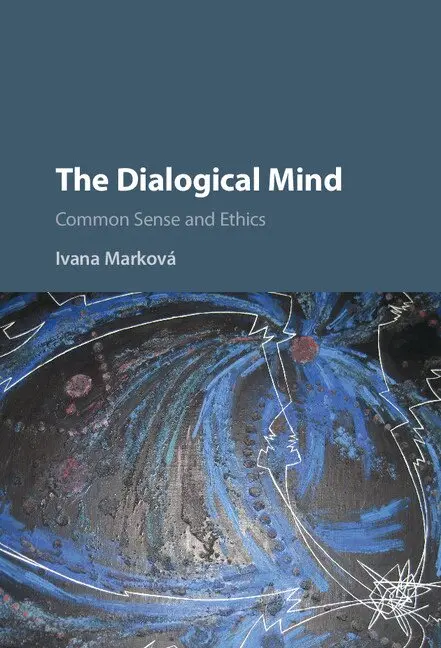
    The Dialogical Mind

    Common Sense and Ethics

    AvIvana Marková

    Inbunden, Engelska, 2016

    1 469 kr

    Beställningsvara. Skickas inom 10-15 vardagar. Fri frakt över 249 kr.

    Fler format och utgåvor

    Häftad

    463 kr

    Beskrivning

    Dialogue has become a central theoretical concept in human and social sciences as well as in professions such as education, health, and psychotherapy. This 'dialogical turn' emphasises the importance of social relations and interaction to our behaviour and how we make sense of the world; hence the dialogical mind is the mind in interaction with others - with individuals, groups, institutions, and cultures in historical perspectives. Through a combination of rigorous theoretical work and empirical investigation, Marková presents an ethics of dialogicality as an alternative to the narrow perspective of individualism and cognitivism that has traditionally dominated the field of social psychology. The dialogical perspective, which focuses on interdependencies among the self and others, offers a powerful theoretical basis to comprehend, analyse, and discuss complex social issues. Marková considers the implications of dialogical epistemology both in daily life and in professional practices involving problems of communication, care, and therapy.

    Produktinformation

    • Utgivningsdatum:2016-09-01
    • Mått:158 x 237 x 20 mm
    • Vikt:530 g
    • Format:Inbunden
    • Språk:Engelska
    • Antal sidor:260
    • Förlag:Cambridge University Press
    • ISBN:9781107002555

    Utforska kategorier

    • Sociologi inom Samhälle och politik

    Mer om författaren

    Ivana Marková is Professor Emeritus of Psychology at the University of Stirling, and Visiting Professor in the Department of Social Psychology at the London School of Economics and Political Science. She is a Fellow of the British Academy, the Royal Society of Edinburgh, and the British Psychological Society.

    Innehållsförteckning

    • Preface and acknowledgements; Figures; Introduction; Part I. 'Superior' and 'Inferior' Thinking and Knowing: 1. From mythos and irrationality towards logos and rationality; 2. Towards Giambattista Vico's common sense; 3. Common sense in humanities and social sciences; Conclusion to Part I; Part II. Dialogicality as Epistemology of Daily Life and of Professional Practices: 4. Ethics of the ego-alter-object relations; 5. Epistemic trust; 6. Epistemic responsibility; 7. The dialogical mind in professional practices; Conclusion to Part II; References; Index.