• Fri frakt över 249 kr
  • •
  • Snabba leveranser
  • •
  • Billiga böcker
Kundservice

Du är på sajten för privatpersoner.

Företag, bibliotek eller offentlig verksamhet?

Du handlar på classic.bokus.com, där alla dina funktioner finns intakta.
Till classic.bokus.com
Bokus logotyp. Gå till startsidan.
  • Erbjudanden
  • Student
  • Topplistor
  • Barn & ungdom
  • Bokus Play
  • E-böcker
  • Ljudböcker
  • Pocketböcker
  • Spel och pussel

5% studentrabatt – använd koden KURSBOK27 →

Sidfot

Mina sidor

    Hjälp

    • Kundservice
    • Vanliga frågor och svar
    • Frakt och leverans
    • Retur vid ångerrätt
    • Reklamera vara
    • Betalning
    • Köpvillkor
    • Allmänna villkor
    • Information om webbplatsens tillgänglighet

    Om Bokus

    • Om oss
    • Pressrum
    • För studenter
    • För företag
    • För bibliotek och offentlig verksamhet
    • För leverantörer
    • Hållbarhet

    Populärt

    • Aktuella erbjudanden
    • Presentkort
    • Studentlitteratur
    • Nya böcker
    • Topplistor
    • Signerade böcker
    • Engelska böcker

    Inspiration

    • Boktips
    • BookTok
    • Barnbokskaraktärer
    • Populära författare
    Logotyp för Bokus
    Följ oss på Facebook (extern länk)Följ oss på Instagram (extern länk)Följ oss på YouTube (extern länk)Följ oss på TikTok (extern länk)
    bokus @ CookiesAnpassa cookiesIntegritetspolicyKöpvillkor
    Till Citymail hemsida (extern länk)Till Budbee hemsida (extern länk)Till Postnord hemsida (extern länk)Till Schenker hemsida (extern länk)Till Early Bird hemsida (extern länk)Till Walleys hemsida (extern länk)
    1. Historia och arkeologi
    2. Arkeologi

    Maize

    Origin, Domestication, and its Role in the Development of Culture

    AvDuccio Bonavia

    Inbunden, Engelska, 2013

    1 900 kr

    Tillfälligt slut

    Beskrivning

    This book examines one of the thorniest problems of ancient American archaeology: the origins and domestication of maize. Using a variety of scientific techniques, Duccio Bonavia explores the development of maize, its adaptation to varying climates and its fundamental role in ancient American cultures. An appendix (by Alexander Grobman) provides the first-ever comprehensive compilation of maize genetic data, correlating this data with the archaeological evidence presented throughout the book. This book provides a unique interpretation of questions of dating and evolution, supported by extensive data, following the spread of maize from South to North America and eventually to Europe and beyond.

    Produktinformation

    • Utgivningsdatum:2013-05-13
    • Mått:185 x 262 x 39 mm
    • Vikt:1 440 g
    • Format:Inbunden
    • Språk:Engelska
    • Antal sidor:601
    • Förlag:Cambridge University Press
    • ISBN:9781107023031

    Utforska kategorier

    • Arkeologi inom Historia och arkeologi

    Mer om författaren

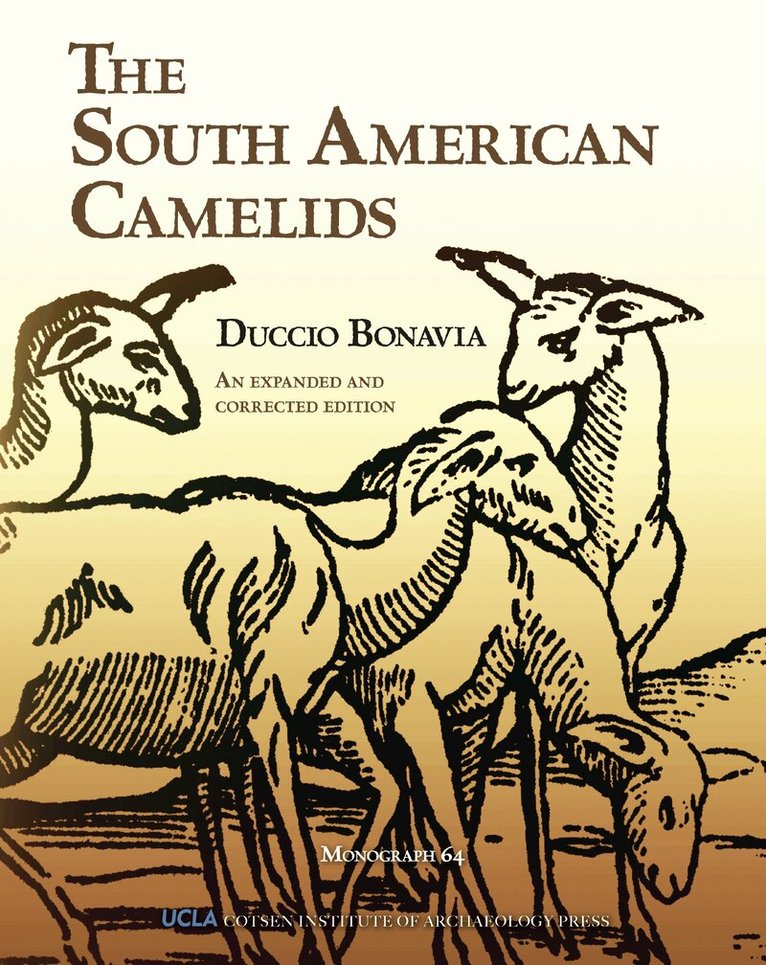
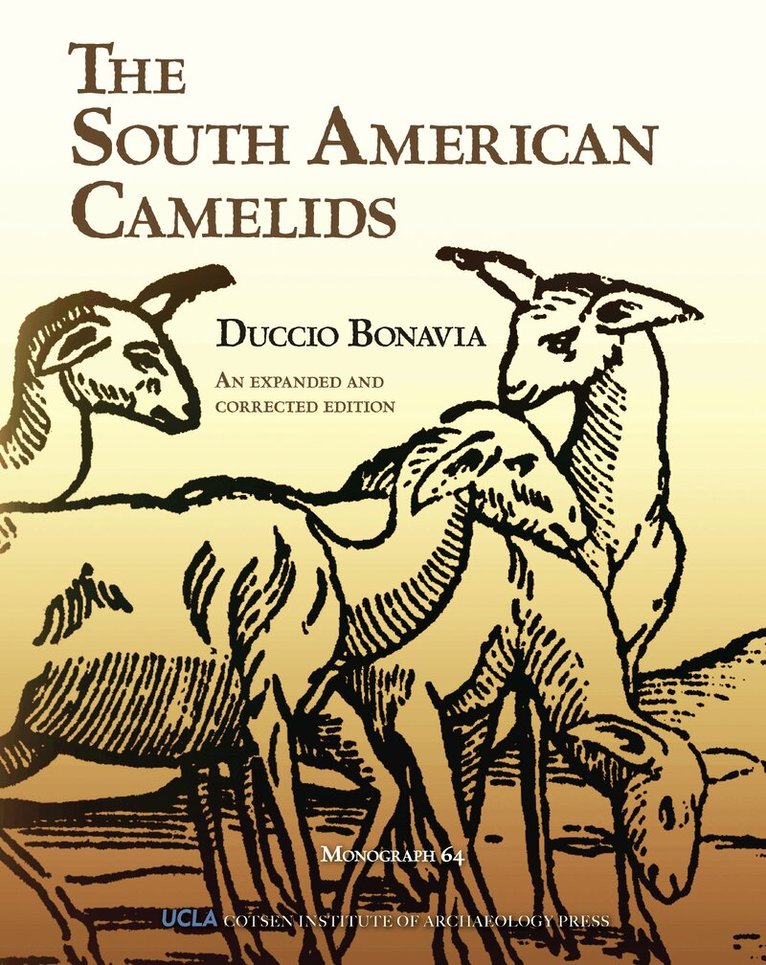
    Duccio Bonavia held professorships at Universidad Nacional Mayor de San Marcos, Universidad Nacional San Cristobal de Huamanga (Ayacucho) and at the Universidad Peruana Cayetano Heredia (Lima), before he retired in 2005. He served as the Assistant Director of the Museo Nacional de Arqueología y Antropología de Lima and has written fourteen books, including Peru: Hombre e Historia, Mural Paintings in Ancient Peru and The South American Camelids.

    Recensioner i media

    'Maize: Origin, Domestication, and its Role in the Development of Culture is perhaps best seen as a provoking and critical appraisal of the current corpus of evidence for the expert reader. Extensively and meticulously referenced, it provides a wealth of data to explore and a wealth of critical perspectives to consider.' Penny Jones, Archaeological Review from Cambridge

    Innehållsförteckning

    • 1. The maize problematic; 2. Maize as seen by Europeans; 3. The origin of maize; 4. The domestication of maize; 5. The archaeological evidence; 6. The role of maize in Andean culture; 7. Maize as seen by the first Europeans; 8. The dispersal of maize around the world; 9. Chica; 10. Discussion and conclusions; Appendix Alexander Grobman.