• Fri frakt över 249 kr
  • •
  • Snabba leveranser
  • •
  • Billiga böcker
Kundservice

Du är på sajten för privatpersoner.

Företag, bibliotek eller offentlig verksamhet?

Du handlar på classic.bokus.com, där alla dina funktioner finns intakta.
Till classic.bokus.com
Bokus logotyp. Gå till startsidan.
  • Erbjudanden
  • Nyheter
  • Student
  • Topplistor
  • Barn & ungdom
  • Bokus Play
  • E-böcker
  • Pocketböcker
  • Spel & pussel

10% rabatt på allt med kod: NYSTART10 →

Sidfot

Mina sidor

    Hjälp

    • Kundservice
    • Vanliga frågor och svar
    • Frakt och leverans
    • Retur vid ångerrätt
    • Reklamera vara
    • Betalning
    • Köpvillkor
    • Allmänna villkor
    • Information om webbplatsens tillgänglighet

    Om Bokus

    • Om oss
    • Pressrum
    • För studenter
    • För företag
    • För bibliotek och offentlig verksamhet
    • För leverantörer
    • Hållbarhet

    Populärt

    • Aktuella erbjudanden
    • Presentkort
    • Studentlitteratur
    • Nya böcker
    • Topplistor
    • Signerade böcker
    • Engelska böcker

    Inspiration

    • Boktips
    • BookTok
    • Populära bokserier
    • Barnbokskaraktärer
    • Populära författare
    Logotyp för Bokus
    Följ oss på Facebook (extern länk)Följ oss på Instagram (extern länk)Följ oss på YouTube (extern länk)Följ oss på TikTok (extern länk)
    bokus @ CookiesAnpassa cookiesIntegritetspolicyKöpvillkor
    Till Citymail hemsida (extern länk)Till Budbee hemsida (extern länk)Till Postnord hemsida (extern länk)Till Schenker hemsida (extern länk)Till Early Bird hemsida (extern länk)Till Walleys hemsida (extern länk)
    1. Filosofi och religion
    2. Filosofi

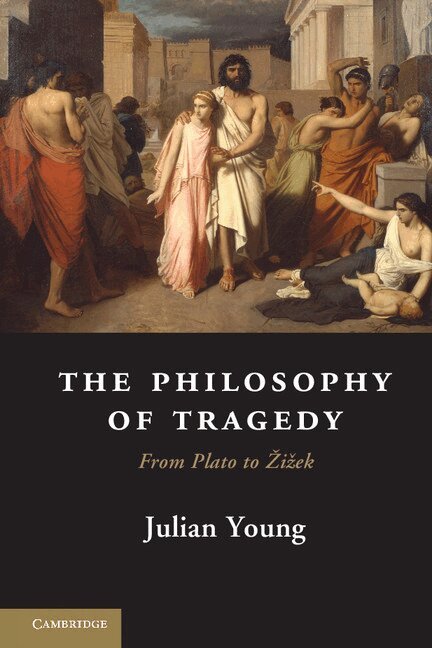
    The Philosophy of Tragedy

    From Plato to Žižek

    AvJulian Young

    Inbunden, Engelska, 2013

    1 067 kr

    Beställningsvara. Skickas inom 10-15 vardagar. Fri frakt över 249 kr.

    Fler format och utgåvor

    Häftad

    379 kr

    Beskrivning

    This book is a full survey of the philosophy of tragedy from antiquity to the present. From Aristotle to Žižek the focal question has been: why, in spite of its distressing content, do we value tragic drama? What is the nature of the 'tragic effect'? Some philosophers point to a certain kind of pleasure that results from tragedy. Others, while not excluding pleasure, emphasize the knowledge we gain from tragedy - of psychology, ethics, freedom or immortality. Through a critical engagement with these and other philosophers, the book concludes by suggesting an answer to the question of what it is that constitutes tragedy 'in its highest vocation'. This book will be of equal interest to students of philosophy and of literature.

    Produktinformation

    • Utgivningsdatum:2013-06-28
    • Mått:157 x 235 x 20 mm
    • Vikt:520 g
    • Format:Inbunden
    • Språk:Engelska
    • Antal sidor:294
    • Förlag:Cambridge University Press
    • ISBN:9781107025059

    Utforska kategorier

    • Filosofi inom Filosofi och religion

    Mer om författaren

    Julian Young is William R. Kenan Professor of Humanities at Wake Forest University. He has written eleven books, which have been translated into Turkish, Chinese, Iranian, Greek, Portuguese and Polish. His most recent book, Friedrich Nietzsche: A Philosophical Biography, won the Association of American Publishers 2010 PROSE Award for philosophy and was selected by Choice as an 'Outstanding Academic Title' of 2010. Young has written for the Guardian, New York Times and Harper's Magazine and has appeared on radio and TV in New Zealand, Ireland and the United States. In addition to more than fifty articles in philosophy journals and collections, he has published in the Journal of Clinical Neuroscience and the Journal of the Royal Musical Association.

    Recensioner i media

    '… a model of clear philosophical prose … keen philosophical insights … Some people read books to gain understanding; I suspect Young wrote this book to gain understanding. For philosophers or anyone else interested in tragedy, we should all be glad that he did.' The British Journal of Aesthetics

    Innehållsförteckning

    • 1. Plato; 2. Aristotle; 3. After Aristotle; 4. Hume; 5. Schelling; 6. Hölderlin; 7. Hegel; 8. Kierkegaard; 9. Schopenhauer; 10. Nietzsche; 11. Benjamin and Schmitt; 12. Heidegger; 13. Camus; 14. Arthur Miller; 15. Žižek; 16. Conclusions.