• Fri frakt över 249 kr
  • •
  • Snabba leveranser
  • •
  • Billiga böcker
Kundservice

Du är på sajten för privatpersoner.

Företag, bibliotek eller offentlig verksamhet?

Du handlar på classic.bokus.com, där alla dina funktioner finns intakta.
Till classic.bokus.com
Bokus logotyp. Gå till startsidan.
  • Erbjudanden
  • Nyheter
  • Student
  • Topplistor
  • Barn & ungdom
  • Bokus Play
  • E-böcker
  • Pocketböcker
  • Spel & pussel

10% rabatt på allt med kod: NYSTART10 →

Sidfot

Mina sidor

    Hjälp

    • Kundservice
    • Vanliga frågor och svar
    • Frakt och leverans
    • Retur vid ångerrätt
    • Reklamera vara
    • Betalning
    • Köpvillkor
    • Allmänna villkor
    • Information om webbplatsens tillgänglighet

    Om Bokus

    • Om oss
    • Pressrum
    • För studenter
    • För företag
    • För bibliotek och offentlig verksamhet
    • För leverantörer
    • Hållbarhet

    Populärt

    • Aktuella erbjudanden
    • Presentkort
    • Studentlitteratur
    • Nya böcker
    • Topplistor
    • Signerade böcker
    • Engelska böcker

    Inspiration

    • Boktips
    • BookTok
    • Populära bokserier
    • Barnbokskaraktärer
    • Populära författare
    Logotyp för Bokus
    Följ oss på Facebook (extern länk)Följ oss på Instagram (extern länk)Följ oss på YouTube (extern länk)Följ oss på TikTok (extern länk)
    bokus @ CookiesAnpassa cookiesIntegritetspolicyKöpvillkor
    Till Citymail hemsida (extern länk)Till Budbee hemsida (extern länk)Till Postnord hemsida (extern länk)Till Schenker hemsida (extern länk)Till Early Bird hemsida (extern länk)Till Walleys hemsida (extern länk)
    1. Historia och arkeologi
    2. Historia

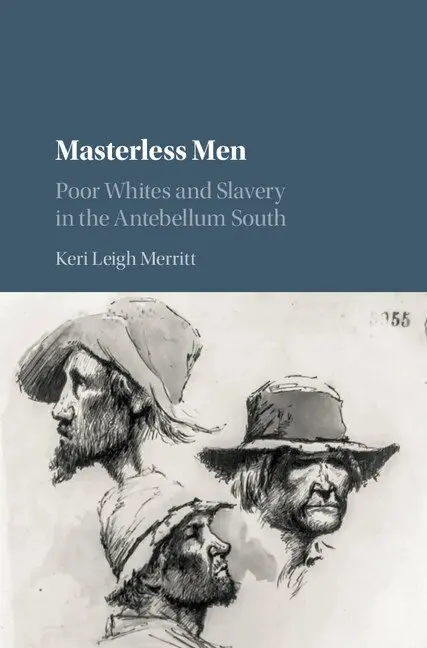
    Masterless Men

    Poor Whites and Slavery in the Antebellum South

    AvKeri Leigh Merritt

    Inbunden, Engelska, 2017

    Del i serien Cambridge Studies on the American South

    877 kr

    Beställningsvara. Skickas inom 10-15 vardagar. Fri frakt över 249 kr.

    Fler format och utgåvor

    Häftad

    337 kr

    Beskrivning

    Analyzing land policy, labor, and legal history, Keri Leigh Merritt reveals what happens to excess workers when a capitalist system is predicated on slave labor. With the rising global demand for cotton - and thus, slaves - in the 1840s and 1850s, the need for white laborers in the American South was drastically reduced, creating a large underclass who were unemployed or underemployed. These poor whites could not compete - for jobs or living wages - with profitable slave labor. Though impoverished whites were never subjected to the daily violence and degrading humiliations of racial slavery, they did suffer tangible socio-economic consequences as a result of living in a slave society. Merritt examines how these 'masterless' men and women threatened the existing Southern hierarchy and ultimately helped push Southern slaveholders toward secession and civil war.

    Produktinformation

    • Utgivningsdatum:2017-05-08
    • Mått:160 x 235 x 26 mm
    • Vikt:660 g
    • Format:Inbunden
    • Språk:Engelska
    • Serie:Cambridge Studies on the American South
    • Antal sidor:370
    • Förlag:Cambridge University Press
    • ISBN:9781107184244

    Utforska kategorier

    • Historia inom Historia och arkeologi

    Mer om författaren

    Keri Leigh Merritt is an independent scholar in Atlanta, Georgia. Merritt's work on poverty and inequality has garnered multiple awards, and she is a co-editor of a volume on American South labor history.

    Recensioner i media

    'In Masterless Men, Keri Leigh Merritt offers a sweeping analysis of how we should understand the place of poor whites in the larger narrative of the Old South. Her detailed examination of the Deep South's impoverished white class will deepen our understanding about the human and economic costs of America's system of black slavery.' Charles Bolton, University of North Carolina, Greensboro

    Innehållsförteckning

    • Introduction: the second degree of slavery; 1. The Southern origins of the Homestead Act; 2. The demoralization of labor; 3. Masterless (and militant) white workers; 4. Everyday life: material realities; 5. Literacy, education, and disfranchisement; 6. Vagrancy, alcohol, and crime; 7. Poverty and punishment; 8. Race, Republicans, and vigilante violence; 9. Class crisis and the Civil War; Conclusion: a duel emancipation; Appendix: numbers, percentages, and the census.