• Fri frakt över 249 kr
  • •
  • Snabba leveranser
  • •
  • Billiga böcker
Kundservice

Du är på sajten för privatpersoner.

Företag, bibliotek eller offentlig verksamhet?

Du handlar på classic.bokus.com, där alla dina funktioner finns intakta.
Till classic.bokus.com
Bokus logotyp. Gå till startsidan.
  • Erbjudanden
  • Student
  • Topplistor
  • Barn & ungdom
  • Bokus Play
  • E-böcker
  • Ljudböcker
  • Pocketböcker
  • Spel och pussel

5% studentrabatt – använd koden KURSBOK27 →

Sidfot

Mina sidor

    Hjälp

    • Kundservice
    • Vanliga frågor och svar
    • Frakt och leverans
    • Retur vid ångerrätt
    • Reklamera vara
    • Betalning
    • Köpvillkor
    • Allmänna villkor
    • Information om webbplatsens tillgänglighet

    Om Bokus

    • Om oss
    • Pressrum
    • För studenter
    • För företag
    • För bibliotek och offentlig verksamhet
    • För leverantörer
    • Hållbarhet

    Populärt

    • Aktuella erbjudanden
    • Presentkort
    • Studentlitteratur
    • Nya böcker
    • Topplistor
    • Signerade böcker
    • Engelska böcker

    Inspiration

    • Boktips
    • BookTok
    • Barnbokskaraktärer
    • Populära författare
    Logotyp för Bokus
    Följ oss på Facebook (extern länk)Följ oss på Instagram (extern länk)Följ oss på YouTube (extern länk)Följ oss på TikTok (extern länk)
    bokus @ CookiesAnpassa cookiesIntegritetspolicyKöpvillkor
    Till Citymail hemsida (extern länk)Till Budbee hemsida (extern länk)Till Postnord hemsida (extern länk)Till Schenker hemsida (extern länk)Till Early Bird hemsida (extern länk)Till Walleys hemsida (extern länk)
    1. Skönlitteratur
    2. Litteraturvetenskap

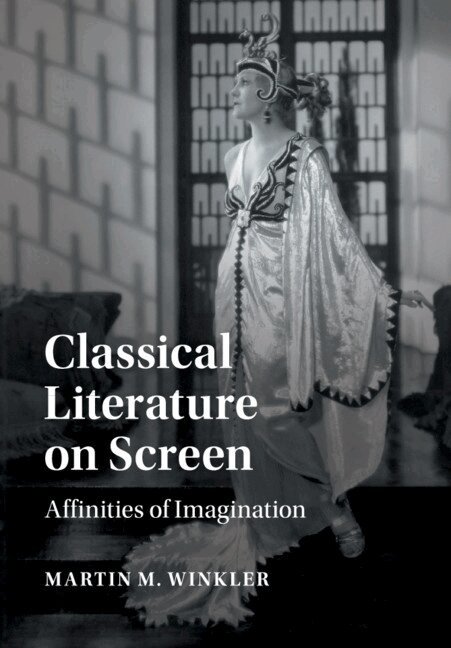
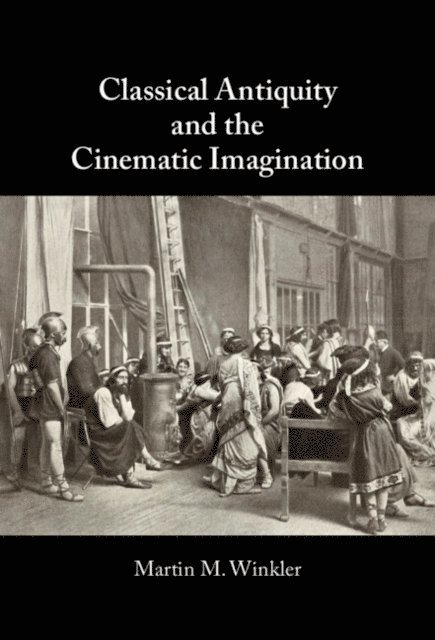
    Classical Literature on Screen

    Affinities of Imagination

    AvMartin M. Winkler

    Inbunden, Engelska, 2017

    1 802 kr

    Beställningsvara. Skickas inom 7-10 vardagar. Fri frakt över 249 kr.

    Fler format och utgåvor

    Häftad

    625 kr

    Beskrivning

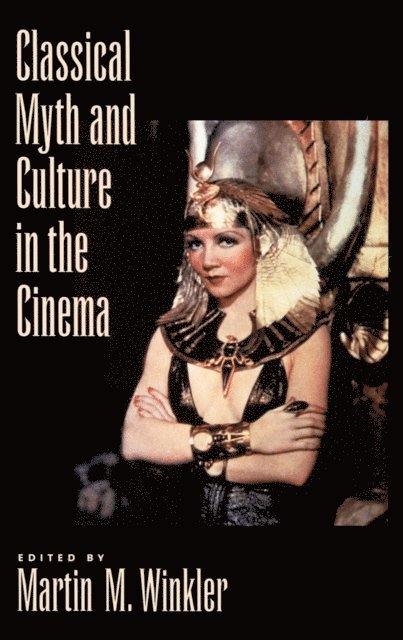
    Martin M. Winkler argues for a new approach to various creative affinities between ancient verbal and modern visual narratives. He examines screen adaptations of classical epic, tragedy, comedy, myth, and history, exploring, for example, how ancient rhetorical principles regarding the emotions apply to moving images and how Aristotle's perspective on thrilling plot-turns can recur on screen. He also interprets several popular films, such as 300 and Nero, and analyzes works by international directors, among them Pier Paolo Pasolini (Oedipus Rex, Medea), Jean Cocteau (The Testament of Orpheus), Mai Zetterling (The Girls), Lars von Trier (Medea), Arturo Ripstein (Such Is Life), John Ford (westerns), Alfred Hitchcock (Psycho), and Spike Lee (Chi-Raq). The book demonstrates the undiminished vitality of classical myth and literature in our visual media, as with screen portrayals of Helen of Troy. It is important for all classicists and scholars and students of film, literature, and history.

    Produktinformation

    • Utgivningsdatum:2017-09-14
    • Mått:188 x 260 x 24 mm
    • Vikt:1 000 g
    • Format:Inbunden
    • Språk:Engelska
    • Antal sidor:424
    • Förlag:Cambridge University Press
    • ISBN:9781107191280

    Utforska kategorier

    • Litteraturvetenskap inom Skönlitteratur

    Mer om författaren

    Martin M. Winkler is University Professor and Professor of Classics at George Mason University, Virginia. His most recent books are Cinema and Classical Texts: Apollo's New Light (Cambridge, 2009), The Roman Salute: Cinema, History, Ideology (2009), and Arminius the Liberator: Myth and Ideology (2015). He has also published numerous articles, book chapters, and reviews, and edited several essay collections on classical antiquity and film.

    Recensioner i media

    'In an era in which people seem to live eternally in the moment, books such as Classical Literature on Screen are required reading. Revealing his encyclopedic knowledge of both classical literature and classic (as well as contemporary) film, Winker looks at work from Pier Paolo Pasolini's and Jean Cocteau's visions of Oedipus and Pasolini's and Lars von Trier's interpretations of Medea to Spike Lee's update of Aristophanes' Lysistrata in his film Chi-Raq. The result is a book that constantly surprises and delights the reader. Here, Alfred Hitchcock meets Aristotelian poetics, John Ford is seen as the US's Virgil, and the film 300 is thoroughly dissected in a chapter titled 'Fascinating Ur-Fascism' (a nod to Susan Sontag). Winkler's readings are just as informed with classical antiquity as they are with the techniques of CGI in contemporary film, and his writing is lively and accessible. Illustrated throughout with an excellent series of stills, this is a fascinating, thrilling, continually surprising book.' Choice

    Innehållsförteckning

    • Part I. Creative Affinities: Ancient Texts and Modern Images: 1. The classical sense of cinema and the cinema's sense of antiquity; 2. Pasolini's and Cocteau's Oedipus: no quarrel of the ancients and the moderns in the cinema age; Part II. Elective Affinities: Tragedy and Comedy: 3. Medea's infanticide: how to present the unimaginable; 4. Striking beauty: Aristophanes' Lysistrat; Part III. Non-Elective Affinities: Plot and Theme: 5. 'More striking': Aristotelian poetics in Achilles Tatius, Heliodorus, and Alfred Hitchcock; 6. John Ford, America's Virgil; Part IV. Counter-Affinities: Ideological and Narrative Distortions of History: 7. Fascinating ur-fascism: the case of 300; 8. Good Nero; or, the best intentions; Part V. Aesthetic Affinities: portraits of ladies: 9. Regal beauties in Franco Rossi's films of the Odyssey and Aenid; 10. Helen of Troy: is this the face that launched a thousand films?