• Fri frakt över 249 kr
  • •
  • Snabba leveranser
  • •
  • Billiga böcker
Kundservice

Du är på sajten för privatpersoner.

Företag, bibliotek eller offentlig verksamhet?

Du handlar på classic.bokus.com, där alla dina funktioner finns intakta.
Till classic.bokus.com
Bokus logotyp. Gå till startsidan.
  • Erbjudanden
  • Nyheter
  • Student
  • Topplistor
  • Barn & ungdom
  • Bokus Play
  • E-böcker
  • Pocketböcker
  • Spel & pussel

10% rabatt på allt med kod NYSTART10 →

Sidfot

Mina sidor

    Hjälp

    • Kundservice
    • Vanliga frågor och svar
    • Frakt och leverans
    • Retur vid ångerrätt
    • Reklamera vara
    • Betalning
    • Köpvillkor
    • Allmänna villkor
    • Information om webbplatsens tillgänglighet

    Om Bokus

    • Om oss
    • Pressrum
    • För studenter
    • För företag
    • För bibliotek och offentlig verksamhet
    • För leverantörer
    • Hållbarhet

    Populärt

    • Aktuella erbjudanden
    • Presentkort
    • Studentlitteratur
    • Nya böcker
    • Topplistor
    • Signerade böcker
    • Engelska böcker

    Inspiration

    • Boktips
    • BookTok
    • Populära bokserier
    • Barnbokskaraktärer
    • Populära författare
    Logotyp för Bokus
    Följ oss på Facebook (extern länk)Följ oss på Instagram (extern länk)Följ oss på YouTube (extern länk)Följ oss på TikTok (extern länk)
    bokus @ CookiesAnpassa cookiesIntegritetspolicyKöpvillkor
    Till Citymail hemsida (extern länk)Till Budbee hemsida (extern länk)Till Postnord hemsida (extern länk)Till Schenker hemsida (extern länk)Till Early Bird hemsida (extern länk)Till Walleys hemsida (extern länk)
    1. Historia och arkeologi
    2. Historia

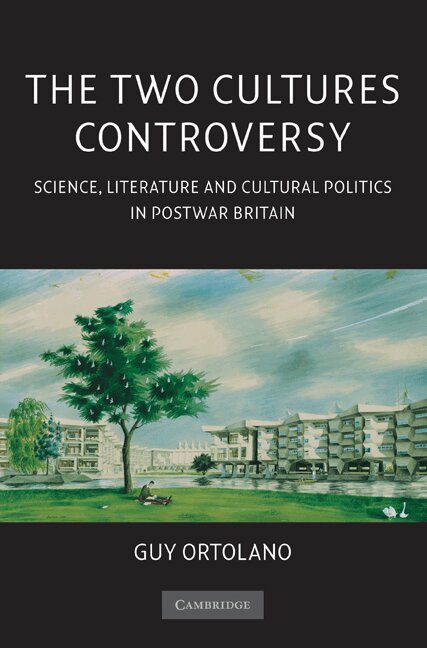
    The Two Cultures Controversy

    Science, Literature and Cultural Politics in Postwar Britain

    AvGuy Ortolano

    Häftad, Engelska, 2011

    615 kr

    Beställningsvara. Skickas inom 10-15 vardagar. Fri frakt över 249 kr.

    Fler format och utgåvor

    Inbunden

    1 375 kr

    Beskrivning

    Ever since the scientist-turned-novelist C. P. Snow clashed with literary critic F. R. Leavis in the early 1960s, it has been a commonplace to lament that intellectual life is divided between 'two cultures', the arts and sciences. Yet why did a topic that had long been discussed inspire such ferocious controversy at this particular moment? This book answers that question by recasting this dispute as an ideological conflict between competing visions of Britain's past, present, and future. It then connects the controversy to simultaneous arguments about the mission of the university, the methodology of social history, the reasons for 'national decline', and the fate of the former empire. By excavating the political stakes of the 'two cultures' controversy, this book explains the workings of cultural politics during the 1960s more generally, while also revising the meaning of a term that continues to be evoked to this day.

    Produktinformation

    • Utgivningsdatum:2011-05-05
    • Mått:152 x 229 x 18 mm
    • Vikt:460 g
    • Format:Häftad
    • Språk:Engelska
    • Antal sidor:308
    • Förlag:Cambridge University Press
    • ISBN:9781107402706

    Utforska kategorier

    • Historia inom Historia och arkeologi

    Mer om författaren

    Guy Ortolano teaches modern British history at New York University.

    Recensioner i media

    Review of the hardback: 'The Two Cultures Controversy provides a full and persuasive account of Snow's public roles during his years of fame and a thoughtful exploration of the ramifications of the debate surrounding his celebrated lecture. On these grounds, it will be of considerable value to cultural, educational and political historians of the period, as well as of interest to a wider readership curious about the origins and continuing significance of a famous phrase.' Stefan Collini, Twentieth Century British History

    Innehållsförteckning

    • Introduction; 1. C. P. Snow and the technocratic liberalism; 2. F. R. Leavis and the radical liberalism; 3. A tale of two colleges; 4. The making of English social history; 5. The rise of national 'decline'; 6. Post-colonial developments; 7. The eclipse of the meritocratic moment; Conclusion.