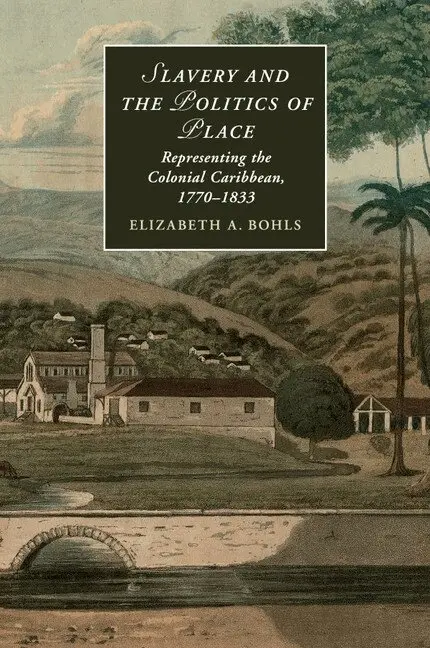
Häftad, Engelska, 2017
Slavery and the Politics of Place
640 kr
Beställningsvara. Skickas inom 5-8 vardagar. Fri frakt över 249 kr.
Beskrivning
Geography played a key role in Britain's long national debate over slavery. Writers on both sides of the question represented the sites of slavery - Africa, the Caribbean, and the British Isles - as fully imagined places and the basis for a pro- or anti-slavery political agenda. With the help of twenty-first-century theories of space and place, Elizabeth A. Bohls examines the writings of planters, slaves, soldiers, sailors, and travellers whose diverse geographical and social locations inflect their representations of slavery. She shows how these writers use discourses of aesthetics, natural history, cultural geography, and gendered domesticity to engage with the slavery debate. Six interlinked case studies, including Scottish mercenary John Stedman and domestic slave Mary Prince, examine the power of these discourses to represent the places of slavery, setting slaves' narratives in dialogue with pro-slavery texts, and highlighting in the latter previously unnoticed traces of the enslaved.
Produktinformation
- Utgivningsdatum: 2017-03-23
- Mått: 154 x 230 x 14 mm
- Vikt: 420 g
- Format: Häftad
- Språk: Engelska
- Serie: Cambridge Studies in Romanticism
- Antal sidor: 280
- Förlag: Cambridge University Press
- ISBN: 9781107438163
Utforska kategorier
Betyg & recensioner
0 recensioner
Inga recensioner tillgängliga.