• Fri frakt över 249 kr
  • •
  • Snabba leveranser
  • •
  • Billiga böcker
Kundservice

Du är på sajten för privatpersoner.

Företag, bibliotek eller offentlig verksamhet?

Du handlar på classic.bokus.com, där alla dina funktioner finns intakta.
Till classic.bokus.com
Bokus logotyp. Gå till startsidan.
  • Erbjudanden
  • Nyheter
  • Student
  • Topplistor
  • Barn & ungdom
  • Bokus Play
  • E-böcker
  • Pocketböcker
  • Spel & pussel

10% rabatt på allt med kod: NYSTART10 →

Sidfot

Mina sidor

    Hjälp

    • Kundservice
    • Vanliga frågor och svar
    • Frakt och leverans
    • Retur vid ångerrätt
    • Reklamera vara
    • Betalning
    • Köpvillkor
    • Allmänna villkor
    • Information om webbplatsens tillgänglighet

    Om Bokus

    • Om oss
    • Pressrum
    • För studenter
    • För företag
    • För bibliotek och offentlig verksamhet
    • För leverantörer
    • Hållbarhet

    Populärt

    • Aktuella erbjudanden
    • Presentkort
    • Studentlitteratur
    • Nya böcker
    • Topplistor
    • Signerade böcker
    • Engelska böcker

    Inspiration

    • Boktips
    • BookTok
    • Populära bokserier
    • Barnbokskaraktärer
    • Populära författare
    Logotyp för Bokus
    Följ oss på Facebook (extern länk)Följ oss på Instagram (extern länk)Följ oss på YouTube (extern länk)Följ oss på TikTok (extern länk)
    bokus @ CookiesAnpassa cookiesIntegritetspolicyKöpvillkor
    Till Citymail hemsida (extern länk)Till Budbee hemsida (extern länk)Till Postnord hemsida (extern länk)Till Schenker hemsida (extern länk)Till Early Bird hemsida (extern länk)Till Walleys hemsida (extern länk)
    1. Skönlitteratur
    2. Litteraturvetenskap
    3. Litteraturvetenskap

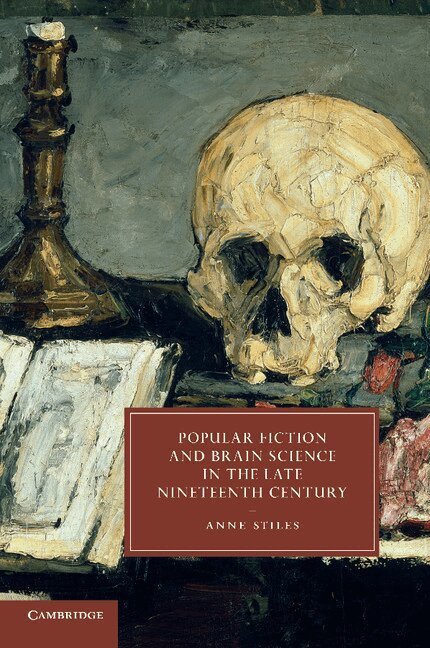
    Popular Fiction and Brain Science in the Late Nineteenth Century

    AvAnne Stiles

    Häftad, Engelska, 2014

    Del 78 i serien Cambridge Studies in Nineteenth-Century Literature and Culture

    533 kr

    Beställningsvara. Skickas inom 10-15 vardagar. Fri frakt över 249 kr.

    Fler format och utgåvor

    Inbunden

    1 477 kr

    Beskrivning

    In the 1860s and 1870s, leading neurologists used animal experimentation to establish that discrete sections of the brain regulate specific mental and physical functions. These discoveries had immediate medical benefits: David Ferrier's detailed cortical maps, for example, saved lives by helping surgeons locate brain tumors and haemorrhages without first opening up the skull. These experiments both incited controversy and stimulated creative thought, because they challenged the possibility of an extra-corporeal soul. This book examines the cultural impact of neurological experiments on late-Victorian Gothic romances by Robert Louis Stevenson, Bram Stoker, H. G. Wells and others. Novels like Dracula and Dr Jekyll and Mr Hyde expressed the deep-seated fears and visionary possibilities suggested by cerebral localization research, and offered a corrective to the linearity and objectivity of late Victorian neurology.

    Produktinformation

    • Utgivningsdatum:2014-08-21
    • Mått:152 x 229 x 15 mm
    • Vikt:370 g
    • Format:Häftad
    • Språk:Engelska
    • Serie:Cambridge Studies in Nineteenth-Century Literature and Culture
    • Antal sidor:274
    • Förlag:Cambridge University Press
    • ISBN:9781107442467

    Utforska kategorier

    • Litteraturvetenskap inom Skönlitteratur

    Mer om författaren

    Anne Stiles is Assistant Professor of English at St Louis University, Missouri.

    Recensioner i media

    "Popular Fiction and Brain Science in the Late Nineteenth Century establishes the genre of the gothic romance as a vital component of Victorian scienti*c culture, indisputably demonstrates the importance of literary products as primary sources for interpreting the history of neurology, and sets an impeccably high standard for scholarship in both literary studies and the history of science, medicine, and technology." -Stephen Casper, Project Muse

    Innehållsförteckning

    • Introduction: cerebral localization and the late Victorian Gothic romance; Part I. Reactionaries: 1. Robert Louis Stevenson's Jekyll and Hyde and the double brain; 2. Bram Stoker's Dracula and cerebral automatism; Part II. Materialists: 3. Photographic memory in the works of Grant Allen; Part III. Visionaries: 4. H. G. Wells and the evolution of the mad scientist; 5. Marie Corelli and the neuron; Epilogue; Looking forward.