• Fri frakt över 249 kr
  • •
  • Snabba leveranser
  • •
  • Billiga böcker
Kundservice

Du är på sajten för privatpersoner.

Företag, bibliotek eller offentlig verksamhet?

Du handlar på classic.bokus.com, där alla dina funktioner finns intakta.
Till classic.bokus.com
Bokus logotyp. Gå till startsidan.
  • Erbjudanden
  • Nyheter
  • Student
  • Topplistor
  • Barn & ungdom
  • Bokus Play
  • E-böcker
  • Pocketböcker
  • Spel & pussel

10% rabatt på allt med kod: NYSTART10 →

Sidfot

Mina sidor

    Hjälp

    • Kundservice
    • Vanliga frågor och svar
    • Frakt och leverans
    • Retur vid ångerrätt
    • Reklamera vara
    • Betalning
    • Köpvillkor
    • Allmänna villkor
    • Information om webbplatsens tillgänglighet

    Om Bokus

    • Om oss
    • Pressrum
    • För studenter
    • För företag
    • För bibliotek och offentlig verksamhet
    • För leverantörer
    • Hållbarhet

    Populärt

    • Aktuella erbjudanden
    • Presentkort
    • Studentlitteratur
    • Nya böcker
    • Topplistor
    • Signerade böcker
    • Engelska böcker

    Inspiration

    • Boktips
    • BookTok
    • Populära bokserier
    • Barnbokskaraktärer
    • Populära författare
    Logotyp för Bokus
    Följ oss på Facebook (extern länk)Följ oss på Instagram (extern länk)Följ oss på YouTube (extern länk)Följ oss på TikTok (extern länk)
    bokus @ CookiesAnpassa cookiesIntegritetspolicyKöpvillkor
    Till Citymail hemsida (extern länk)Till Budbee hemsida (extern länk)Till Postnord hemsida (extern länk)Till Schenker hemsida (extern länk)Till Early Bird hemsida (extern länk)Till Walleys hemsida (extern länk)
    1. Historia och arkeologi
    2. Historia
    3. Europas historia

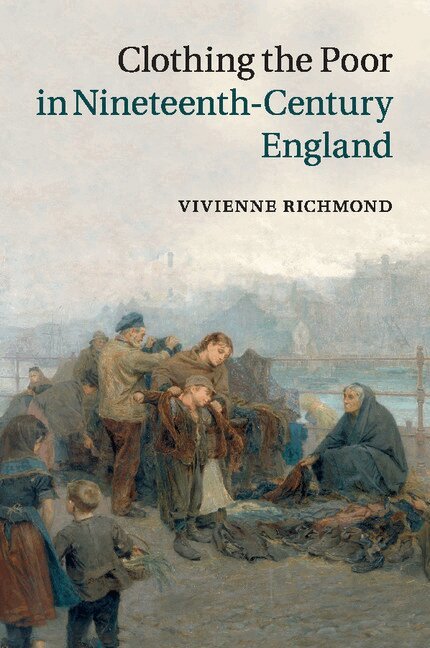
    Clothing the Poor in Nineteenth-Century England

    AvVivienne Richmond

    Häftad, Engelska, 2016

    560 kr

    Beställningsvara. Skickas inom 10-15 vardagar. Fri frakt över 249 kr.

    Fler format och utgåvor

    Inbunden

    1 458 kr

    Beskrivning

    In this pioneering study Vivienne Richmond reveals the importance of dress to the nineteenth-century English poor, who valued clothing not only for its practical utility, but also as a central element in the creation and assertion of collective and individual identities. During this period of rapid industrialisation and urbanisation formal dress codes, corporate and institutional uniforms, and the spread of urban fashions replaced the informal dress of agricultural England. This laid the foundations of modern popular dress and generated fears about the visual blurring of social boundaries as new modes of manufacturing and retailing expanded the wardrobes of the majority. However, a significant impoverished minority remained outside this process. Clothed by diminishing parish assistance, expanding paternalistic charity and the second-hand trade, they formed a 'sartorial underclass' whose material deprivation and visual distinction was a cause of physical discomfort and psychological trauma.

    Produktinformation

    • Utgivningsdatum:2016-11-03
    • Mått:153 x 230 x 20 mm
    • Vikt:530 g
    • Format:Häftad
    • Språk:Engelska
    • Antal sidor:360
    • Förlag:Cambridge University Press
    • ISBN:9781107645349

    Utforska kategorier

    • Europas historia inom Historia och arkeologi

    Mer om författaren

    Vivienne Richmond is a Lecturer in Modern British History at Goldsmiths, University of London.

    Recensioner i media

    'Vivienne Richmond demonstrates the power of clothing in the lives of the working and indigent poor of nineteenth-century England: children, women and men. This is an innovative exploration of clothing cultures, both those crafted by individuals and those imposed by state and institutional authorities. Subtle and insightful, Richmond brings new perspectives to this important topic.' Beverly Lemire, University of Alberta

    Innehållsförteckning

    • Introduction: identifying the poor, locating their clothes; 1. Setting the standard: working-class dress; 2. 'Frankly a mystery': budgeting for clothes; 3. 'Poverty busied itself': buying clothes; 4. 'Woman's best weapon': needlework and home-made clothing; 5. 'The struggle for respectability'; 6. The sense of self; 7. 'The bowels of compassion': clothing and the Poor Law; 8. 'An urgent desire to clothe them': ladies' clothing charities; 9. 'We have nothing but our clothes': charity schools and servants; 10. 'The greatest stigma and disgrace': lunatic asylums, workhouses and prisons; Conclusion: no finery; Bibliography.