
The Natural Moral Law
The Good after Modernity
Häftad, Engelska, 2013
659 kr
Beställningsvara. Skickas inom 5-8 vardagar. Fri frakt över 249 kr.
Fler format och utgåvor
Beskrivning
The Natural Moral Law argues that the good can be known and that therefore the moral law, which serves as a basis for human choice, can be understood. Proceeding historically through ancient, modern and postmodern thinkers, Owen Anderson studies beliefs about the good and how it is known, and how such beliefs shape claims about the moral law. The focal challenge is whether the skepticism of postmodern thinkers can be answered in a way that preserves knowledge claims about the good. Considering the failures of modern thinkers to correctly articulate reason and the good and how postmodern thinkers are responding to these failures, Anderson argues that there are identifiable patterns of thinking about what is good, some of which lead to false dichotomies. The book concludes with a consideration of how a moral law might look if the good is correctly identified.
Produktinformation
Utforska kategorier
Mer om författaren
Recensioner i media
Innehållsförteckning
Hoppa över listan

Mer från samma författare
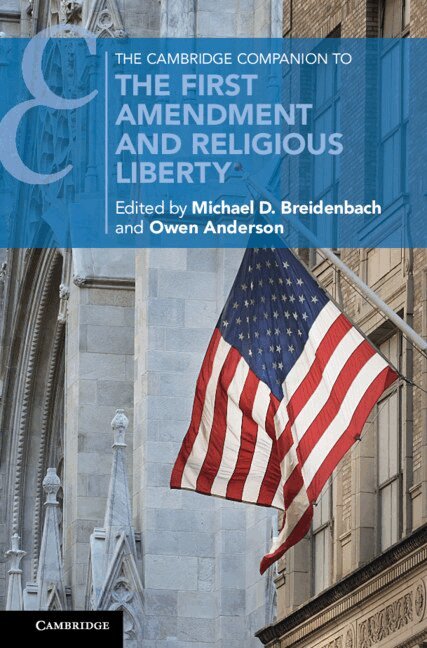
Cambridge Companion to the First Amendment and Religious Liberty
Owen Anderson, Michael D. Breidenbach
E-bok
2020558 kr
Cambridge Companion to the First Amendment and Religious Liberty
Owen Anderson, Michael D. Breidenbach
E-bok
2020558 kr
The Cambridge Companion to the First Amendment and Religious Liberty
Michael D. Breidenbach, Owen Anderson
Häftad, 2020
571 kr
The Cambridge Companion to the First Amendment and Religious Liberty
Michael D. Breidenbach, Owen Anderson
Inbunden, 2020
1 788 kr
Hoppa över listan
Du kanske också är intresserad av
- Nyhet
The Cambridge Companion to the First Amendment and Religious Liberty
Michael D. Breidenbach, Owen Anderson
Häftad, 2020
571 kr
Cambridge Companion to the First Amendment and Religious Liberty
Owen Anderson, Michael D. Breidenbach
E-bok
2020558 kr
The Cambridge Companion to the First Amendment and Religious Liberty
Michael D. Breidenbach, Owen Anderson
Inbunden, 2020
1 788 kr
Cambridge Companion to the First Amendment and Religious Liberty
Owen Anderson, Michael D. Breidenbach
E-bok
2020558 kr