• Fri frakt över 249 kr
  • •
  • Snabba leveranser
  • •
  • Billiga böcker
Kundservice

Du är på sajten för privatpersoner.

Företag, bibliotek eller offentlig verksamhet?

Du handlar på classic.bokus.com, där alla dina funktioner finns intakta.
Till classic.bokus.com
Bokus logotyp. Gå till startsidan.
  • Erbjudanden
  • Nyheter
  • Student
  • Topplistor
  • Barn & ungdom
  • Bokus Play
  • E-böcker
  • Pocketböcker
  • Spel & pussel

10% studentrabatt med kod TERM26

Sidfot

Mina sidor

    Hjälp

    • Kundservice
    • Vanliga frågor och svar
    • Frakt och leverans
    • Retur vid ångerrätt
    • Reklamera vara
    • Betalning
    • Köpvillkor
    • Allmänna villkor
    • Information om webbplatsens tillgänglighet

    Om Bokus

    • Om oss
    • Pressrum
    • För studenter
    • För företag
    • För bibliotek och offentlig verksamhet
    • För leverantörer
    • Hållbarhet

    Populärt

    • Aktuella erbjudanden
    • Presentkort
    • Studentlitteratur
    • Nya böcker
    • Topplistor
    • Signerade böcker
    • Engelska böcker

    Inspiration

    • Boktips
    • BookTok
    • Populära bokserier
    • Barnbokskaraktärer
    • Populära författare
    Logotyp för Bokus
    Följ oss på Facebook (extern länk)Följ oss på Instagram (extern länk)Följ oss på YouTube (extern länk)Följ oss på TikTok (extern länk)
    bokus @ CookiesAnpassa cookiesIntegritetspolicyKöpvillkor
    Till Citymail hemsida (extern länk)Till Budbee hemsida (extern länk)Till Postnord hemsida (extern länk)Till Schenker hemsida (extern länk)Till Early Bird hemsida (extern länk)Till Walleys hemsida (extern länk)
    1. Historia och arkeologi
    2. Historia
    3. Forntidens historia

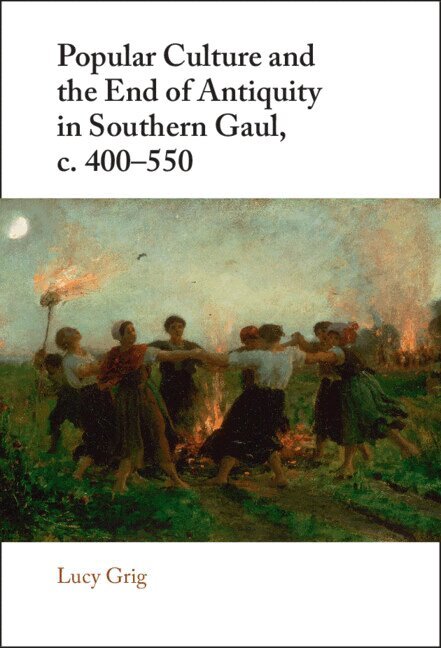
    Popular Culture and the End of Antiquity in Southern Gaul, c. 400-550

    AvLucy Grig

    Inbunden, Engelska, 2024

    1 240 kr

    Beställningsvara. Skickas inom 10-15 vardagar. Fri frakt över 249 kr.

    Fler format och utgåvor

    Häftad

    Kommande

    E-bok

    1 447 kr

    Beskrivning

    This book offers a new look at the transformation of the classical world in Late Antiquity. It focuses on a particular region, rich in both archaeological and literary evidence, and examines the social, cultural and religious history of late antique southern Gaul through the lens of popular culture. Using material culture, comparative and theoretical material alongside the often dominant normative and prescriptive texts produced by the late antique church, Lucy Grig shines a fresh light on the period. She explores city and countryside alike as contexts for late antique popular culture, and consider a range of case-studies, including the vibrant late antique festival of the Kalends of January. In this way important questions of continuity, change and historical agency are brought to the fore. This title is part of the Flip it Open Programme and may also be available Open Access. Check our website Cambridge Core for details.

    Produktinformation

    • Utgivningsdatum:2024-03-28
    • Mått:158 x 235 x 21 mm
    • Vikt:550 g
    • Format:Inbunden
    • Språk:Engelska
    • Antal sidor:280
    • Förlag:Cambridge University Press
    • ISBN:9781108491440

    Utforska kategorier

    • Forntidens historia inom Historia och arkeologi

    Mer om författaren

    LUCY GRIG is a Senior Lecturer in Roman History in the Department of Classics at the University of Edinburgh. She has published widely on the social, cultural and religious history of Late Antiquity, and is the editor of Popular Culture in the Ancient World (Cambridge, 2017) and the author of Making Martyrs in Late Antiquity (2004).

    Recensioner i media

    'Recommended.' R. T. Ingoglia, CHOICE

    Innehållsförteckning

    • 1. Introduction: popular culture and the study of (late) ancient history; 2. Urban contexts for popular culture in an age of transformation; 3. Popular culture, society and economy: the countryside in transition in late antiquity; 4. Christianizing popular culture: the view 'from the pulpit'; 5. An alternative view: lived religion as popular culture; 6. The Kalends of January: the persistence of popular culture; 7. Conclusions: popular culture and the end of antiquity?