• Fri frakt över 249 kr
  • •
  • Snabba leveranser
  • •
  • Billiga böcker
Kundservice

Du är på sajten för privatpersoner.

Företag, bibliotek eller offentlig verksamhet?

Du handlar på classic.bokus.com, där alla dina funktioner finns intakta.
Till classic.bokus.com
Bokus logotyp. Gå till startsidan.
  • Erbjudanden
  • Nyheter
  • Student
  • Topplistor
  • Barn & ungdom
  • Bokus Play
  • E-böcker
  • Pocketböcker
  • Spel & pussel

Må bättre, för mindre! Upp till 50% rabatt på hälsoböcker

Sidfot

Mina sidor

    Hjälp

    • Kundservice
    • Vanliga frågor och svar
    • Frakt och leverans
    • Retur vid ångerrätt
    • Reklamera vara
    • Betalning
    • Köpvillkor
    • Allmänna villkor
    • Information om webbplatsens tillgänglighet

    Om Bokus

    • Om oss
    • Pressrum
    • För studenter
    • För företag
    • För bibliotek och offentlig verksamhet
    • För leverantörer
    • Hållbarhet

    Populärt

    • Aktuella erbjudanden
    • Presentkort
    • Studentlitteratur
    • Nya böcker
    • Topplistor
    • Signerade böcker
    • Engelska böcker

    Inspiration

    • Boktips
    • BookTok
    • Populära bokserier
    • Barnbokskaraktärer
    • Populära författare
    Logotyp för Bokus
    Följ oss på Facebook (extern länk)Följ oss på Instagram (extern länk)Följ oss på YouTube (extern länk)Följ oss på TikTok (extern länk)
    bokus @ CookiesAnpassa cookiesIntegritetspolicyKöpvillkor
    Till Citymail hemsida (extern länk)Till Budbee hemsida (extern länk)Till Postnord hemsida (extern länk)Till Schenker hemsida (extern länk)Till Early Bird hemsida (extern länk)Till Walleys hemsida (extern länk)
    1. Historia och arkeologi
    2. Historia
    3. Forntidens historia

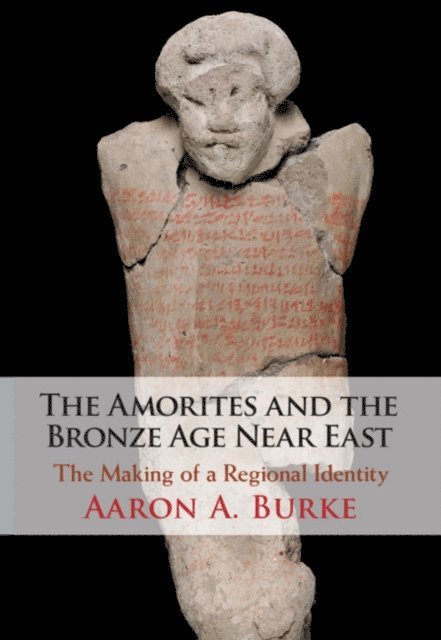
    The Amorites and the Bronze Age Near East

    The Making of a Regional Identity

    AvAaron A. Burke

    Inbunden, Engelska, 2020

    1 209 kr

    Beställningsvara. Skickas inom 10-15 vardagar. Fri frakt över 249 kr.

    Fler format och utgåvor

    Häftad

    408 kr

    Beskrivning

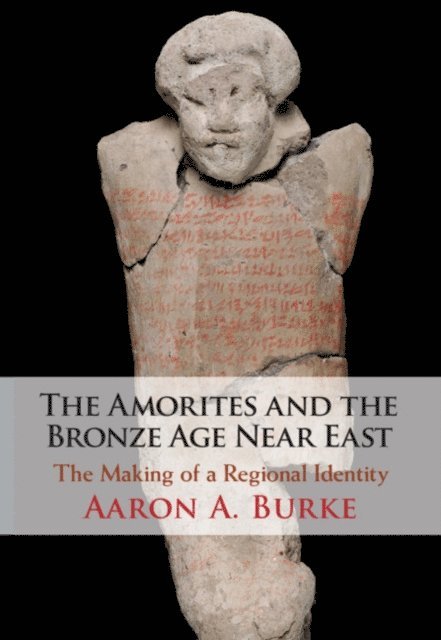
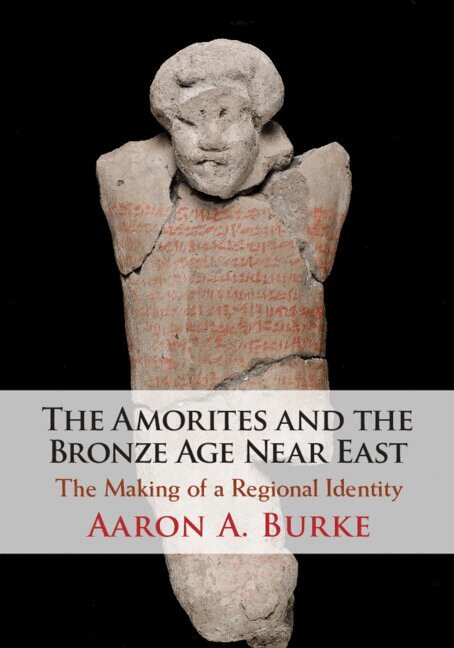
    In this book, Aaron A. Burke explores the evolution of Amorite identity in the Near East from ca. 2500-1500 BC. He sets the emergence of a collective identity for the Amorites, one of the most famous groups in Ancient Near Eastern history, against the backdrop of both Akkadian imperial intervention and declining environmental conditions during this period. Tracing the migration of Amorite refugees from agropastoral communities into nearby regions, he shows how mercenarism in both Mesopotamia and Egypt played a central role in the acquisition of economic and political power between 2100 and 1900 BC. Burke also examines how the establishment of Amorite kingdoms throughout the Near East relied on traditional means of legitimation, and how trade, warfare, and the exchange of personnel contributed to the establishment of an Amorite koiné. Offering a fresh approach to identity at different levels of social hierarchy over time and space, this volume contributes to broader questions related to identity for other ancient societies.

    Produktinformation

    • Utgivningsdatum:2020-12-17
    • Mått:183 x 259 x 25 mm
    • Vikt:1 050 g
    • Format:Inbunden
    • Språk:Engelska
    • Antal sidor:456
    • Förlag:Cambridge University Press
    • ISBN:9781108495967

    Utforska kategorier

    • Forntidens historia inom Historia och arkeologi

    Mer om författaren

    Aaron A. Burke is professor of Near Eastern archaeology and the Kershaw Chair in the Archaeology of the Ancient Eastern Mediterranean at the University of California, Los Angeles. He has written on warfare, culture and social change in the Bronze and Iron Ages.

    Recensioner i media

    'The author successfully combines the textual evidence with archaeological sources and he provides a fitting hypothesis on the origin of the Amorite identities and how they evolved over a long stretch of time. Future studies on the Amorites will have to engage with this book and the ideas therein.' Rients de Boer, Bibliotheca Orientalis

    Innehållsförteckning

    • 1. Introduction: Amorites, their legacy, and the study of identity; 2. Communities at the margins: the origins of Amorite identity, 2500–2200 B.C.; 3. Beyond pastoralism: diaspora and opportunity, 2200–2000 B.C.; 4. Mercenaries and merchants: networks of political and economic power, 2000–1800 B.C.; 5. Competition and emulation: the Amorite Koiné from Dilmun to Avaris, 1800–1500 B.C. 6. Conclusion: Amorite identity in the long durée.