• Fri frakt över 249 kr
  • •
  • Snabba leveranser
  • •
  • Billiga böcker
Kundservice

Du är på sajten för privatpersoner.

Företag, bibliotek eller offentlig verksamhet?

Du handlar på classic.bokus.com, där alla dina funktioner finns intakta.
Till classic.bokus.com
Bokus logotyp. Gå till startsidan.
  • Erbjudanden
  • Nyheter
  • Student
  • Topplistor
  • Barn & ungdom
  • Bokus Play
  • E-böcker
  • Pocketböcker
  • Spel & pussel

10% rabatt på allt med kod: NYSTART10 →

Sidfot

Mina sidor

    Hjälp

    • Kundservice
    • Vanliga frågor och svar
    • Frakt och leverans
    • Retur vid ångerrätt
    • Reklamera vara
    • Betalning
    • Köpvillkor
    • Allmänna villkor
    • Information om webbplatsens tillgänglighet

    Om Bokus

    • Om oss
    • Pressrum
    • För studenter
    • För företag
    • För bibliotek och offentlig verksamhet
    • För leverantörer
    • Hållbarhet

    Populärt

    • Aktuella erbjudanden
    • Presentkort
    • Studentlitteratur
    • Nya böcker
    • Topplistor
    • Signerade böcker
    • Engelska böcker

    Inspiration

    • Boktips
    • BookTok
    • Populära bokserier
    • Barnbokskaraktärer
    • Populära författare
    Logotyp för Bokus
    Följ oss på Facebook (extern länk)Följ oss på Instagram (extern länk)Följ oss på YouTube (extern länk)Följ oss på TikTok (extern länk)
    bokus @ CookiesAnpassa cookiesIntegritetspolicyKöpvillkor
    Till Citymail hemsida (extern länk)Till Budbee hemsida (extern länk)Till Postnord hemsida (extern länk)Till Schenker hemsida (extern länk)Till Early Bird hemsida (extern länk)Till Walleys hemsida (extern länk)
    1. Historia och arkeologi
    2. Historia

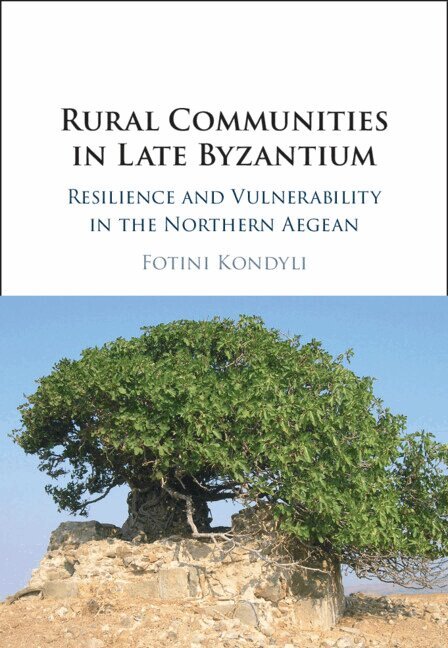
    Rural Communities in Late Byzantium

    Resilience and Vulnerability in the Northern Aegean

    AvFotini Kondyli

    Inbunden, Engelska, 2022

    1 378 kr

    Beställningsvara. Skickas inom 10-15 vardagar. Fri frakt över 249 kr.

    Fler format och utgåvor

    E-bok

    1 609 kr

    E-bok

    1 609 kr

    Beskrivning

    Late Byzantium faced economic, political, and demographic crises. This book argues for the ability of rural communities to transform their socioeconomic strategies and maintain resilience in the face of these, especially in the context of islands. It seeks to reinstate ordinary people in the historical narrative and reintroduce them as active participants in the events of the period, pointing to their ability not only to react to change, but also to initiate it. Combining new archaeological evidence with archival material pertaining to the islands of Lemnos and Thasos in the Northern Aegean, it provides concrete examples of Byzantine socio-economic strategies that successfully mitigated the various crises and thus contributes to a diachronic perspective on crisis management. The result is to rethink the nature of the Late Byzantine period, and to question the ways in which we have come to divide historical periods into 'good' or 'bad'.

    Produktinformation

    • Utgivningsdatum:2022-03-17
    • Mått:175 x 250 x 18 mm
    • Vikt:730 g
    • Format:Inbunden
    • Språk:Engelska
    • Antal sidor:302
    • Förlag:Cambridge University Press
    • ISBN:9781108845496

    Utforska kategorier

    • Historia inom Historia och arkeologi

    Mer om författaren

    Fotini Kondyli is Associate Professor of Byzantine Archaeology and Art at the University of Virginia. Her research deals with Byzantine social and spatial practices and the archaeology of non-elites. She is the recipient of fellowships from Dumbarton Oaks Research Library and Collection, the Joukowsky Institute for Archaeology at Brown University, and the National Endowment for the Humanities.

    Recensioner i media

    'Kondyli offers an alternative to the prevailing narrative of late Byzantium as a period of decline and stagnation. While candid about the limitations of her approach in detecting abrupt changes in the historical landscape, she reinterprets villages previously considered abandoned or deserted as dynamic and wisely managed communities … Kondyli's book offers a model for studying ordinary people's coping strategies and site-specific responses to political and economic disasters; throughout, she showcases the potential of small-scale archaeological projects. It is time to apply this paradigm to other locations.' Georgios Makris, Speculum: A Journal of Medieval Studies

    Innehållsförteckning

    • 1. In Search of Late Byzantine Rural Island Communities; 2. Who is Who in the Rural Landscape: The Makeup of Late Byzantine Rural Communities; 3. Pathways of Resilience; 4. Defending the Realm; 5. Community Building in the Face of Crisis: A Landscape Approach; 6. The Return of the People; Appendix I; Appendix II; Bibliography.