• Fri frakt över 249 kr
  • •
  • Snabba leveranser
  • •
  • Billiga böcker
Kundservice

Du är på sajten för privatpersoner.

Företag, bibliotek eller offentlig verksamhet?

Du handlar på classic.bokus.com, där alla dina funktioner finns intakta.
Till classic.bokus.com
Bokus logotyp. Gå till startsidan.
  • Erbjudanden
  • Nyheter
  • Student
  • Topplistor
  • Barn & ungdom
  • Bokus Play
  • E-böcker
  • Pocketböcker
  • Spel & pussel

10% rabatt på allt med kod NYSTART10 →

Sidfot

Mina sidor

    Hjälp

    • Kundservice
    • Vanliga frågor och svar
    • Frakt och leverans
    • Retur vid ångerrätt
    • Reklamera vara
    • Betalning
    • Köpvillkor
    • Allmänna villkor
    • Information om webbplatsens tillgänglighet

    Om Bokus

    • Om oss
    • Pressrum
    • För studenter
    • För företag
    • För bibliotek och offentlig verksamhet
    • För leverantörer
    • Hållbarhet

    Populärt

    • Aktuella erbjudanden
    • Presentkort
    • Studentlitteratur
    • Nya böcker
    • Topplistor
    • Signerade böcker
    • Engelska böcker

    Inspiration

    • Boktips
    • BookTok
    • Populära bokserier
    • Barnbokskaraktärer
    • Populära författare
    Logotyp för Bokus
    Följ oss på Facebook (extern länk)Följ oss på Instagram (extern länk)Följ oss på YouTube (extern länk)Följ oss på TikTok (extern länk)
    bokus @ CookiesAnpassa cookiesIntegritetspolicyKöpvillkor
    Till Citymail hemsida (extern länk)Till Budbee hemsida (extern länk)Till Postnord hemsida (extern länk)Till Schenker hemsida (extern länk)Till Early Bird hemsida (extern länk)Till Walleys hemsida (extern länk)
    1. Medicin
    2. Andra medicinska specialiteter
    3. Klinisk psykologi

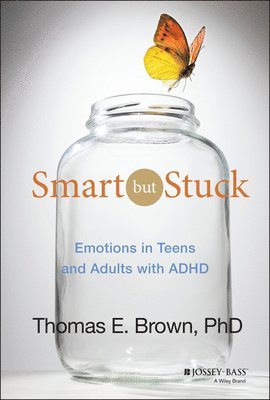
    Smart But Stuck

    Emotions in Teens and Adults with ADHD

    AvThomas E. Brown

    Inbunden, Engelska, 2014

    229 kr

    Skickas . Fri frakt över 249 kr.

    Fler format och utgåvor

    E-bok

    256 kr

    E-bok

    256 kr

    Beskrivning

    Compelling stories that present a new view of ADHD Smart but Stuck offers 15 true and compelling stories about intelligent, capable teens and adults who have gotten "stuck" at school, work, and/or in social relationships because of their ADHD. Dr. Brown highlights the often unrecognized role that emotions play in this complex disorder. He explains why even very bright people with ADHD get stuck because they can focus well on some tasks that interest them, but often can't focus adequately on other important tasks and relationships. The first book to explain and illustrate the crucial role of emotions in the daily functioning of those living with ADHDBrown, Associate Director of the Yale Clinic for Attention & Related Disorders, is an internationally known authority on ADHDDrawing on the latest research findings, the book describes strategies and treatments for getting "unstuck" to move on to a more rewarding and productive life.

    Produktinformation

    • Utgivningsdatum:2014-04-25
    • Mått:160 x 231 x 25 mm
    • Vikt:454 g
    • Format:Inbunden
    • Språk:Engelska
    • Antal sidor:288
    • Förlag:John Wiley & Sons Inc
    • ISBN:9781118279281

    Utforska kategorier

    • Klinisk psykologi inom Medicin
    • Neurologi och klinisk neurofysiologi inom Medicin

    Mer om författaren

    THOMAS E. BROWN, PhD, is a Clinical Psychologist, Assistant Clinical Professor of Psychiatry at Yale University School of Medicine, and Associate Director of the Yale Clinic for Attention and Related Disorders. He is the author of several books including the award-winning Attention Deficit Disorder: The Unfocused Mind in Children and Adults (Yale University Press, 2005), which has been published in seven languages. Visit him at www.drthomasebrown.com.

    Innehållsförteckning

    • The Author ixAcknowledgments xiIntroduction 11 ADHD and the emotional brain 7A new understanding of ADHD and emotions; why emotions can be so troubling in the lives of those with ADHD; how the ADHD brain processes emotions differently; the influences of temperament and experiences on emotions and motivations.2 Eric 43“I’m in a great university where I want to do well, but I just can’t get myself motivated to do the work. I did really well in high school; now my grade shave tanked. I’ve been spending too much time hanging out with my girlfriend and smoking weed. I’ve tried some ADHD medicines, but they make me too jittery.”—20-year-old university student3 Karen 65“My parents always taught me that I have an obligation to behave and achieve in ways that would not bring shame on my family. When I failed out of college, they helped me prepare to try again. I wanted very much to do it, but on that critical day when I was supposed to start the last two courses I needed to get readmitted, I was too afraid to walk in the classroom door.”—22-year-old university student4 Martin 81“I’m in Mensa, but I earned no credits in my first two years at college—I was too baked to get myself to class. Now I’m doing well in a few courses where the professors are really interesting, but I can’t get started on writing papers and often skip class. With my miserable academic record, what’s the use in my trying to graduate?”—23-year-old university student5 Sarah 103“I’ve been married twenty-five years, have three great kids, and had a decent career as a journalist, but I just got fired because I couldn’t prioritize and keep up with my work. Since menopause I’ve had trouble keeping track of things and getting work done. I’ve always had some trouble with these things, but it’s recently been getting worse.”—50-year-old homemaker and mother6 Mike 119“My dad always said that I’m smart but just lazy; maybe he’s right. I got put on academic probation, and now I have to drop out. I’m always spacing out and can’t get myself started on anything until the last minute. I tried my friend’s ADHD medicine and it helped alot, but my dad doesn’t want me getting evaluated for ADHD because he says the meds are like steroids.”—21-year-old university student7 Lisa 137“Other kids don’t seem to get my jokes and aren’t interested in who I am. I try to make friends, but no one ever calls me back when I call them. I try to talk with my parents about it, but my dad doesn’t understand kids and my mom’s always yelling at me. ADHD meds help me get schoolwork done, but they don’t help with social stuff.”—15-year-old high school student8 Steve 155“My wife divorced me three months ago, and then a month later I got fired from my job—both because of my ADHD! Meds help some, but not enough. I get stuck doing some things and don’t get around to doing what’s really important. I procrastinate, and everything takes me way too long. I’m good at programming computers, but not at programming myself.”—32-year-old computer programmer9 Sue 169“Until I got into middle school, I always got really good grades and never got into trouble. Now everybody thinks I’m hopeless just because I dress Goth and don’t do much homework. My parents and teachers all look down on me just because of the friends I hang out with. They don’t really know me or my friends!”—14-year-old high school student10 Matt 185“When I was in high school, I had friends. When I got to college, I didn’tknow anyone and was too shy to make friends. I just kept to myself and almost never left my room except to go to class or get meals. I got pretty depressed, and after a while my sleep got messed up. I’ve stopped going to some of my classes.”—18-year-old college student11 Lois 203“I teach special education, so I’ve taught a lot of kids with ADHD, but never realized I have it. I have trouble organizing my stuff and finishing paperwork on time, and sometimes I’m forgetful. I got through college and I’ve been teaching for ten years, but over the past year I’ve had a harder time, and those ADHD problems are getting worse—especially since difficulties at home began.”—37-year-old school teacher12 James 219“If I don’t finish four papers this month, I’m going to be put on probation at school. Ijust can’t get myself to finish. I’ve had this problem for a long time, but now it’s worse than ever before. I’ve done the research for most of my papers, but I can’t get myself past the first paragraph in any one of them. I’m stuck!”—20-year-old college student13 Getting Unstuck 235How do the emotions of these teens and adults affect their education, work, family interactions, and social relationships? What treatments are useful for helping people with ADHD get unstuck from these difficulties? What can family members, friends, teachers, clinicians, and counselors do to help?Questions for Discussion 243Notes and Additional Reading 251Index 267

    Betyg & recensioner

    5/5