• Fri frakt över 249 kr
  • •
  • Snabba leveranser
  • •
  • Billiga böcker
Kundservice

Du är på sajten för privatpersoner.

Företag, bibliotek eller offentlig verksamhet?

Du handlar på classic.bokus.com, där alla dina funktioner finns intakta.
Till classic.bokus.com
Bokus logotyp. Gå till startsidan.
  • Erbjudanden
  • Nyheter
  • Student
  • Topplistor
  • Barn & ungdom
  • Bokus Play
  • E-böcker
  • Pocketböcker
  • Spel & pussel

10% rabatt på allt med kod: NYSTART10 →

Sidfot

Mina sidor

    Hjälp

    • Kundservice
    • Vanliga frågor och svar
    • Frakt och leverans
    • Retur vid ångerrätt
    • Reklamera vara
    • Betalning
    • Köpvillkor
    • Allmänna villkor
    • Information om webbplatsens tillgänglighet

    Om Bokus

    • Om oss
    • Pressrum
    • För studenter
    • För företag
    • För bibliotek och offentlig verksamhet
    • För leverantörer
    • Hållbarhet

    Populärt

    • Aktuella erbjudanden
    • Presentkort
    • Studentlitteratur
    • Nya böcker
    • Topplistor
    • Signerade böcker
    • Engelska böcker

    Inspiration

    • Boktips
    • BookTok
    • Populära bokserier
    • Barnbokskaraktärer
    • Populära författare
    Logotyp för Bokus
    Följ oss på Facebook (extern länk)Följ oss på Instagram (extern länk)Följ oss på YouTube (extern länk)Följ oss på TikTok (extern länk)
    bokus @ CookiesAnpassa cookiesIntegritetspolicyKöpvillkor
    Till Citymail hemsida (extern länk)Till Budbee hemsida (extern länk)Till Postnord hemsida (extern länk)Till Schenker hemsida (extern länk)Till Early Bird hemsida (extern länk)Till Walleys hemsida (extern länk)
    1. Psykologi och pedagogik
    2. Psykologi

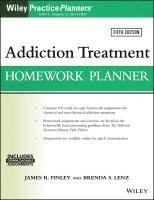
    Addiction Treatment Homework Planner

    AvJames R. Finley,Brenda S. Lenz

    Häftad, Engelska, 2016

    Del i serien PracticePlanners

    785 kr

    Beställningsvara. Skickas inom 3-6 vardagar. Fri frakt över 249 kr.

    Beskrivning

    Help clients suffering from chemical and nonchemical addictions develop the skills they need to work through problems.The Addiction Treatment Homework Planner, Fifth Edition provides you with an array of ready-to-use, between-session assignments designed to fit virtually every therapeutic mode. This easy-to-use sourcebook features: 100 ready-to-copy exercises covering the most common issues encountered by clients suffering from chemical and nonchemical addictions, such as anxiety, impulsivity, childhood trauma, dependent traits, and occupational problemsA quick-reference format—the interactive assignments are grouped by behavioral problems including alcoholism, nicotine dependence, and sleep disturbance as well as those problems that do not involve psychoactive substances, such as problem gambling, eating disorders, and sexual addictionsExpert guidance on how and when to make the most efficient use of the exercisesAssignments that are cross-referenced toThe Addiction Treatment Planner, Fifth Edition so you can quickly identify the right exercise for a given situation or problemAll exercises are available online for you to download and customize to suit you and your clients' unique styles and needs

    Produktinformation

    • Utgivningsdatum:2016-04-29
    • Mått:216 x 274 x 31 mm
    • Vikt:816 g
    • Format:Häftad
    • Språk:Engelska
    • Serie:PracticePlanners
    • Antal sidor:416
    • Upplaga:5
    • Förlag:John Wiley & Sons Inc
    • ISBN:9781119278047

    Utforska kategorier

    • Psykologi inom Psykologi och pedagogik

    Mer om författaren

    JAMES R. FINLEY, MA, is a mental health and addictions therapist who has conducted individual, couples, family, and group therapy with adults, adolescents, and children in outpatient treatment, foster care, residential, and correctional settings. He is the author of Integrating the 12 Steps into Addiction Therapy and coauthor of The Addiction Counselor's Documentation Sourcebook, Second Edition, and the Veterans and Active Duty Military Psychotherapy Homework Planner. BRENDA S. LENZ, MS, is a licensed professional counselor and certified substance abuse counselor with extensive experience treating clients with co-occurring issues. She specializes in treating substance use disorders in college-aged students. She is coauthor of The Addiction Counselor's Documentation Sourcebook, Second Edition, published by Wiley. She currently works in a university counseling center and in private practice.

    Innehållsförteckning

    • Wiley PracticePlanners® Series Preface xvPreface xviiSection 1: Adult-Child-of-an-Alcoholic (ACA) Traits 1Exercise 1.A Addressing ACA Traits in Recovery 2Exercise 1.B Understanding Family History 6Section 2: Anger 8Exercise 2.A Is My Anger Due to Feeling Threatened? 9Exercise 2.B Is My Anger Due to Unmet Expectations? 14Section 3: Antisocial Behavior 17Exercise 3.A Benefits of Helping Others 18Exercise 3.B Taking Inventory of Destructive Behaviors 22Section 4: Anxiety 24Exercise 4.A Anxiety Triggers and Warning Signs 25Exercise 4.B Coping With Stress 29Section 5: Attention-Deficit/Hyperactivity Disorder (ADHD)—Adolescent 32Exercise 5.A Developing a Recovery Program 33Exercise 5.B Staying Attentive and Other Negotiating Skills 37Section 6: Attention-Deficit/Hyperactivity Disorder (ADHD)—Adult 40Exercise 6.A From Recklessness to Calculated Risks 41Exercise 6.B Getting Organized 44Exercise 6.C Self-Soothing: Calm Down, Slow Down 47Section 7: Bipolar Disorder 49Exercise 7.A Early Warning Signs of Mania/Hypomania 50Exercise 7.B Mania, Addiction, and Recovery 53Section 8: Borderline Traits 55Exercise 8.A Forming Stable Relationships 56Exercise 8.B Seeing That We’re All Just Human 60Section 9: Childhood Trauma 62Exercise 9.A Corresponding With My Childhood Self 63Exercise 9.B Setting and Maintaining Boundaries 66Section 10: Chronic Pain 68Exercise 10.A Coping With Addiction and Chronic Pain 69Exercise 10.B Managing Pain Without Addictive Drugs 72Section 11: Conduct Disorder/Delinquency 75Exercise 11.A How Do You Do That? 76Exercise 11.B Trading Places 80Section 12: Dangerousness/Lethality 83Exercise 12.A Anger as a Drug 84Exercise 12.B Managing Risk 87Section 13: Dependent Traits 89Exercise 13.A Building My Support Network 90Exercise 13.B How Interdependent Am I? 94Section 14: Eating Disorders and Obesity 97Exercise 14.A Creating a Preliminary Eating and Health Plan 98Exercise 14.B Eating Patterns Self-Assessment 102Section 15: Family Conflicts 104Exercise 15.A Creating Positive Family Rituals 105Exercise 15.B Identifying Conflict Themes 108Section 16: Gambling 110Exercise 16.A Consequences and Benefits 111Exercise 16.B Understanding Nonchemical Addictions 114Section 17: Grief/Loss Unresolved 116Exercise 17.A Am I Having Difficulty Letting Go? 117Exercise 17.B Moving on After Loss 120Exercise 17.C What Would They Want for Me? 124Section 18: Impulsivity 126Exercise 18.A Handling Crisis Without Impulsivity 127Exercise 18.B Learning to Think Things Through 130Section 19: Legal Problems 132Exercise 19.A Handling Tough Situations in a Healthy Way 133Exercise 19.B What’s Addiction Got to Do With My Problems? 137Section 20: Living Environment Deficiency 140Exercise 20.A Assessing My Environment 141Exercise 20.B What Would My Ideal Life Look Like? 144Section 21: Medical Issues 147Exercise 21.A Coping With Addiction and Other Medical Problems 148Exercise 21.B Physical and Emotional Self-Care 152Section 22: Narcissistic Traits 154Exercise 22.A Being Genuinely Unselfish 155Exercise 22.B Getting Out of Myself 158Section 23: Nicotine Use/Dependence 160Exercise 23.A Assessing Readiness and Preparing to Quit 161Exercise 23.B Addressing Relapse Triggers 164Exercise 23.C Use of Affirmations for Change 167Section 24: Obsessive-Compulsive Disorder (OCD) 170Exercise 24.A Interrupting Compulsive Thoughts and Urges 172Exercise 24.B Reducing Compulsive Behaviors 177Section 25: Occupational Problems 180Exercise 25.A Interest and Skill Self-Assessment 181Exercise 25.B Workplace Problems and Solutions 185Section 26: Oppositional Defiant Behavior 187Exercise 26.A Analyzing Acting-Out Behavior 188Exercise 26.B Learning to Ask Instead of Demand 191Section 27: Parent–Child Relational Problem 194Exercise 27.A Am I Teaching My Child Addictive Patterns? 195Exercise 27.B What Do I Want for My Children? 198Section 28: Partner Relational Conflicts 201Exercise 28.A Communication Skills 202Exercise 28.B Relationship Assessment 207Section 29: Peer Group Negativity 209Exercise 29.A Creating Recovery Peer Support 210Exercise 29.B What Do I Need and How Do I Get It? 213Section 30: Posttraumatic Stress Disorder (PTSD) 215Exercise 30.A Coping With Addiction and PTSD or Other Anxiety Disorders 216Exercise 30.B Safe and Peaceful Place Meditation 220Section 31: Psychosis 222Exercise 31.A Coping With Addiction and Schizophrenia Spectrum Disorders 223Exercise 31.B Planning a Stable Life 227Section 32: Relapse Proneness 229Exercise 32.A Early Warning Signs of Relapse 230Exercise 32.B Identifying Relapse Triggers and Cues 233Exercise 32.C Relapse Prevention Planning 237Section 33: Self-Care Deficit as a Primary Problem 240Exercise 33.A Assessing Self-Care Deficits 241Exercise 33.B Relating Self-Care Deficits to My Addiction 245Section 34: Self-Care Deficit as a Secondary Problem 247Exercise 34.A Filling in Self-Care Gaps 248Exercise 34.B Working Toward Interdependence 251Section 35: Self-Harm 253Exercise 35.A Understanding Self-Harm and Addiction 254Exercise 35.B Self-Harm Risk Factors, Triggers, and Early Warning Signs 257Section 36: Sexual Abuse 259Exercise 36.A It Wasn’t My Fault 261Exercise 36.B Internal and External Resources for Safety 265Section 37: Sexual Promiscuity 267Exercise 37.A Is It Romance or Is It Fear? 268Exercise 37.B Working Through Shame 272Section 38: Sleep Disturbance 274Exercise 38.A Assessing Sleep Problems 275Exercise 38.B Improving Sleep Hygiene 278Section 39: Social Anxiety 279Exercise 39.A Understanding Thoughts, Worries, and Fears 281Exercise 39.B Action Plan to Address Social Anxiety 285Section 40: Spiritual Confusion 288Exercise 40.A Understanding Spirituality 289Exercise 40.B Finding a Higher Power That Makes Sense 292Section 41: Substance-Induced Disorders 294Exercise 41.A Using My Support Network 296Exercise 41.B Exploring Treatment and Recovery Options 299Section 42: Substance Intoxication/Withdrawal 301Exercise 42.A Coping With Post-Acute Withdrawal (PAW) 302Exercise 42.B Using Books and Other Media Resources 305Section 43: Substance Use Disorders 307Exercise 43.A Consequences of Continuing Addictive Lifestyles 308Exercise 43.B Alternatives to Addictive Behavior 311Exercise 43.C Personal Recovery Planning 314Exercise 43.D Taking Daily Inventory 319Exercise 43.E Making Change Happen 322Exercise 43.F Balancing Recovery, Family, and Work 326Section 44: Suicidal Ideation 329Exercise 44.A Problem Solving and Safety Planning 330Exercise 44.B Why Do I Matter and Who Cares? 334Section 45: Treatment Resistance 336Exercise 45.A Addressing Readiness and Motivation 337Exercise 45.B Problem Identification: Is It Addiction? 340Section 46: Unipolar Depression 343Exercise 46.A Correcting Distorted Thinking 344Exercise 46.B Gratitude 348Appendix A: Alternate Assignments for Presenting Problems 350Appendix B: Suggested Bibliotherapy 371Appendix C: Alphabetical Index of Exercises 384About the Authors 387About the Downloadable Assignments 388