• Fri frakt över 249 kr
  • •
  • Snabba leveranser
  • •
  • Billiga böcker
Kundservice

Du är på sajten för privatpersoner.

Företag, bibliotek eller offentlig verksamhet?

Du handlar på classic.bokus.com, där alla dina funktioner finns intakta.
Till classic.bokus.com
Bokus logotyp. Gå till startsidan.
  • Erbjudanden
  • Nyheter
  • Student
  • Topplistor
  • Barn & ungdom
  • Bokus Play
  • E-böcker
  • Pocketböcker
  • Spel & pussel

10% rabatt på allt med kod NYSTART10 →

Sidfot

Mina sidor

    Hjälp

    • Kundservice
    • Vanliga frågor och svar
    • Frakt och leverans
    • Retur vid ångerrätt
    • Reklamera vara
    • Betalning
    • Köpvillkor
    • Allmänna villkor
    • Information om webbplatsens tillgänglighet

    Om Bokus

    • Om oss
    • Pressrum
    • För studenter
    • För företag
    • För bibliotek och offentlig verksamhet
    • För leverantörer
    • Hållbarhet

    Populärt

    • Aktuella erbjudanden
    • Presentkort
    • Studentlitteratur
    • Nya böcker
    • Topplistor
    • Signerade böcker
    • Engelska böcker

    Inspiration

    • Boktips
    • BookTok
    • Populära bokserier
    • Barnbokskaraktärer
    • Populära författare
    Logotyp för Bokus
    Följ oss på Facebook (extern länk)Följ oss på Instagram (extern länk)Följ oss på YouTube (extern länk)Följ oss på TikTok (extern länk)
    bokus @ CookiesAnpassa cookiesIntegritetspolicyKöpvillkor
    Till Citymail hemsida (extern länk)Till Budbee hemsida (extern länk)Till Postnord hemsida (extern länk)Till Schenker hemsida (extern länk)Till Early Bird hemsida (extern länk)Till Walleys hemsida (extern länk)
    1. Filosofi och religion
    2. Religion och tro

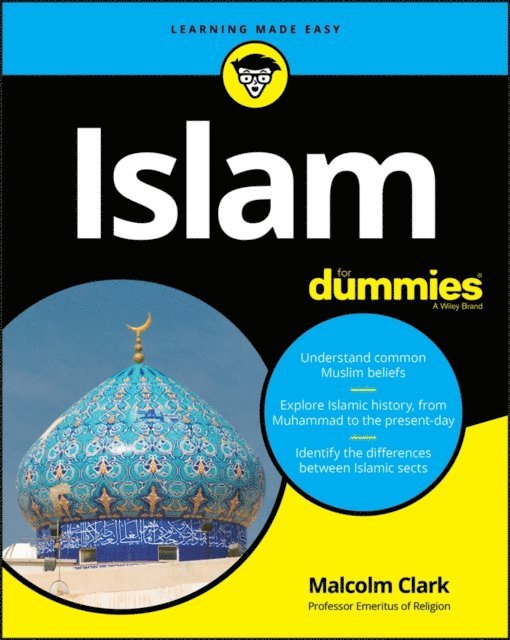
    Islam For Dummies

    AvMalcolm Clark

    Häftad, Engelska, 2019

    187 kr

    Beställningsvara. Skickas inom 5-8 vardagar. Fri frakt över 249 kr.

    Fler format och utgåvor

    E-bok

    226 kr

    E-bok

    225 kr

    Beskrivning

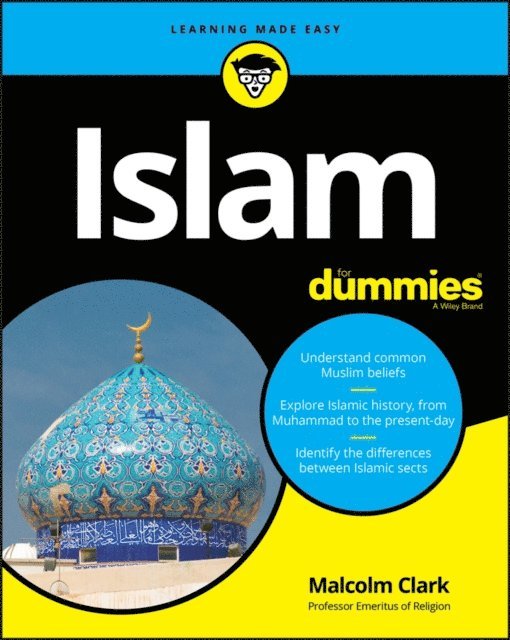
    From the Qur’an to Ramadan, this friendly guide introduces you to the origins, practices and beliefs of IslamMany non-Muslims have no idea that Muslims worship the same God as Christians and Jews, and that Islam preaches compassion, charity, humility, and the brotherhood of man. And the similarities don’t end there. According to Islamic teaching, Muhammad founded Islam in 610 CE after the angel Gabriel appeared to him at Mecca and told him that God had entered him among the ranks of such great biblical prophets as Abraham, Moses, and Christ. Whether you live or work alongside Muslims and want to relate to them better, or you simply want to gain a better understanding of the world’s second largest religion, Islam For Dummies can help you make sense of this religion and its appeal, including: Muhammad, the man and the legendThe Five Pillars of WisdomThe Five Essentials beliefs of IslamThe different branches of Islam and Islamic sectsThe Qur’an and Islamic lawIslam throughout history and its impact around the worldProfessor Malcolm Clark explores the roots of Islam, how it has developed over the centuries, and it’s long and complex relationship with Christianity. He helps puts Islam in perspective as a major cultural and geopolitical force. And he provided helpful insights into, among other things: Muhammad, the Qur’an and the ethical teachings of IslamMuslim worship, customs, and rituals surrounding birth, marriage, and deathShi’ites, Sunnis, Sufis, Druze, and other important Muslim groupsIslam in relation to Judaism and ChristianityIn these troubled times, it is important that we try to understand the belief systems of others, for through understanding comes peace. Islam For Dummies helps you build bridges of understanding between you and your neighbors in the global village.    P.S. If you think this book seems familiar, you’re probably right. The Dummies team updated the cover and design to give the book a fresh feel, but the content is the same as the previous release of Islam For Dummies (9780764555039). The book you see here shouldn’t be considered a new or updated product. But if you’re in the mood to learn something new, check out some of our other books. We’re always writing about new topics! .

    Produktinformation

    • Utgivningsdatum:2019-10-08
    • Mått:183 x 226 x 25 mm
    • Vikt:522 g
    • Format:Häftad
    • Språk:Engelska
    • Antal sidor:400
    • Förlag:John Wiley & Sons Inc
    • ISBN:9781119642978

    Utforska kategorier

    • Religion och tro inom Filosofi och religion

    Mer om författaren

    Professor Malcolm Clark taught in the Department of Religion at Butler University for 30 years.

    Innehållsförteckning

    • Introduction 1About This Book 1Conventions Used in This Book 2Foolish Assumptions 3How This Book is Organized 4Part 1: Understanding the Basics 4Part 2: Muhammad: The Man, the Book, and Rules of Law 4Part 3: Becoming Familiar with Muslim Daily Life 5Part 4: Recognizing That All Muslims Aren’t the Same 5Part 5: Considering Islam’s Concept of Abrahamic Religions 5Part 6: The Part of Tens 5Part 7: Appendixes 5Icons Used in This Book 6Where to Go From Here 6Part 1: Understanding the Basics 7Chapter 1: Approaching Islam 9Getting an Overview of Islamic Origins 9Summarizing Islamic Beliefs 10Dividing into Branches 11Counting the Numbers 11Locating Islam on the World Map 12Chapter 2: Tracing the Path of Islamic History 15The Four Rightly Guided Caliphs 17Choosing a successor: Abu Bakr (632–634) 18Expanding out of Arabia: `Umar (634–644) 19Gathering the Qur’an: `Uthman (644–656) 21Rebelling against `Ali (656–661) 22Expanding the state 23The Golden Age 24Umayyad rule (661–750) 25Abbasid rule (750–1258) 27Bridging the Gap 29Three Great Later Empires 31Ottoman Empire: The Turks 32Safavid Empire: The Iranians 33Mughal Empire: Islam in South Asia 35Chapter 3: Submitting to God 37Affirming the Unity of God: Tawhid 38Clarifying the Terminology: Allah Equals God 40Testifying to God’s Supremacy 41Defining the Attributes of God 42Loving and Knowing God 43Invoking the 99 Names of God 44Dividing the names into categories 45Remembering the names 46Chapter 4: What Muslims Believe 47Stating the Five Essential Beliefs of Islam 47Believing in God 49Believing in God’s angels 50Believing in God’s books and in God’s messengers 50Believing in the last day and the resurrection from the tomb 52Explaining the Faith to Non-Muslims 55Expounding the Faith: Dealing with Difficult Faith Issues 56Naming some theological issues 58Defining a true Muslim 59Relating faith to works 59Degrees of faith 60Anthropomorphizing God 60Created or eternal Qur’an 60Knowing what is good and evil 60Rejecting Formal Creeds 61Chapter 5: Standing Before God: Heaven and Hell 63Understanding Other Beings beyond God and Humans 64Gabriel and the other angels 64Aladdin’s lamp and the jinn 67The Devil made me do it 68Going to Heaven or Hell: From Life to Death to Resurrection 69Dying and the grave 69The resurrection and the final judgment 70Facing the unresolved issues 71Envisioning Heaven and Hell 72Hell and its torments 73Heaven and its delights 74Women and the houris in heaven and hell 74Part 2: Muhammad: The Man, the Book, and Rules of Law 77Chapter 6: The Prophet: Muhammad 79Setting the Stage: Arabia before Muhammad 80Two key cities 81Outside the cities: The beduin 82Arabian religious practices 82Telling the Story of Muhammad 83Growing up 84Summoning the people of Mecca 86Facing opposition 87Establishing the community in Medina 88A chronology from 622 to 630 90Thinking about Muhammad Theologically 92Messenger, prophet, and seal of the prophets 92Comparing Muhammad with Jesus and Moses 92Living like the beautiful example 94Reviewing the miracles of Muhammad 94Exploring the sinlessness of Muhammad 95Respecting Muhammad as intercessor 95Relating Personally to Muhammad 95Naming Muhammad 95Exalting Muhammad in poetry 96Celebrating Muhammad’s birthday 97Preserving the relics of Muhammad 97Viewing Muhammad as the light of the world and the pole of the universe 97Searching for the Historical Muhammad 97Traditional biographies 97Non-Muslim biographies 98Chapter 7: The Book: The Qur’an 99Introducing the Qur’an 100What is scripture? 100The basics of the Qur’an 100Hearing the Qur’an 101Treating the Qur’an with Respect 103Gathering and Organizing the Qur’an 104Putting the Qur’an into writing 104Pronouncing the Qur’an 104Organizing the Qur’an 105Compiling the Qur’an: The Muslim view 105Compiling the Qur’an: The view of non-Muslim scholars 107Compiling the Qur’an: A radical view 108The Style of the Qur’an 108The Qur’an as evocative speech 109The idiom of the Qur’an 110The inimitability of the Qur’an (i`jaz) 110Recurring thematic elements in the Qur’an 111The problem of shifting perspectives in the Qur’an 112Interpreting the Qur’an 113The process of interpreting the Qur’an 113Exoteric and esoteric interpretation 113The abrogated verses 114Using the Qur’an in Daily Life 114Educating through the Qur’an 115Reciting the Qur’an 115Reproducing the Qur’an: Calligraphy 116Opening the Qur’an: The Fatiha 117Chapter 8: Islamic Tradition and Law 119Imitating Muhammad 120Understanding the two parts of a hadith 120Uncovering the contents of a hadith 121Collecting the hadiths 121Reviewing the 40 traditions 123Evaluating the hadiths 123Using hadiths in more modern times 124Understanding God’s Law 125Rooting out the four roots of law (usul al-fiqh) 125Getting legal: The Schools of law (madhhab) 129Making a decision 131Reforming the law 133Part 3: Becoming Familiar with Muslim Daily Life 137Chapter 9: The Five Pillars of Worship: Foundations of Islam 139Purification: Getting Ready for Worship 140Removing impurity 141Sources of impurity 141The Shahada (First Pillar): Testifying 142Salat (Second Pillar): Praying 143When to pray 143Where do Muslims pray? 144Calling to prayer (adhan) 145Doing the first rak`a (bowing) 146Adding additional rak`as and voluntary prayers 148Jum`a: Gathering for Friday congregational prayer 149The mosque (masjid) 149Zakat (Third Pillar): Helping the Needy 152Saum (Fourth Pillar): Reflecting and Fasting 153Dawn to dust 154A day in Ramadan 154The meaning of Saum during Ramadan 155`Id al-fitr (feast of the breaking of the fast) 156Hajj (Fifth Pillar): Making the Pilgrimage to Mecca 156The center of the earth 157The days of pilgrimage 158Making the side trip to Medina (al-ziyarah) 161Chapter 10: Observing Other Religious Rituals and Customs 163Rituals linked to the Yearly Calendar 164Celebrating Muhammad’s birthday 164Typical elements in the celebration of the maulid 166Honoring the saints 168Reviewing other rituals 170Marking Life’s Transitions 171Born yesterday 171Receiving a name 171Offering the sacrifice 172Circumcising (khitan) 172Coming of age 173Getting hitched 175Knocking on death’s door 177Observing Everyday Customs 179Finding food for thought 179Dressing the part 180Minding your manners 182Looking at Women’s Rituals 182Chapter 11: Muslim Ethics: Living the Good Life 185Reviewing the Starting Points for Islamic Ethics 186The principles of Islamic ethics 187Illustrative texts 188Sources for ethical guidance 188Dealing with sins, major and minor 189Applying Ethics to Practical Issues 190Understanding Sexual Ethics 190Outlining Ethics Regarding Marriage and Family 193The role of women 196Medical ethics 198Social and economic justice 199Political issues 200Other ethical issues 200Part 4: Recognizing That All Muslims Aren’t the Same 203Chapter 12: Shi`ites 205Locating and Counting Shi`ite Muslims 206Keeping the Faith in the Family 206Designating `Ali as Muhammad’s successor 207Shi`ite understanding of the imam 207Reviewing Two Foundational Events of Shi`ism 209The betrayal and martyrdom of `Ali 209The martyrdom of Husayn at Karbala 210Postscript: The march of the penitents 211Following the Line of the 12 Imams 211Shi`ism under the Umayyads 211Shi`ism under the Abbasids 212Iran becomes a Twelver Shi`ite state 213Worshipping in Twelver Shi`ite Fashion 214Remembering Husayn at `ashura’ 214Making pilgrimage to the imams’ tombs 215Some differences in Shi`ite rituals 216Thinking like Shi`ites 216Shi`ite religious law (shari`a) 216Shi`ite clergy: The mullas 217Shi`ite philosophers and theologians 218Interacting: Shi`ites, Sufis, and Sunnis 219Shi`ites and Sufis 219Shi`ites and Sunnis 220Chapter 13: Sufis 221Searching for God 222Sufism: An overview of its history 222Textual and historical foundations 224Believing in the Sufi Manner 224Making a Contribution: Outstanding Individual Sufis 226Organizing the Sufi Community 229Lodges 229The Sufi brotherhood 230Acting in the Sufi Manner 230Joining a Sufi brotherhood 231Following the rules of the brotherhood 231Remembering God: Dhikr 231Hearing God: Sama` 232Communal dhikr with sama` 233Putting Faith into Verse: Sufi Literature 233Establishing the Sufi Brotherhoods 234Rejecting Sufism 237Chapter 14: Exploring Lesser-Known Sects Linked to Islam 239`Ibadis (the early Kharijites) 241Zaydis (or Fiver Shi`ites) 241Isma`ili (or Sevener Shi`ite) Groups 242Qarmatians 242Nizaris 242Musta`li, Tayyibis, and Bohras are all the same — almost! 244On the Fringes of Islam and Beyond 245Druze 245`Alawis (Nusayris) 246Alevis 247Ahmadiyya 248Baha’is 249Chapter 15: Islam in America 251Getting an Overview 251Looking at Muslim origins in the United States 251Snapshot of American Muslims today 252Calculating the numbers 253Organizing the Muslim Community 254Building mosques (masjids) 254Establishing national Islamic organizations 255Reestablishing a Black Muslim Community 256Noble Drew Ali 256Wallace D Fard 257Elijah Muhammad 258Malcolm X 258Warith Deen Mohammed 259Reviving the Nation of Islam 260Shi`ites in America 261Sufis in America 261Facing the Future as Muslim Americans 262Internal issues 262External issues 264Part 5: Considering Islam’s Concept of Abrahamic Religions 265Chapter 16: Seeking Common Roots: Abrahamic Religion and Beyond 267Belonging to the Same Family 267Recognizing the same ancestor 268Worshipping the same God 268Sharing the same book 269Reviewing family relations 269Reading the Bible in the Qur’an 270Why the stories in the Qur’an differ from those in the Bible 271The Adam story 272Abraham, Lot, Ishmael, and Isaac 272Joseph: The “most beautiful of stories” 273The Moses story 274The death of Jesus 275Muhammad in the Bible 276Muslims Facing Other Religions 277Two early treaties 277Dhimmi (protected peoples) 278Moving Toward Religious Dialogue 279Principles of dialogue 280The future of inter-religious relations 281Chapter 17: Seeking Common Ground 283Ascertaining Muslims’ Concerns 284Uncovering internal problems in the Muslim world 284Taking the pulse of the Muslim world 285Listing Muslim complaints against the West and possible Western responses 286Listing concerns of American Muslims 287Hearing American Concerns Regarding Muslims 288Facing the Major Issues 290Clash of civilizations 290Human rights 290Democracy and Islam 291Jihad 292Terrorism 293Knowing What’s Needed from the Muslim Side 294Knowing What’s Needed from the Western Side 294Chapter 18: Meeting the Challenge of Modernity 295Considering Islamic Democracy 295Reclaiming Identity as an Islamic State 296Naming the Islamists 297Leading the way: Three Islamist movements 297Identifying what separates Islamist reformers from Islamist radicals 299Forming a Shi`ite Islamic Republic 300Coming of the revolution: Khomeini 300Taking Iran in a new direction 301Facing the future 302Reviewing the Globalization of Islamic Radicalism: bin Laden and Afghanistan 302Afghanistan 302Bin Laden and al-Qaeda 304Part 6: The Part of Tens 305Chapter 19: Ten Muslim Contributions to World Civilization 307Transmission of Greek Writings 308Algebra and Mathematics 308Arabic Numbers 309Astronomy 309Engineering and Technology 310Medicine 310Pharmacology 311Physics, Specifically Optics 311Architecture 312Taj Mahal 312The Alhambra 313Chapter 20: Ten Noteworthy Muslims, Past and Present 315Taking a Long Trip: Ibn Battuta 315Gathering it All Together: al-Tabari 316Wielding the Sword of Saladin 317Glorifying the King: Akbar 318Thinking Deep Thoughts: Ibn Rushd 319Creating the First Philosophy of History: Ibn Khaldun 320Becoming a Hero of the Revolution: Ali Shariati 321Building Great Mosques: Sinan 322Winning the Nobel Prize: Naguib Mahfouz 323Listening to Umm Kulthum 323Chapter 21: Ten Islamic Regions in the News Today 325Africa 326Nigeria 326Sudan 327Tunisia 327South Asia 327Bangladesh 328India 328Kashmir 328Southeast Asia and the Pacific 329Indonesia 329Malaysia 330Philippines 331The Balkan States 331Bosnia-Herzegovina 332Kosovo and Albania 332Iraq 332Lebanon 333Palestine and Israel 334The Former Soviet Union 336Syria 336Turkey 337Part 7: Appendixes 339Appendix A: Counting the Years: The Muslim Calendar 341Appendix B: Glossary 345Appendix C: Resources: Digging Deeper 351Academic Resources 351The Qur’an 352Video Resources 353Computer Software 353Islam on the Web 354Islamic organizations 354Islamic publishers and retailers 355And Finally 355Index 357