• Fri frakt över 249 kr
  • •
  • Snabba leveranser
  • •
  • Billiga böcker
Kundservice

Du är på sajten för privatpersoner.

Företag, bibliotek eller offentlig verksamhet?

Du handlar på classic.bokus.com, där alla dina funktioner finns intakta.
Till classic.bokus.com
Bokus logotyp. Gå till startsidan.
  • Erbjudanden
  • Nyheter
  • Student
  • Topplistor
  • Barn & ungdom
  • Bokus Play
  • E-böcker
  • Pocketböcker
  • Spel & pussel

10% rabatt på allt med kod: NYSTART10 →

Sidfot

Mina sidor

    Hjälp

    • Kundservice
    • Vanliga frågor och svar
    • Frakt och leverans
    • Retur vid ångerrätt
    • Reklamera vara
    • Betalning
    • Köpvillkor
    • Allmänna villkor
    • Information om webbplatsens tillgänglighet

    Om Bokus

    • Om oss
    • Pressrum
    • För studenter
    • För företag
    • För bibliotek och offentlig verksamhet
    • För leverantörer
    • Hållbarhet

    Populärt

    • Aktuella erbjudanden
    • Presentkort
    • Studentlitteratur
    • Nya böcker
    • Topplistor
    • Signerade böcker
    • Engelska böcker

    Inspiration

    • Boktips
    • BookTok
    • Populära bokserier
    • Barnbokskaraktärer
    • Populära författare
    Logotyp för Bokus
    Följ oss på Facebook (extern länk)Följ oss på Instagram (extern länk)Följ oss på YouTube (extern länk)Följ oss på TikTok (extern länk)
    bokus @ CookiesAnpassa cookiesIntegritetspolicyKöpvillkor
    Till Citymail hemsida (extern länk)Till Budbee hemsida (extern länk)Till Postnord hemsida (extern länk)Till Schenker hemsida (extern länk)Till Early Bird hemsida (extern länk)Till Walleys hemsida (extern länk)
    1. Skönlitteratur
    2. Litteraturvetenskap
    3. Litteraturvetenskap

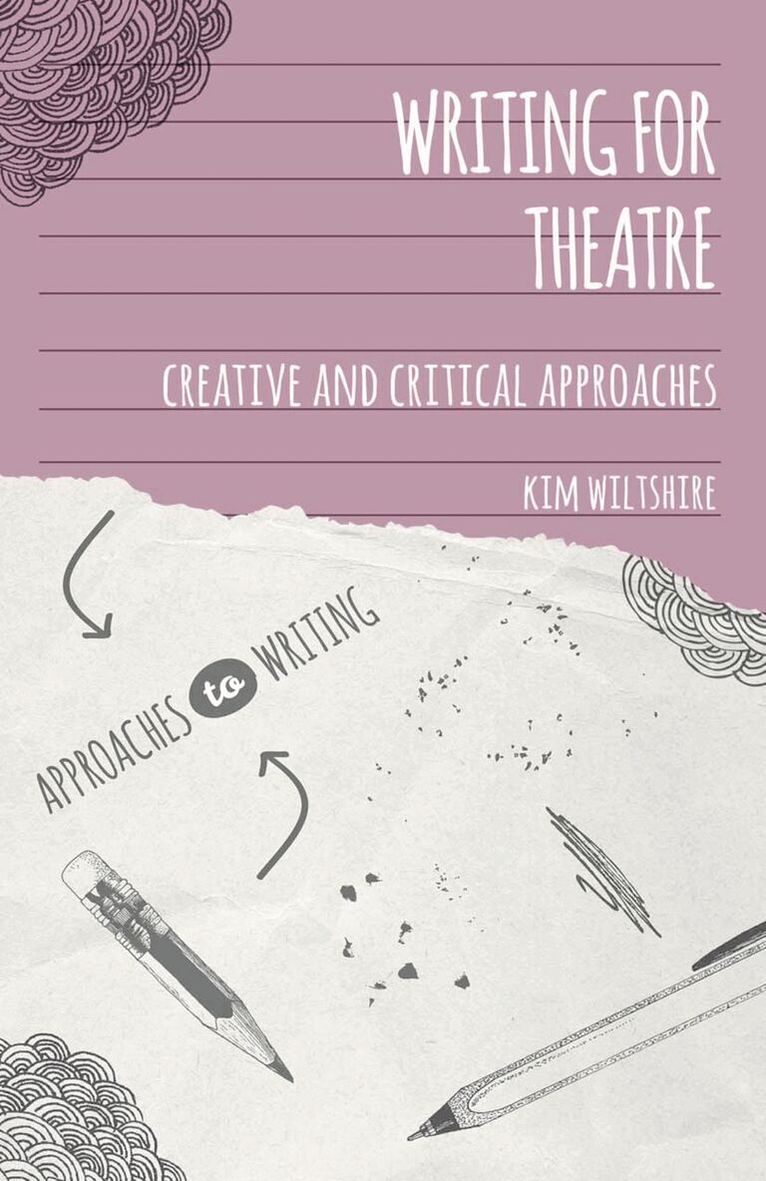
    Writing for Theatre

    Creative and Critical Approaches

    AvKim Wiltshire,Graeme Harper

    Häftad, Engelska, 2015

    Del i serien Approaches to Writing

    455 kr

    Beställningsvara. Skickas inom 10-15 vardagar. Fri frakt över 249 kr.

    Fler format och utgåvor

    E-bok

    435 kr

    E-bok

    486 kr

    Beskrivning

    Writing for theatre is a unique art form, different even from other kinds of scriptwriting. Making theatre is a truly collaborative process which can be a tricky aspect to grasp when starting out. This book will take you on a journey from the origins of theatre to what it means to write for the stage today. It includes a series of interviews with writers, directors and dramaturgs, all of whom are making theatre now, providing an unrivalled glimpse into the world of contemporary theatre making. Kim Wiltshire explores the foundations, traits and skills necessary for playwriting alongside the creative possibilities of writing theatre in the digital age. Each part of the book ends with a series of exercises which students of the craft can use to practise their art and stretch their creativity.

    Produktinformation

    • Utgivningsdatum:2015-12-02
    • Mått:138 x 138 x 12 mm
    • Vikt:254 g
    • Format:Häftad
    • Språk:Engelska
    • Serie:Approaches to Writing
    • Antal sidor:208
    • Förlag:Bloomsbury Publishing PLC
    • ISBN:9781137369192

    Utforska kategorier

    • Litteraturvetenskap inom Skönlitteratur
    • Kreativt skrivande inom Språk och ordböcker

    Mer om författaren

    Kim Wiltshire is a playwright and fiction writer, and is Senior Lecturer in Creative Writing at Edge Hill University, UK.

    Innehållsförteckning

    • IntroductionCollaborationCritical EngagementWhat is writing for theatre?On A Practical NoteUsing This BookA Collaborative Approach to Writing About PlaywritingRole definitionsPART 1: FOUNDATIONS1. A Brief History of Theatre for Playwrights Ancient Theatre Medieval Theatre The Renaissance The Seventeenth Century to the Twentieth Century2. The Cultures of Writing for Theatre – Innovators Innovators of the past Nineteenth Century Innovators Twentieth Century Innovators Who else can new playwrights learn from?3. Establishing Practice What is theatre for? Why write for theatre?4. Becoming a Playwright Empathy Ambition/Drive Humility Knowing Your Craft Imagination Knowing the business of theatre5. Building Blocks Subject and Story Structure Form Voice and Style Building the world Character and Dialogue6. Foundational Exercises and Key Points Exercise 1 Starting Point Exercise 2 – Character Exercise 3 – Character Exercise 4 – Plotting and Story Exercise 5 – Location Exercise 6 – Economy and exploration of Language Exercise 7 – Performing Work Exercise 8 – PlottingTheatre ShapesConclusion to Part 1PART 2: SPECULATIONSIntroduction7. Exploring Possibilities Types of theatre Theatre in the digital age8. Cultures of Writing for Theatre – Innovators Bringing Theatre to a new audience Who can new playwrights learn from?9. Exploring Practice: Making Theatre in the 21st Century Changing practice New Forms of Theatre Ethnographic, Verbatim and Participant Led Theatre Dramaturgs and Dramaturgy10. New Voices, New Forms Collaboration Collaborative Writing Theatre Making Collaboration with other artists Collaboration with other art forms11. Speculative Exercises and Key Points Exercise 1 – Pitching Exercise 2 – Awareness Exercise 3 – Sensory Exercise 4 – Objects Exercise 5 – Unblocking Exercise 6 – Improvise/Devise Exercise 7 – Art forms Exercise 8 – Patience Exercise 9 – Secrets and Lies Where to go next?A Final Word of Advice on Social MediaConclusion.