Inbunden, Engelska, 2020
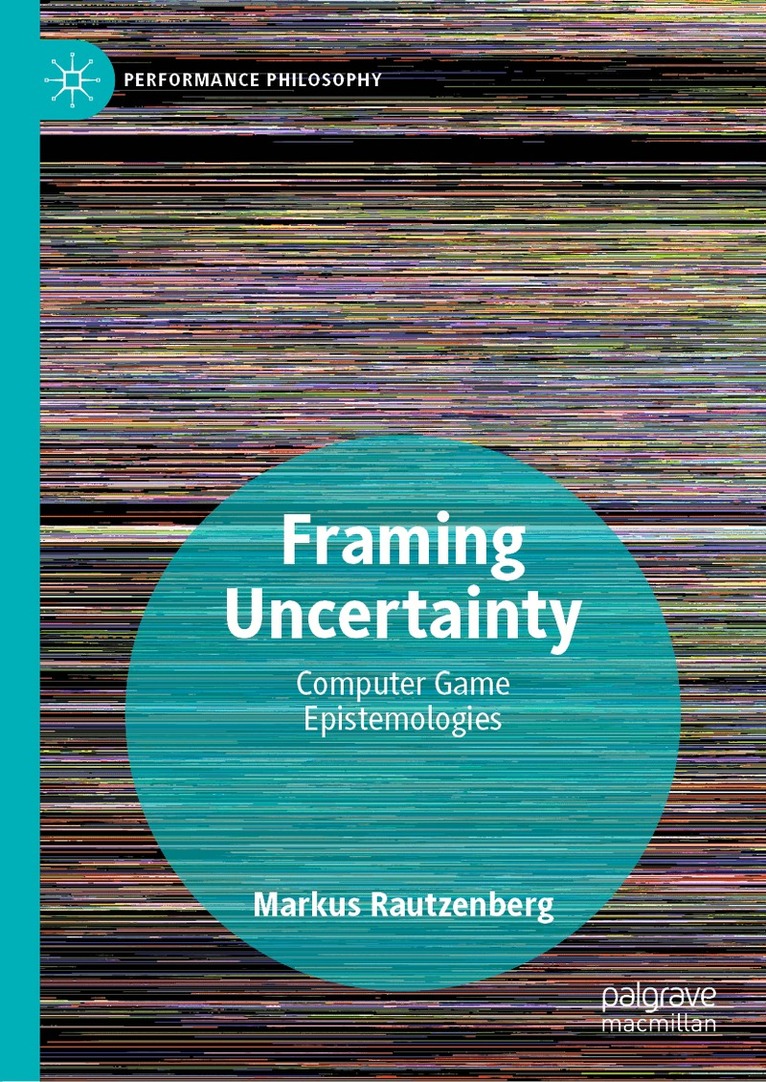
Framing Uncertainty
680 kr
Beställningsvara. Skickas inom 10-15 vardagar. Fri frakt över 249 kr.
Beskrivning
This book presents a compilation of articles on the subject of game studies written over the last ten years. These texts reflect a decade of research in European computer game studies from a theoretical perspective that combines philosophy, cultural studies, visual studies, and media studies in a way that is unique to a specific type of media theory developed in Germany over the last thirty years. This theory differs quite significantly from media studies as usually conceived in Anglo-American academia, providing new perspectives that are rooted in continental philosophical traditions ranging from phenomenology to post-structuralism and newer forms of “presence studies” in aesthetic theory.The book provides (1) an introduction to a continental approach to game philosophy; (2) an aesthetic theory of computer games rooted in concepts of performativity and epistemology; and (3) an introduction to an interdisciplinary approach to game studies that is based on philosophical perspectives on the subject matter.
Produktinformation
- Utgivningsdatum: 2020-02-09
- Mått: 148 x 210 x 17 mm
- Vikt: 376 g
- Format: Inbunden
- Språk: Engelska
- Serie: Performance Philosophy
- Antal sidor: 167
- Upplaga: 20001
- Förlag: Palgrave Macmillan
- ISBN: 9781137595201
Utforska kategorier
Betyg & recensioner
0 recensioner
Inga recensioner tillgängliga.