• Fri frakt över 249 kr
  • •
  • Snabba leveranser
  • •
  • Billiga böcker
Kundservice

Du är på sajten för privatpersoner.

Företag, bibliotek eller offentlig verksamhet?

Du handlar på classic.bokus.com, där alla dina funktioner finns intakta.
Till classic.bokus.com
Bokus logotyp. Gå till startsidan.
  • Erbjudanden
  • Nyheter
  • Student
  • Topplistor
  • Barn & ungdom
  • Bokus Play
  • E-böcker
  • Pocketböcker
  • Spel & pussel

10% rabatt på allt med kod: NYSTART10 →

Sidfot

Mina sidor

    Hjälp

    • Kundservice
    • Vanliga frågor och svar
    • Frakt och leverans
    • Retur vid ångerrätt
    • Reklamera vara
    • Betalning
    • Köpvillkor
    • Allmänna villkor
    • Information om webbplatsens tillgänglighet

    Om Bokus

    • Om oss
    • Pressrum
    • För studenter
    • För företag
    • För bibliotek och offentlig verksamhet
    • För leverantörer
    • Hållbarhet

    Populärt

    • Aktuella erbjudanden
    • Presentkort
    • Studentlitteratur
    • Nya böcker
    • Topplistor
    • Signerade böcker
    • Engelska böcker

    Inspiration

    • Boktips
    • BookTok
    • Populära bokserier
    • Barnbokskaraktärer
    • Populära författare
    Logotyp för Bokus
    Följ oss på Facebook (extern länk)Följ oss på Instagram (extern länk)Följ oss på YouTube (extern länk)Följ oss på TikTok (extern länk)
    bokus @ CookiesAnpassa cookiesIntegritetspolicyKöpvillkor
    Till Citymail hemsida (extern länk)Till Budbee hemsida (extern länk)Till Postnord hemsida (extern länk)Till Schenker hemsida (extern länk)Till Early Bird hemsida (extern länk)Till Walleys hemsida (extern länk)
    1. Djur och Natur
    2. Naturböcker
    3. Växtböcker

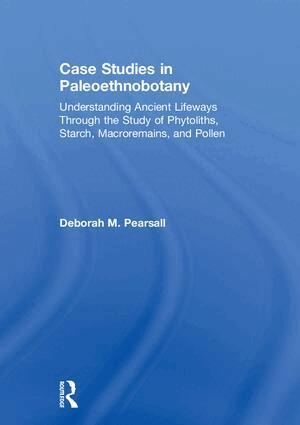
    Case Studies in Paleoethnobotany

    Understanding Ancient Lifeways through the Study of Phytoliths, Starch, Macroremains, and Pollen

    AvDeborah Pearsall

    Inbunden, Engelska, 2018

    2 493 kr

    Beställningsvara. Skickas inom 10-15 vardagar. Fri frakt över 249 kr.

    Fler format och utgåvor

    E-bok

    743 kr

    E-bok

    743 kr

    Häftad

    629 kr

    Beskrivning

    Case Studies in Paleoethnobotany focuses on interpretation in paleoethnobotany. In it the reader is guided through the process of analyzing archaeobotanical data and of using that data to address research questions. Part I introduces archaeobotanical remains and how they are deposited, preserved, sampled, recovered, and analyzed. Five issue-oriented case studies make up Part II and illustrate paleoethnobotanical inference and applications. A recurrent theme is the strength of using multiple lines of evidence to address issues of significance.This book is unique in its explicit focus on interpretation for "consumers" of paleoethnobotanical knowledge. Paleoethnobotanical inference is increasingly sophisticated and contributes to our understanding of the past in ways that may not be apparent outside the field or to all practitioners. The case study format allows in-depth exploration of the process of interpretation in the context of significant issues that will engage readers. No other work introduces paleoethnobotany and illustrates its application in this way.This book will appeal to students interested in ancient plant–people interrelationships, as well as archaeologists, paleoethnobotanists, and paleoecologists. The short methods chapters and topical case studies are ideal for instructors of classes in archaeological methods, environmental archaeology, and ethnobiology.

    Produktinformation

    • Utgivningsdatum:2018-07-03
    • Mått:174 x 246 x 21 mm
    • Vikt:771 g
    • Format:Inbunden
    • Språk:Engelska
    • Antal sidor:260
    • Förlag:Taylor & Francis Ltd
    • ISBN:9781138544710

    Utforska kategorier

    • Växtböcker inom Djur och Natur
    • Arkeologi inom Historia och arkeologi
    • Botanik inom Naturvetenskap och teknik

    Mer om författaren

    Deborah M. Pearsall is Professor Emeritus at the University of Missouri, having retired in 2013 after 35 years. She holds a BA from the University of Michigan and an MA and PhD from the University of Illinois, all of which are in the subject of Anthropology. Her interests within this discipline center on South American archaeology and paleoethnobotany: the study of plant–people interrelationships through the archaeological record. She has conducted paleoethnobotanical research in numerous locations in the Americas. Her research has two broad themes: the origins and spread of agriculture in the lowland Neotropics, and methods and approaches in paleoethnobotany. She is the author of three books: Paleoethnobotany: A Handbook of Procedures; Plants and People in Ancient Ecuador: The Ethnobotany of the Jama River Valley; and, with D. R. Piperno, The Origins of Agriculture in the Lowland Neotropics. She was also the general editor of Academic Press’s 2008 Encyclopedia of Archaeology and has published in numerous professional journals and edited collections.

    Innehållsförteckning

    • Table of ContentsPrefacePart I: The Nature and Study of Paleoethnobotanical RemainsChapter 1. Paleoethnobotanical RemainsIntroduction: The Paleoethnobotanical ApproachPaleoethnobotanical Data and their StudyMacroremainsSeedsFruits and nutsWoodRoots and tubersPollenPhytolithsStarchStudying archaeobotanical remainsThe comparative collectionChapter 2. Deposition and Preservation of Paleoethnobotanical RemainsIntroductionMacroremain Deposition and PreservationSummaryDepositionPreservationGrinding stone examplePhytolith Deposition and PreservationSummaryDepositionPreservationGrinding stone exampleStarch Deposition and PreservationSummaryDepositionPreservationGrinding stone examplePollen Deposition and PreservationSummaryDepositionPreservationGrinding stone exampleConclusion: Deposition and Preservation of Paleoethnobotanical RemainsChapter 3. Field Sampling and RecoveryIntroductionStrategies and Techniques for SamplingFlotation and Fine SievingFlotation example: Using a SMAP-style systemPre-flotation preparationsFlotationPost-flotation cleanupHints for good recovery of macroremains by machine-assisted flotationCollecting Artifacts and Residues for Starch (and other microfossil) AnalysisGuidelines for selecting artifactsCriteria for artifact selectionControl samplesHandling artifactsProvenience informationField-sampling of residues for microfossil studySuppliesProcedure for unwashed artifactsReducing water volumeChapter 4. Approaches to Paleoethnobotanical InterpretationIntroductionQualitative analysisQuantitative analysisCommon Measures used to Interpret Archaeobotanical DataRaw data tabulationUbiquity/percentage presenceRatiosDiversityApplication of multivariate techniquesReading a Stratigraphic DiagramPart II: Interpreting Paleoethnobotanical Data: Case StudiesChapter 5. Investigating Neanderthal Life-ways through PaleoethnobotanyIntroductionBackground to the Case StudyNeanderthal Diet(s): The Contribution of Plant and Animal FoodsNeanderthals as top predators: Faunal and isotope evidenceNeanderthals as foragers: Botanical evidenceNear East and MediterraneanCentral and northern EuropeForaging practices of early modern humansNear East, Europe and AfricaSouth and Southeast AsiaDiscussion: Plant foods in Neanderthal dietNeanderthal-Plant Interrelationships Beyond DietMedicinal plant useFuel selectionEcosystem managementSpatial Organization of Sites as a Reflection of Modern BehaviorEarly modern human example: Sibudu Cave, South AfricaSummary and discussion: Neanderthals and modern behaviors beyond dietConclusion: Investigating Neanderthal Life-ways through PaleoethnobotanyChapter 6. The Paleoethnobotany of Maize: Understanding Domestication and AgricultureIntroductionIs it maize? Identifying and Characterizing Maize RemainsIntroductionMacroremainsPollenPhytolithsStarchSummary and discussion: Identifying maizeAssessing the Importance of Maize in Prehistoric Food-waysIntroductionAssessing the abundance of maizeAssessing the impact of maize on the landscapeSummary and discussion: Identifying the importance and impact of maizeConclusion: Contributions of Paleoethnobotany to Studying Domestication and AgricultureChapter 7. Archaeobotany and Insights into Social Relationships at CahokiaIntroductionOverview of Cahokia: The Site, Chiefdom, and Subsistence BaseCahokia: Site and cultural sequenceSubsistence and landuseChanging Social Relationships and Foodways: OverviewMaize, Elites, and Ritual at CahokiaInsights from macroremains, cooking pots, and residuesStable isotope and skeletal studies of human remainsSummary: Maize and social status at CahokiaFood, Status, and Social Relationships: Beyond MaizeAnimals in ritual and diet of elites and non-elites at CahokiaBlack drink and cacaoConclusion: Contributions of Paleoethnobotany to understanding social relationships at CahokiaChapter 8. An Individual's Relationship to the Natural World: Ötzi, the Tyrolean IcemanIntroductionDiscovery and ExcavationThe Iceman’s Equipment and ClothingStudies of the Iceman’s BodyHealth and cause of deathClues to Ötzi's diet and travelsEnvironmental and Archaeological Studies of the Iceman Site and RegionConclusion: Insights from Paleoethnobotany into the Life and Times of ÖtziChapter 9. Plants and Healing/HealthIntroductionInterpretation based on Medicinal Properties of PlantsEastern North AmericaEurope and Southwest AsiaAfricaMedicinal Plants in Compelling Archaeological ContextsCentral and South AmericaEuropeEast AsiaCoprolites and Latrines: Evidence from the Ingestion of Medicinal PlantsNorth AmericaSouth AmericaSouthwest Asia and EuropeAnalyzing Medicinal Preparations/ResiduesNorth AmericaEurope and AfricaIdentifying Active Plant Agents in Human RemainsConclusion: Investigating Plants and Healing/Health through PaleoethnobotanyChapter 10. Conclusion: Understanding Ancient Lifeways through PaleoethnobotanyIntroductionMethodological Aspects of Making Convincing InterpretationsApproaching Interpretation at Different Scales of AnalysisFinal Thoughts