Constructing the Canon of Early Modern Drama
640 kr
Beställningsvara. Skickas inom 5-8 vardagar. Fri frakt över 249 kr.
Du är på sajten för privatpersoner.
640 kr
Beställningsvara. Skickas inom 5-8 vardagar. Fri frakt över 249 kr.
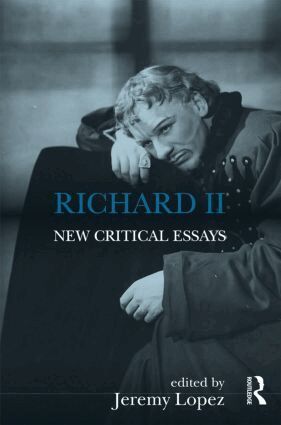
Jeremy Lopez is Associate Professor of English at the University of Toronto. He is the author of Theatrical Convention and Audience Response in Early Modern Drama (2003), the editor of New Critical Essays: Richard II (2012) and has written numerous articles on the drama of Shakespeare and his contemporaries. From 2003 to 2013 he served as theatre review editor for Shakespeare Bulletin, and he is currently, with Paul Menzer (Mary Baldwin College), editor of the on-line early modern studies journal The Hare.
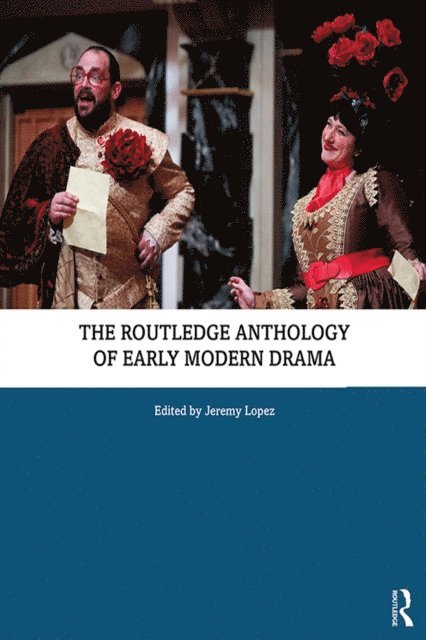
'This is a remarkable book: confidently and wittily written, exhaustively and widely researched, timely, provocative, enlightening and highly original. The strength of Lopez's argument is that he resists the impulse to shape his own anthology, offering instead a history and a method of critical enquiry and appreciation that completely destabilise current practice.' Richard Cave, Royal Holloway, University of London
Du är på sajten för privatpersoner.
640 kr
Beställningsvara. Skickas inom 5-8 vardagar. Fri frakt över 249 kr.
Jeremy Lopez is Associate Professor of English at the University of Toronto. He is the author of Theatrical Convention and Audience Response in Early Modern Drama (2003), the editor of New Critical Essays: Richard II (2012) and has written numerous articles on the drama of Shakespeare and his contemporaries. From 2003 to 2013 he served as theatre review editor for Shakespeare Bulletin, and he is currently, with Paul Menzer (Mary Baldwin College), editor of the on-line early modern studies journal The Hare.
'This is a remarkable book: confidently and wittily written, exhaustively and widely researched, timely, provocative, enlightening and highly original. The strength of Lopez's argument is that he resists the impulse to shape his own anthology, offering instead a history and a method of critical enquiry and appreciation that completely destabilise current practice.' Richard Cave, Royal Holloway, University of London