• Fri frakt över 249 kr
  • •
  • Snabba leveranser
  • •
  • Billiga böcker
Kundservice

Du är på sajten för privatpersoner.

Företag, bibliotek eller offentlig verksamhet?

Du handlar på classic.bokus.com, där alla dina funktioner finns intakta.
Till classic.bokus.com
Bokus logotyp. Gå till startsidan.
  • Erbjudanden
  • Nyheter
  • Student
  • Topplistor
  • Barn & ungdom
  • Bokus Play
  • E-böcker
  • Pocketböcker
  • Spel & pussel

Må bättre, för mindre! Upp till 50% rabatt på hälsoböcker

Sidfot

Mina sidor

    Hjälp

    • Kundservice
    • Vanliga frågor och svar
    • Frakt och leverans
    • Retur vid ångerrätt
    • Reklamera vara
    • Betalning
    • Köpvillkor
    • Allmänna villkor
    • Information om webbplatsens tillgänglighet

    Om Bokus

    • Om oss
    • Pressrum
    • För studenter
    • För företag
    • För bibliotek och offentlig verksamhet
    • För leverantörer
    • Hållbarhet

    Populärt

    • Aktuella erbjudanden
    • Presentkort
    • Studentlitteratur
    • Nya böcker
    • Topplistor
    • Signerade böcker
    • Engelska böcker

    Inspiration

    • Boktips
    • BookTok
    • Populära bokserier
    • Barnbokskaraktärer
    • Populära författare
    Logotyp för Bokus
    Följ oss på Facebook (extern länk)Följ oss på Instagram (extern länk)Följ oss på YouTube (extern länk)Följ oss på TikTok (extern länk)
    bokus @ CookiesAnpassa cookiesIntegritetspolicyKöpvillkor
    Till Citymail hemsida (extern länk)Till Budbee hemsida (extern länk)Till Postnord hemsida (extern länk)Till Schenker hemsida (extern länk)Till Early Bird hemsida (extern länk)Till Walleys hemsida (extern länk)
    1. Kultur
    2. Scenkonst och film
    3. Film

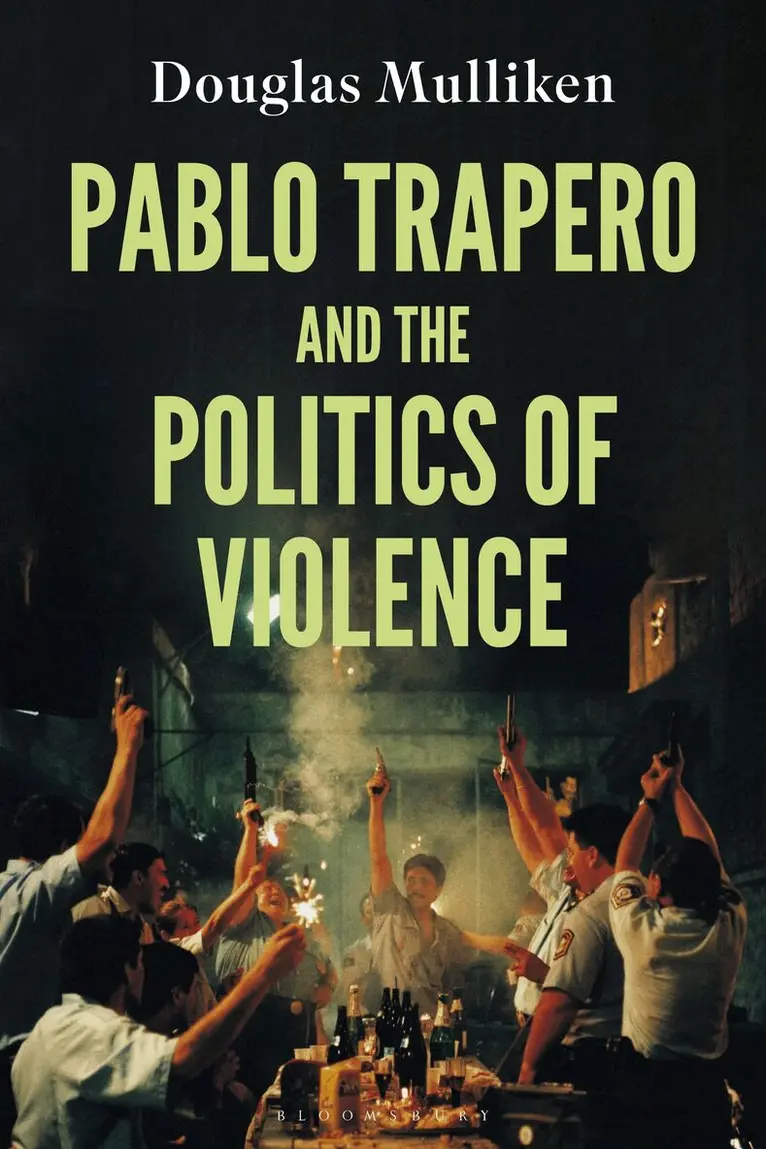
    Pablo Trapero and the Politics of Violence

    AvDouglas Mulliken,Lúcia Nagib

    Inbunden, Engelska, 2022

    Del i serien World Cinema

    1 407 kr

    Beställningsvara. Skickas inom 10-15 vardagar. Fri frakt över 249 kr.

    Fler format och utgåvor

    E-bok

    481 kr

    E-bok

    481 kr

    Häftad

    449 kr

    Beskrivning

    This innovative study finds that, through his unique representation of violence, Argentine director Pablo Trapero has established himself as one of the 21st century’s distinctly political filmmakers. By examining the broad concept of violence and how it is represented on-screen, Douglas Mulliken identifies and analyzes the ways in which Trapero utilizes violence, particularly Žižek’s concept of objective violence, as a means through which to mediate the politicalThrough a focus on several previously under-studied elements of Trapero’s films, Mulliken highlights the ways in which the director’s work represents present-day concerns about social inequalities and injustice in neoliberal Argentina on-screen. Finally, he examines how Trapero combines aspects of Argentina’s long tradition of political film with elements of Nuevo Cine Argentino to create a unique political voice.

    Produktinformation

    • Utgivningsdatum:2022-02-10
    • Mått:156 x 236 x 20 mm
    • Vikt:1 080 g
    • Format:Inbunden
    • Språk:Engelska
    • Serie:World Cinema
    • Antal sidor:264
    • Förlag:Bloomsbury Publishing PLC
    • ISBN:9781350163386

    Utforska kategorier

    • Film inom Kultur

    Mer om författaren

    Douglas Mulliken received his PhD from the School of Modern Languages and Cultures at the University of Glasgow, UK. He holds master’s degrees from the University of Virginia and the University of Cape Town. In addition to his work on Argentina, he has published on Mozambican cinema.

    Recensioner i media

    Pablo Trapero and the Politics of Violence is the first serious examination of the oeuvre of one of Argentina most important contemporary filmmakers. The author offers meticulous analyzes of Trapero’s films that cohere around the topic of violence, providing an exploration of Argentine culture that is both timely and well-conceived.

    Innehållsförteckning

    • IntroductionA History of ViolenceA Hauntology of ViolenceThe Changing Nature of Political FilmNeoliberalism and IdeologyA Cyclical CareerPart I: The Individual and the State1. Neoliberalism, Violence, and the New Argentina1.1 The Violence of NeoliberalismFrom Objective to Subjective ViolenceMasculinity in Crisis1.2 Mundo GrúaThe Precariat on ScreenPhysical and Emotional Estrangement1.3 CaranchoWhat is Shown, What is NotResistance and the Middle ClassMargani v. DarínResponse to Violence2. Repression, Ideology, and the Manipulation of Power2.1 Theories of Power2.2 El BonaerenseEl Conurbano“La Bonaerense”Police Repressive State ApparatusZapa2.3 Elefante BlancoCiudad Oculta and the Catholic ChurchAuthority and the Legacy of MugicaState Violence and DeathPart II: Violence and the Family3. The Violence of the Arborescent Family3.1 Theories of the FamilyFamily and ControlFamily as Source of Violence3.2 Familia RodanteThe Potent Symbolism of the FamilyThe Family as a Locus of RetentionDiscipline and Rebellion3.3 El ClanAdult Paranoiacs, Child NeuroticsThe Violence of the Family4. The Rhizome as Alternative Family Model4.1 Rhizomes and the becoming-familyPrison: Arborescent or Rhizomatic?The State of Exception4.2 Nacido y CriadoDesaparecidosHomo Sacer and the State of ExceptionPatagonia and Rhizomes4.3 LeoneraPrison and Prison FilmsRhizomatic FamiliesConclusionAppendix: Interview with Pablo Trapero