E-bok, Engelska, 2022
Practical Renaissance
470 kr
Läs direkt i Bokus Reader – eller ladda ned till din enhet (PDF kräver ofta zoom och scroll på små skärmar).
Beskrivning
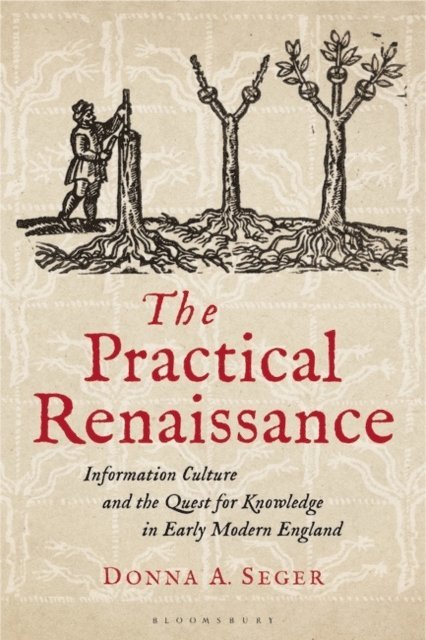
What sort of information did people in early modern England seek? In The Practical Renaissance Donna Seger explores the diffusion and reception of prescriptive publications over the 16th and 17th centuries. Published in an age of dynamic religious and political change, these texts demonstrate the universal desire for health and wealth, a fortified body and an orderly household.
Showing how classical and continental information had been "Englished" over time, this book shows how new publications supplanted these traditional ideas with more empirical and authoritative knowledge. Published in an age of dynamic religious and political change, these texts, which include plague tracts, husbandry handbooks, printed recipe books, and navigation manuals, demonstrate the universal desire for health and wealth, a fortified body and an orderly household. Divided into three parts, the opening chapters explore factors which affected the diffusion of practical knowledge via prescriptive texts. Part two focuses on the interaction between new discoveries and traditional authority, and the final section considers debates in the ''medical marketplace'', the term ''knowledge-mongerer'' and the commodification of knowledge at this time.
A thorough exploration into the popular and pragmatic expressions of the period, The Practical Renaissance offers a new window into the movement in which knowledge and information became power.
Showing how classical and continental information had been "Englished" over time, this book shows how new publications supplanted these traditional ideas with more empirical and authoritative knowledge. Published in an age of dynamic religious and political change, these texts, which include plague tracts, husbandry handbooks, printed recipe books, and navigation manuals, demonstrate the universal desire for health and wealth, a fortified body and an orderly household. Divided into three parts, the opening chapters explore factors which affected the diffusion of practical knowledge via prescriptive texts. Part two focuses on the interaction between new discoveries and traditional authority, and the final section considers debates in the ''medical marketplace'', the term ''knowledge-mongerer'' and the commodification of knowledge at this time.
A thorough exploration into the popular and pragmatic expressions of the period, The Practical Renaissance offers a new window into the movement in which knowledge and information became power.
Produktinformation
- Utgivningsdatum: 2022-02-10
- Språk: Engelska
- Antal sidor: 248
- Filformat: PDF
- Kopieringsskydd: LCP
- ISBN: 9781350200210
- Förlag: Bloomsbury Publishing PLC
Utforska kategorier
Betyg & recensioner
0 recensioner
Inga recensioner tillgängliga.