Inbunden, Engelska, 2027
Hadrian and Hellenism
Av Anna Kouremenos, Frank Daubner
1228 kr
Kommande
Beskrivning
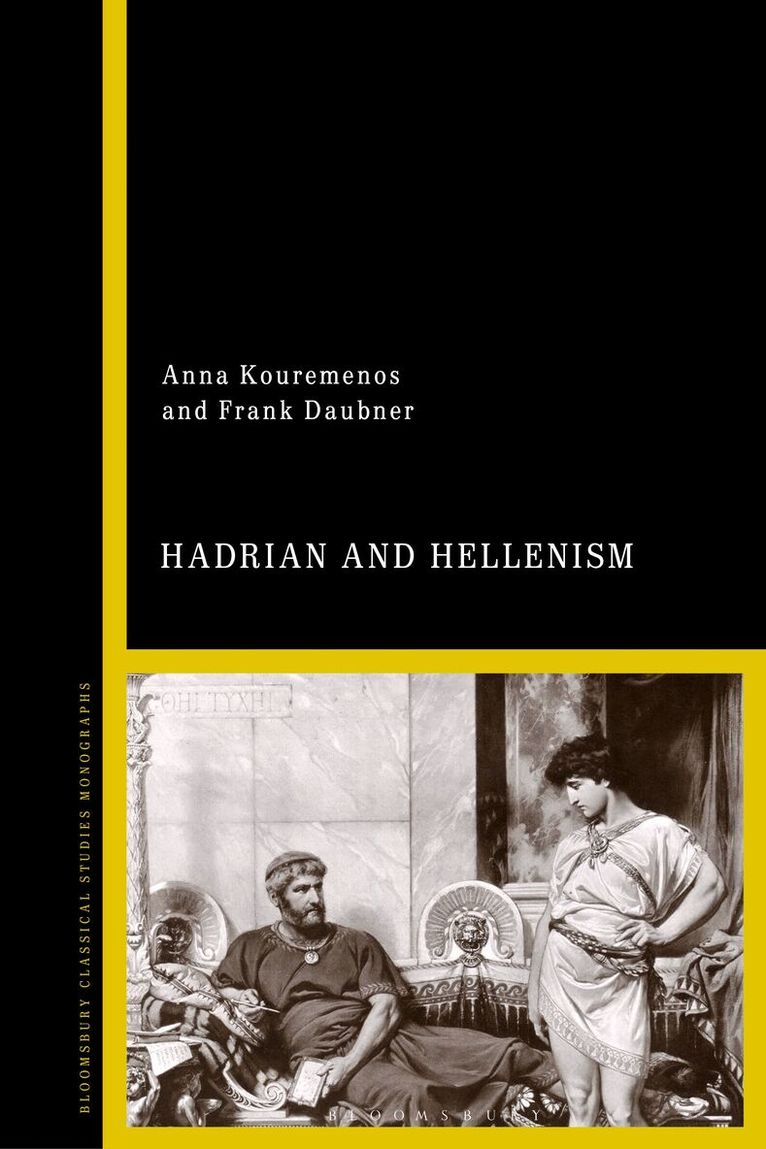
How does a Roman emperor secure permanent glory following the reign of Trajan, deemed Rome’s greatest leader (optimus princeps)? For Hadrian (r. 117–38 CE), the answer lay not in military expansion, but in a calculated and deeply personal fascination with the Greek past. Greekness became for him a canvas through which identity was tested, refined and ultimately staged for eternity. The emperor’s attraction to Greek language, culture, myth, institutions and bodies is read here as a form of strategic intimacy, one that allowed him to inhabit multiple selves at once: Roman administrator, Athenian citizen, cultural arbiter and creator of memory. Within this space, these roles reinforced one another, serving as the ultimate vehicle for his own kleos (eternal glory).Yet, the emperor's quest did not end with his death. Hadrian and Hellenism is the first in-depth study to trace the diachronic reception of his legacy. Tracking his afterlife through medieval chroniclers, Renaissance humanism, 19th-century philhellenism and modern literature and the arts, the authors reveal that Hadrianic Hellenism was a generative tradition constantly reshaped across the centuries. Groundbreaking and meticulously researched, this book invites readers to discover how a Roman emperor succeeded in his ultimate existential quest: achieving permanence through the timeless spirit of Hellenism.
Produktinformation
- Utgivningsdatum: 2027-01-07
- Mått: 156 x 234 x 25 mm
- Vikt: 454 g
- Format: Inbunden
- Språk: Engelska
- Antal sidor: 288
- Förlag: Bloomsbury Publishing PLC
- ISBN: 9781350657205
Utforska kategorier
Betyg & recensioner
0 recensioner
Inga recensioner tillgängliga.