• Fri frakt över 249 kr
  • •
  • Snabba leveranser
  • •
  • Billiga böcker
Kundservice

Du är på sajten för privatpersoner.

Företag, bibliotek eller offentlig verksamhet?

Du handlar på classic.bokus.com, där alla dina funktioner finns intakta.
Till classic.bokus.com
Bokus logotyp. Gå till startsidan.
  • Erbjudanden
  • Nyheter
  • Student
  • Topplistor
  • Barn & ungdom
  • Bokus Play
  • E-böcker
  • Pocketböcker
  • Spel & pussel

10% rabatt på allt med kod: NYSTART10 →

Sidfot

Mina sidor

    Hjälp

    • Kundservice
    • Vanliga frågor och svar
    • Frakt och leverans
    • Retur vid ångerrätt
    • Reklamera vara
    • Betalning
    • Köpvillkor
    • Allmänna villkor
    • Information om webbplatsens tillgänglighet

    Om Bokus

    • Om oss
    • Pressrum
    • För studenter
    • För företag
    • För bibliotek och offentlig verksamhet
    • För leverantörer
    • Hållbarhet

    Populärt

    • Aktuella erbjudanden
    • Presentkort
    • Studentlitteratur
    • Nya böcker
    • Topplistor
    • Signerade böcker
    • Engelska böcker

    Inspiration

    • Boktips
    • BookTok
    • Populära bokserier
    • Barnbokskaraktärer
    • Populära författare
    Logotyp för Bokus
    Följ oss på Facebook (extern länk)Följ oss på Instagram (extern länk)Följ oss på YouTube (extern länk)Följ oss på TikTok (extern länk)
    bokus @ CookiesAnpassa cookiesIntegritetspolicyKöpvillkor
    Till Citymail hemsida (extern länk)Till Budbee hemsida (extern länk)Till Postnord hemsida (extern länk)Till Schenker hemsida (extern länk)Till Early Bird hemsida (extern länk)Till Walleys hemsida (extern länk)
    1. Historia och arkeologi
    2. Historia
    3. Forntidens historia

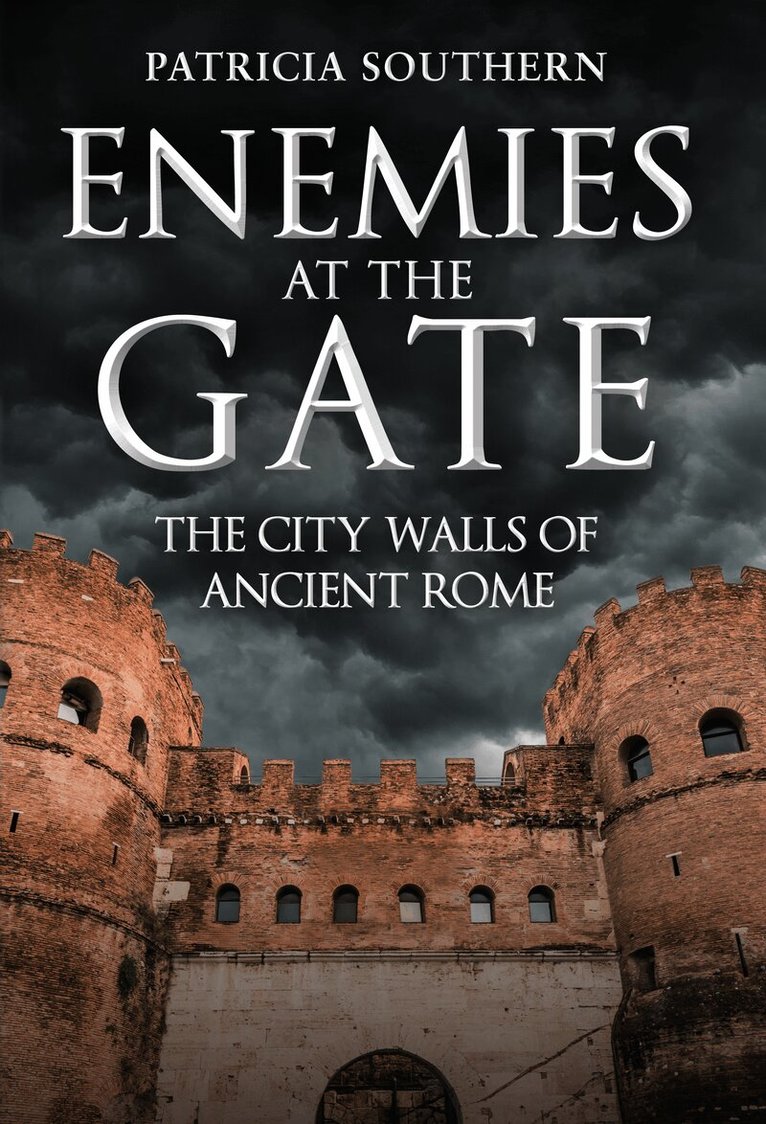
    Enemies at the Gate

    The City Walls of Ancient Rome

    AvPatricia Southern

    Inbunden, Engelska, 2024

    325 kr

    Skickas . Fri frakt över 249 kr.

    Beskrivning

    The earliest known wall in Rome encircled the early settlement on the Palatine Hill. Archaeological evidence corroborates the traditional date of the city’s foundation in the eighth century BC. No new wall is known until the early sixth century BC, when King Servius Tullius built the defences named after him. The growth of the Empire and the erection of frontiers by the Emperor Hadrian obviated the need for walls around Rome until the third century AD, when invading tribes crossed the frontiers. Defensive walls were built around several Roman cities, and in AD 274 the Emperor Aurelian constructed a new wall round Rome itself. Most of the Aurelian wall, built of millions of bricks, still stands.During the civil wars of the early fourth century AD, the Emperors Severus II and Galerius besieged Rome but failed to gain entry. The wall was heightened in the early fifth century by the Emperor Honorius, the final version possessing ramparts, artillery platforms, and galleries with arrow slits. Neither frontiers nor walls can ever be impermeable, so Rome was famously taken but not held by Alaric in 410 and later by Totila, King of the Ostrogoths. After some neglect, from the seventh or eighth century AD onwards it was the Popes who kept the wall in repair, as attested by the many commemorative stones set in the brickwork. Repairs are ongoing, of course, to this vast ancient monument.

    Produktinformation

    • Utgivningsdatum:2024-05-15
    • Mått:156 x 234 x 41 mm
    • Vikt:798 g
    • Format:Inbunden
    • Språk:Engelska
    • Antal sidor:384
    • Förlag:Amberley Publishing
    • ISBN:9781398112971

    Utforska kategorier

    • Forntidens historia inom Historia och arkeologi

    Mer om författaren

    Patricia Southern is an acknowledged expert on the history of ancient Rome. While working full time as a librarian she studied for a BA degree in Ancient History with the external department of the University of London, and for an MPhil in Roman Frontier Studies at the University of Newcastle upon Tyne, where she was Librarian of the Archaeology Department for many years. She has written many books on Roman history and contributed numerous articles on Roman history to the BBC History website and the academic Roman studies journal Britannia.