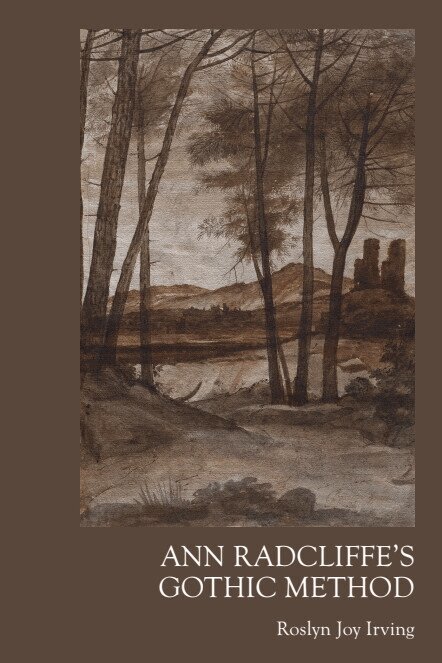
Inbunden, Engelska, 2027
Ann Radcliffe's Gothic Method
1343 kr
Kommande
Beskrivning
This book sketches the methodological and experimental qualities of Ann Radcliffe’s works, considering the use of history, fragmentation, generic slippage and narrative construction across her oeuvre. It provides a new reading of Radcliffe’s works, encompassing novels, travel writing and verse, in the light of historical philosophies around ‘presence’ and previously unstudied archival material. The book places her writings in fruitful dialogue with archival material that not only gives those works a sense of their late eighteenth-century context but also reveals the ways in which Radcliffe incorporated the concerns of her times, offering a broader reflection on what it means to write history. It draws parallels between the works of Radcliffe and significant late eighteenth- and early nineteenth-century writers, from Samuel Taylor Coleridge to Edmund Burke, Mary Wollstonecraft and Joanna Baillie, showing Radcliffe’s transformative influence on late-eighteenth century literary tastes.
Produktinformation
- Utgivningsdatum: 2027-04-30
- Mått: 156 x 234 x undefined mm
- Format: Inbunden
- Språk: Engelska
- Antal sidor: 272
- Förlag: Edinburgh University Press
- ISBN: 9781399565981
Utforska kategorier
Betyg & recensioner
0 recensioner
Inga recensioner tillgängliga.