• Fri frakt över 249 kr
  • •
  • Snabba leveranser
  • •
  • Billiga böcker
Kundservice

Du är på sajten för privatpersoner.

Företag, bibliotek eller offentlig verksamhet?

Du handlar på classic.bokus.com, där alla dina funktioner finns intakta.
Till classic.bokus.com
Bokus logotyp. Gå till startsidan.
  • Erbjudanden
  • Nyheter
  • Student
  • Topplistor
  • Barn & ungdom
  • Bokus Play
  • E-böcker
  • Pocketböcker
  • Spel & pussel

10% rabatt på allt med kod NYSTART10 →

Sidfot

Mina sidor

    Hjälp

    • Kundservice
    • Vanliga frågor och svar
    • Frakt och leverans
    • Retur vid ångerrätt
    • Reklamera vara
    • Betalning
    • Köpvillkor
    • Allmänna villkor
    • Information om webbplatsens tillgänglighet

    Om Bokus

    • Om oss
    • Pressrum
    • För studenter
    • För företag
    • För bibliotek och offentlig verksamhet
    • För leverantörer
    • Hållbarhet

    Populärt

    • Aktuella erbjudanden
    • Presentkort
    • Studentlitteratur
    • Nya böcker
    • Topplistor
    • Signerade böcker
    • Engelska böcker

    Inspiration

    • Boktips
    • BookTok
    • Populära bokserier
    • Barnbokskaraktärer
    • Populära författare
    Logotyp för Bokus
    Följ oss på Facebook (extern länk)Följ oss på Instagram (extern länk)Följ oss på YouTube (extern länk)Följ oss på TikTok (extern länk)
    bokus @ CookiesAnpassa cookiesIntegritetspolicyKöpvillkor
    Till Citymail hemsida (extern länk)Till Budbee hemsida (extern länk)Till Postnord hemsida (extern länk)Till Schenker hemsida (extern länk)Till Early Bird hemsida (extern länk)Till Walleys hemsida (extern länk)
    1. Psykologi och pedagogik
    2. Pedagogik

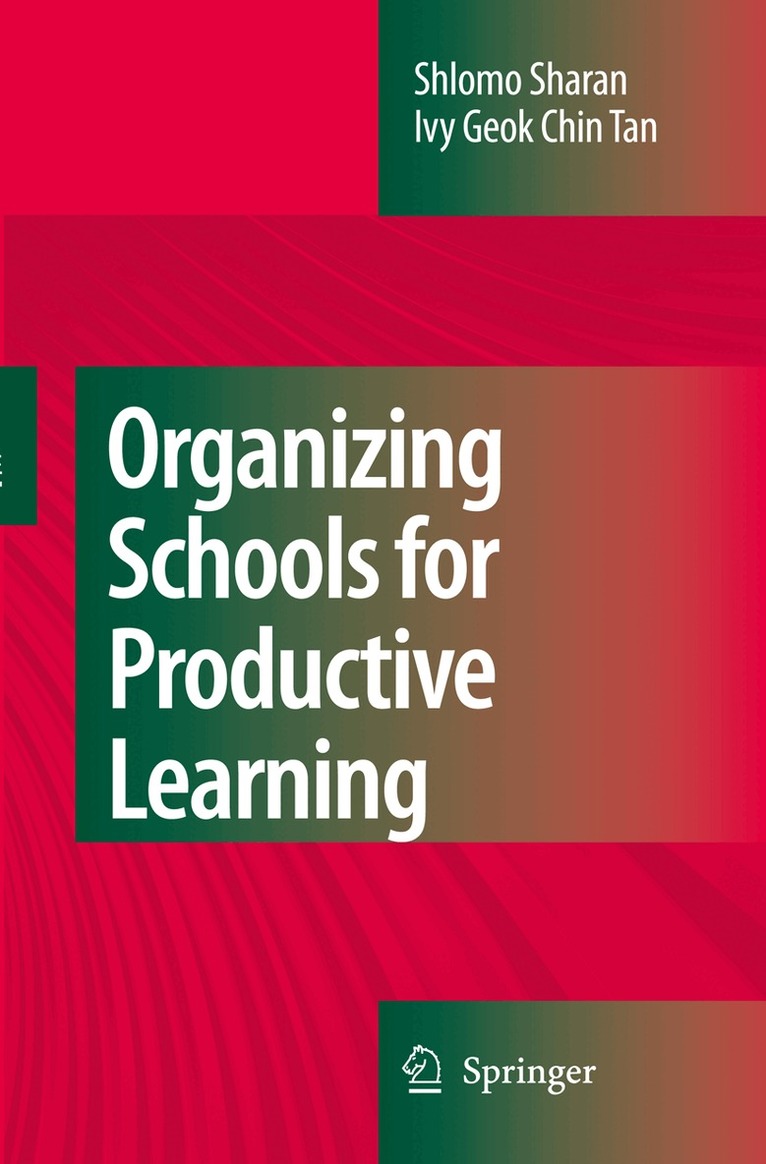
    Organizing Schools for Productive Learning

    AvShlomo Sharan,Ivy Geok Chin Tan

    Inbunden, Engelska, 2008

    530 kr

    Beställningsvara. Skickas inom 10-15 vardagar. Fri frakt över 249 kr.

    Fler format och utgåvor

    Häftad

    530 kr

    Beskrivning

    A major problem confronting schools is that many students are turned off from learning and are bored. Boredom is destructive of learning. The No Child Left Behind (NCLB) initiative of the US government (2001) stemmed from the claim – accompanied by sharp debates pro and con – that many schools in the United States fail to achieve basic educational objectives, and that many schools are doing a poor job for a wide variety of reasons and surely not just because of student boredom (Brigham, Gustashaw, Wiley, & Brigham, 2004; Essex, 2006; Goodman, Shannon, Goodman, & Rapoport, 2004; Sunderman, Tracey Jr. , Kim, & Orfield, 2004). The model of school organization and instruction presented here seeks to provide an effective plan for significant improvement in secondary school education, one of whose central aims is to make students genuinely engaged in what they are learning. The NCLB legislation emphasizes, inter alia, the need for school improvement. Without it one cannot reasonably anticipate improvement over current levels in student engagement in learning and in academic achievement. The NCLB literature frequently employs the term “school improvement” to refer to the quality of the teachers, such as their academic credentials, instructional competence, and their knowledge of subject matter. Similarly, “school restructuring” is said to include steps such as transforming the school into a charter school, replacing the teaching staff, or inviting a private company to administer the school. The use of those terms in this work is distinctly different.

    Produktinformation

    • Utgivningsdatum:2008-07-14
    • Mått:155 x 235 x 13 mm
    • Vikt:366 g
    • Format:Inbunden
    • Språk:Engelska
    • Antal sidor:112
    • Upplaga:2008
    • Förlag:Springer-Verlag New York Inc.
    • ISBN:9781402083945

    Utforska kategorier

    • Pedagogik inom Psykologi och pedagogik

    Innehållsförteckning

    • Two Models of School Structure.- The School as a Community; The School in the Community.- Student Engagement in Learning.- Class Size and School Size.- The Integrated Curriculum.- Duration of Class Sessions and the Problem of Teaching Method.- Student Assessment.- A Systems Approach to Organization and Instruction in Schools.